
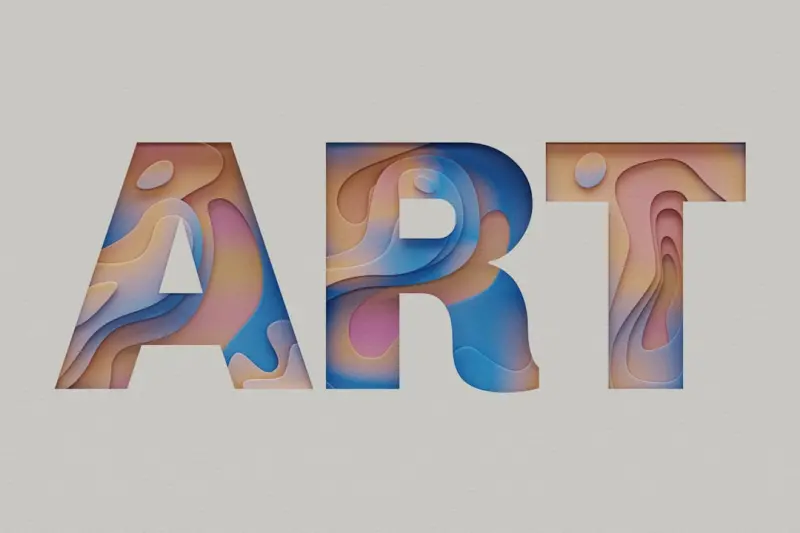
Why AI‑Generated Art Is a Legal Frontier
Artificial intelligence is no longer a niche curiosity; it is reshaping how visual content is conceived, iterated, and distributed across the globe. As a practitioner who has watched the evolution of intellectual property law from the ground up, I see a clash between traditional copyright doctrines and the novel realities of machine‑crafted works, creating a gray zone that courts have yet to fully illuminate. This emerging tension demands that creators, investors, and legal teams rethink ownership models before the next wave of litigation sets costly precedents.
Understanding Copyright Basics in the Age of Machines
At its core, copyright protects original works of authorship fixed in a tangible medium, granting the creator exclusive rights to reproduce, distribute, and display the work. However, the statute historically presumes a human author, a premise that AI‑driven generators—like text‑to‑image platforms—challenge by blurring the line between tool and co‑creator. For anyone navigating this terrain, the crucial question becomes whether the human who prompts the algorithm or the algorithm itself can lay claim to the resulting artwork.
Who Owns the Prompt? The Human‑Machine Collaboration Dilemma
The prompt is the seed from which AI cultivates a visual masterpiece, and courts are beginning to view it as a pivotal factor in determining authorship. In my experience, the more specificity and creative input embedded in the prompt, the stronger the argument that the human operator is the true author, especially when the output reflects a distinctive artistic vision. Conversely, generic or purely functional prompts may tip the balance toward the platform’s terms of service, which often assert ownership or broad licensing rights over the generated images.
Platform Agreements: The Fine Print That Can Strip Your Rights
Most AI art services hide crucial licensing clauses within sprawling terms of use, stipulating that users grant the provider a perpetual, royalty‑free license to any content produced on the platform. While many creators skim these sections, the reality is that such agreements can silently transfer valuable rights to a third party, leaving the original artist with little recourse. It is essential to read these contracts carefully, negotiate where possible, and consider using platforms that explicitly acknowledge human authorship.
Defending Your Work: Enforcement Strategies for AI‑Generated Creations
When infringement strikes—whether through unauthorized replication on social media or misuse in commercial campaigns—prompt, decisive action is vital to preserve your legal standing. Drafting cease‑and‑desist letters that reference both copyright law and the specific terms of the AI service can create a compelling argument that the infringer is violating your exclusive rights. In more complex cases, filing a DMCA takedown request alongside a well‑crafted declaration of authorship can accelerate removal while signaling seriousness to potential violators.
Licensing Models Tailored for AI‑Crafted Works
Traditional licensing frameworks—such as exclusive, non‑exclusive, and royalty‑based agreements—remain applicable, but they require adaptation to address the nuances of AI generation. For instance, offering a limited‑scope license that restricts downstream modifications can safeguard the integrity of your original prompt while still monetizing the image. Additionally, employing blockchain‑based smart contracts can automate royalty distribution, ensuring transparent and enforceable compensation whenever the AI‑created artwork is used.
International Perspectives: Navigating a Patchwork of Rules
Copyright protection varies dramatically across jurisdictions, and the United States, European Union, and emerging markets each take a different stance on AI authorship. The EU’s recent proposals hint at a possible “computer‑generated work” category, which could grant rights directly to the software developer or the user, while the U.S. still leans on the human‑author requirement. Understanding these distinctions is crucial for creators who market globally, as a work deemed public domain in one country may be fully protected in another.
Practical Steps for Startups and Creators
First, conduct an internal audit of every AI tool in use, documenting prompts, output dates, and the corresponding platform agreements. Second, establish a clear policy that designates a human author for each piece, ideally through written statements that can be produced in court. Third, integrate robust IP clauses into any partnership contracts, referencing resources like Zero‑Click SEO to illustrate how digital assets can be protected through strategic licensing. Finally, stay informed by following evolving case law and engaging with the broader community of creators grappling with similar challenges.
The Road Ahead: Anticipating Legal Developments and Opportunities
As legislative bodies worldwide grapple with the implications of AI, we can expect new statutes that explicitly address machine‑generated content, potentially redefining the very concept of authorship. In the meantime, innovators who proactively adapt their IP strategies will not only shield their creations but also position themselves as thought leaders in a rapidly shifting legal landscape. By marrying creative vision with diligent legal foresight, today’s artists can transform the uncertainty surrounding AI‑generated art into a competitive advantage.

I am Madden Persons, a content writer and digital influencer dedicated to crafting impactful stories and building authentic online connections. With a strategic approach to content creation, I develop engaging articles, digital campaigns, and social media narratives that help brands elevate their online presence and connect meaningfully with their target audiences.
Passionate about modern digital trends and audience engagement, I specialize in translating complex ideas into compelling content that sparks conversation, drives results, and strengthens brand identity.
Related Posts
Trade Secrets in the Remote Work Era: Guarding Innovation When Teams Are Distributed
A deep dive into modern trade secret protection for remote workforces, covering inventory mapping, t... Read More
The Hidden IP Playbook Every SaaS Founder Needs
A deep dive into the often‑overlooked intellectual property pillars that SaaS companies need, offe... Read More

Guarding Your Company’s Intellectual Property in a Remote‑First World
Remote work reshapes IP risk. This guide outlines actionable strategies—zero‑trust security, upd... Read More
Top Posts
Navigating Co‑Parenting Apps, Data Rights, and Cybersecurity After Divorce
Divorce isn’t just about splitting assets; it’s also about managing shared digital spaces. This guide offers practical steps, legal insights, and future‑r...Read More
When Custody Battles Meet Modern Tech: A Parent’s Playbook
Explore the digital transformation of child custody, with expert insights on social media evidence, virtual parenting plans, and actionable strategies for moder...Read More
Navigating Family Law in 2026: Tech, Empathy, and the New Legal Narrative
Discover the 2026 family law landscape where tech tools meet human narratives, helping families navigate divorce, custody, and mediation with empathy and effici...Read More

Unmasking Hidden Income: How Financial Forensics Reshapes Modern Divorce
Divorce today often hides income in gig work, crypto, and subscriptions. This post explains how financial forensics uncovers those hidden streams, guides discov...Read More
0 Comments
Post Comment
You will need to Login or Register to comment on this post!