
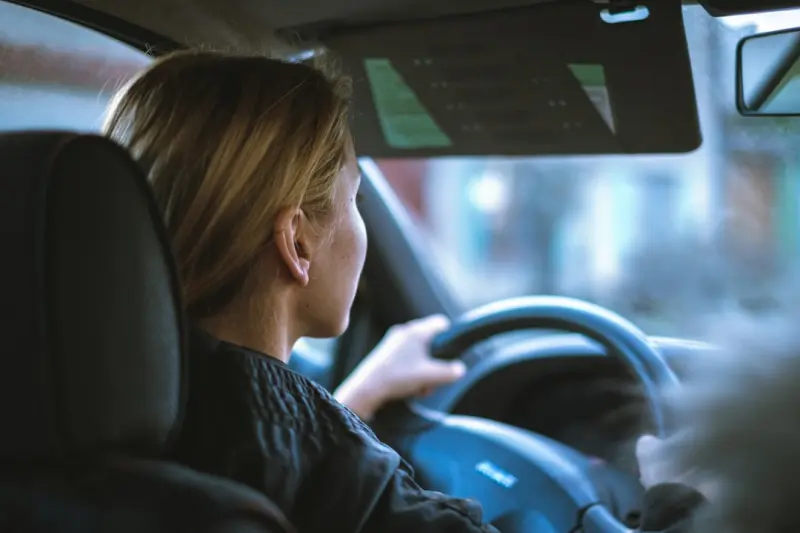
Why the Breathalyzer Is No Longer Enough
For decades the breathalyzer has been the poster child of impaired‑driving enforcement. A quick puff of air, a needle that swings, and the driver is either cleared or hauled off to the precinct. Simple, familiar, and brutally binary. But today’s road safety landscape is anything but binary.
New research shows that impairment isn’t just a matter of alcohol concentration. Prescription painkillers, over‑the‑counter sleep aids, cannabis edibles, and even certain “energy‑boost” supplements can dull reaction times, blur vision, and compromise judgment—often without ever tripping a traditional breath test. Meanwhile, the proliferation of ride‑hailing, car‑sharing, and on‑demand delivery fleets means that a single vehicle can be handed off from one driver to another dozens of times a day, each with their own cocktail of substances.
In this climate, the industry must move beyond the breathalyzer and adopt a holistic, data‑driven approach that anticipates impairment before it manifests on the road.
The Rise of Impairment‑Aware Telematics
Telematics—devices that monitor vehicle speed, acceleration, braking patterns, and location—have long been the secret sauce behind usage‑based insurance. Today, the next generation of telematics is being equipped with impairment‑aware algorithms that spot the subtle signs of a compromised driver.
- Micro‑steering adjustments: A sober driver maintains a steady lane position. An impaired driver’s hand may drift, causing frequent micro‑corrections.
- Brake latency: The time between a sudden obstacle detection and brake application lengthens under the influence of sedatives.
- Speed variance: Erratic acceleration and deceleration spikes can indicate a dulled sense of speed.
When these patterns cross a predefined threshold, the system can issue a real‑time alert to the driver’s smartphone, suggest a short rest, or even trigger an automatic safe‑stop maneuver.
Fleet operators are already piloting these systems. A leading delivery company reported a 23% reduction in crash‑related claims after integrating an impairment‑aware telematics platform across its urban fleet. The technology isn’t a silver bullet, but it provides a safety net where traditional testing falls short.
Biometric Sensors: From the Dashboard to the Wrist
Some innovators are taking the concept a step further by embedding biometric sensors directly into the driver’s environment. Imagine a steering wheel that can read heart rate variability, skin conductance, or even pupil dilation—all without a single invasive probe.
These metrics are powerful because they correlate strongly with the physiological effects of many substances. For example, opioids often depress heart rate, while stimulants elevate it. By establishing a baseline for each driver and continuously monitoring deviations, the system can flag potential impairment in near real time.
Critics worry about privacy, but developers are building the technology with privacy‑by‑design principles: data is processed locally on the vehicle, encrypted, and only transmitted when an abnormal pattern is detected. This approach respects driver autonomy while still delivering a safety benefit.
Policy Shifts: From Punitive to Preventive
Legislation is slowly catching up to these technological advances. Several jurisdictions have introduced “impairment‑aware” statutes that protect drivers who use certified telematics alerts to avoid operating a vehicle while impaired. In practice, this means a driver who receives an alert and chooses to stop the vehicle can avoid a criminal charge, provided they follow the prescribed safety protocol.
These laws recognize that the goal isn’t to punish, but to prevent. By incentivizing drivers to heed real‑time warnings, the legal framework aligns with the technology’s preventive intent.
Corporate Responsibility in a Flexible‑Work Landscape
As more employees work on flexible schedules, the lines between personal and professional driving blur. A delivery driver might log in for a night shift, take a short break, and then run personal errands in the same vehicle. The risk of impairment is amplified when the driver’s home environment—where prescription meds or recreational substances are consumed—intersects directly with work duties.
Forward‑thinking companies are responding by embedding impairment awareness into their flexible‑work landscape policies. Instead of a blanket “no substance use” clause, they’re adopting a graduated approach:
- Education: Regular webinars on the effects of common medications and substances on driving.
- Self‑assessment tools: Mobile apps that let drivers self‑evaluate their fitness to drive before clocking in.
- Technology integration: Equipping company vehicles with the latest impairment‑aware telematics and biometric alerts.
This triad not only reduces risk but also fosters a culture of transparency and trust—key ingredients for retaining talent in the gig‑driven economy.
The Human Factor: Changing Attitudes Toward Impairment
Technology can only go so far if the underlying cultural attitudes remain unchanged. Surveys show that many drivers still view a single drink as “harmless” or consider prescription painkillers “just a medication” with no impact on driving ability.
Public health campaigns are pivoting from the old “Don’t Drink and Drive” slogan to a broader “Know Your State” message. The focus is now on self‑awareness: encouraging drivers to assess how they feel, regardless of the substance involved.
Social media platforms, traditionally a conduit for celebrity endorsements of “party culture,” are being co‑opted by safety advocates who share real‑life stories of near‑misses caused by unexpected impairment. These narratives resonate more than statistics, making the risk feel personal and immediate.
Insurance Evolution: From Reactive to Proactive
Insurance carriers are also rethinking their models. Historically, insurers have relied on claims data to adjust premiums. With impairment‑aware telematics, insurers can now reward drivers for proactive safety behavior.
For instance, a driver who consistently follows telematics alerts and avoids high‑risk periods (like late‑night deliveries after a prescription refill) may qualify for a “behavioral discount.” Conversely, repeated alerts without corrective action could trigger a premium increase or a mandatory driver‑training program.
One forward‑looking insurer recently published a white paper on the future of vehicle safety and outlined a roadmap for integrating these data streams into underwriting. While the paper references autonomous vehicle tech, the core principles—real‑time data, risk mitigation, and dynamic pricing—apply equally to human‑driven fleets.
Future Outlook: A Multi‑Layered Defense
In the coming years, the fight against impaired driving will likely involve a layered defense:
- Sensor Fusion: Combining vehicle telemetry, biometric data, and even ambient environmental sensors (e.g., air quality) to create a comprehensive impairment profile.
- Predictive Analytics: Using historical patterns to forecast high‑risk periods for individual drivers, prompting pre‑emptive interventions.
- Regulatory Alignment: Harmonizing state and federal guidelines to create consistent standards for impairment‑aware technologies.
- Community Engagement: Partnering with local organizations to spread awareness and build a culture of shared responsibility.
When these elements converge, the breathalyzer will become just one tool in a much larger toolbox—an artifact of a bygone era, remembered more for its historical significance than its current efficacy.
Conclusion: Embrace the Data, Not the Stigma
The road ahead isn’t about demonizing drivers who have a prescription or who enjoy a glass of wine with dinner. It’s about recognizing that impairment is a spectrum, often invisible to the naked eye, and leveraging technology, policy, and culture to keep everyone safe.
By integrating impairment‑aware telematics, biometric sensors, and progressive workplace policies, we can transform impaired driving from a reactive legal issue into a proactive safety discipline. The breathalyzer will still have its place—perhaps as a backup in high‑stakes scenarios—but the future belongs to continuous, intelligent monitoring that respects privacy while prioritizing lives.

Steven McClurry is a freelance writer. He loves to write controversial topics and on a wide rang of topics. When is not online he is hanging out at his college campus or playing online games.
Related Posts
Beyond Breathalyzers: Wearable Tech’s Role in Stopping Impaired Driving
A deep dive into how wearable sensors, vehicle integration, and smart nudges can anticipate and stop... Read More

When Sensors Talk: AI‑Driven Real‑Time Impaired Driving Prevention for Modern Fleets
A deep dive into AI‑powered, real‑time impaired driving detection that leverages vehicle sensors... Read More
Seeing Beyond the Wheel: Rethinking Impaired Driving in the Gig Economy
A deep dive into how telemetry, wearables, embedded insurance, and driver representation can transfo... Read More
Top Posts

Deepfake Deception: The New Frontier of Criminal Evidence
A deep dive into the emerging threats of AI‑generated fake media, its impact on criminal investigations, and the legal tools needed to keep the justice system...Read More

The Hidden Legal Minefield of Telehealth: What Providers Must Know
Telehealth’s rapid growth has outpaced traditional legal safeguards. This article breaks down the emerging liability issues—from virtual‑care standards an...Read More

Telehealth Malpractice: Navigating the New Frontiers of Medical Law
A deep dive into the evolving legal landscape of telemedicine, covering liability, licensing, consent, privacy, and actionable guidance for providers....Read More

Algorithmic Scheduling, Worker Rights, and the New Labour Law Frontiers
A deep dive into algorithmic scheduling, its legal blind spots, emerging case law, and actionable strategies for workers and employers to ensure fair, transpare...Read More
0 Comments
Post Comment
You will need to Login or Register to comment on this post!