
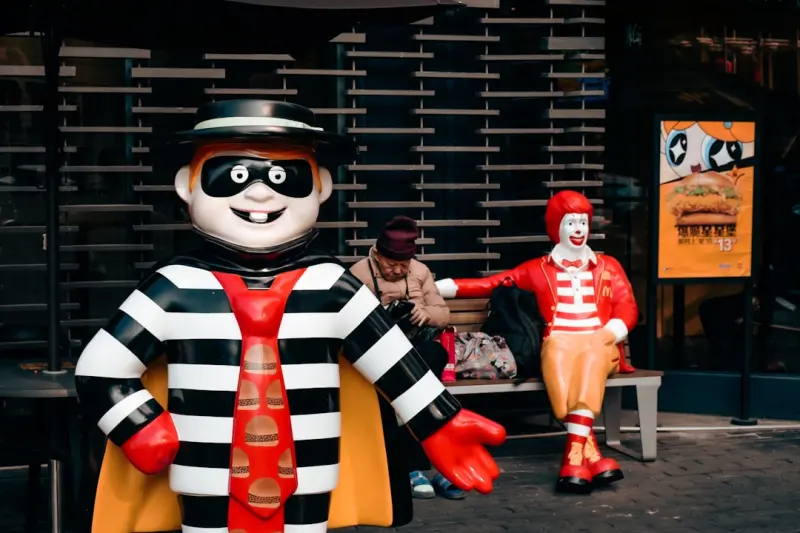
Why Brand Mascots Need More Than Just a Logo
When a company rolls out a charismatic character—think a dancing soda bottle or a witty animal sidekick—the immediate goal is to boost brand recall, but the long‑term ambition is to lock that personality into a defensible legal shield. Trademark law provides the framework, yet many businesses treat mascots as mere marketing fluff, overlooking the rigorous filing standards that separate a protected mark from a generic illustration. In practice, the moment a mascot appears on a billboard, a t‑shirt, or a TikTok clip, it becomes a potential target for copycats, domain squatters, and even parody lawsuits that can erode the brand’s distinctiveness. Understanding the nuanced requirements for distinctiveness, proper usage, and diligent monitoring can transform a friendly face into a formidable asset that endures market fluctuations and competitive pressure.
The Distinctiveness Spectrum: From Descriptive to Arbitrary
Trademark eligibility hinges on a mascot’s position on the distinctiveness spectrum—an often misunderstood hierarchy that ranges from merely descriptive to wholly arbitrary. A mascot that merely describes a product, such as a “leaf” for a natural detergent, may struggle to secure registration without secondary meaning evidence, whereas a fanciful creature like a “hyper‑energetic robot rabbit” instantly leans toward the arbitrary end, demanding less proof of consumer association. The key is to craft a character that does not simply illustrate the goods but creates a unique mental shortcut in consumers’ minds. By embedding unexpected colors, stylized features, and a back‑story that resonates emotionally, marketers can push the mascot toward the strong end of the spectrum, thereby streamlining the registration process and fortifying enforcement capabilities.
Crafting a Comprehensive Trademark Portfolio
Most companies treat a mascot as a single trademark, but savvy brand strategists view it as a portfolio of related marks—logo, name, slogan, and even sound bites. Registering each element across relevant classes—goods, services, and digital platforms—creates a layered defense that thwarts infringement on multiple fronts. For instance, a mascot’s visual design might fall under Class 25 for apparel, while its catchphrase belongs in Class 41 for entertainment services. Overlooking any class can leave gaps that competitors exploit, especially in the fast‑moving e‑commerce arena where a mascot may appear on everything from packaging to mobile app icons. A holistic approach also eases future expansions into new product lines, ensuring that the brand can seamlessly extend the mascot’s protection without costly re‑filings.
International Considerations: Mascot Protection Beyond Borders
In today’s global marketplace, a mascot that thrives on a domestic campaign can quickly become an international ambassador, making cross‑border trademark strategy essential. While the Madrid System streamlines filings across member countries, each jurisdiction maintains its own standards for distinctiveness, use‑in‑commerce, and permissible descriptiveness. A mascot that passes the U.S. threshold may encounter resistance in regions where animal depictions are considered generic for certain industries. Conducting a thorough clearance search—often facilitated by specialized IP counsel—identifies potential conflicts with existing local mascots or cultural symbols that could trigger opposition. Moreover, aligning the mascot’s visual and linguistic elements with local sensibilities reduces the risk of inadvertent offense, which can translate into costly re‑branding efforts.
Enforcement Tactics: From Cease‑And‑Desist to Digital Monitoring
Securing registration is only half the battle; active enforcement ensures the mascot retains its protective edge. Traditional cease‑and‑desist letters remain a staple, yet modern brands must augment them with automated monitoring tools that scour social media, e‑commerce sites, and app stores for infringing uses. When a rival adopts a look‑alike character, swift action—combined with documented evidence of consumer confusion—strengthens the brand’s position in any subsequent litigation. Additionally, leveraging the protecting trade secrets remotely mindset can be adapted to IP, employing secure internal guidelines that prevent unauthorized sharing of mascot assets with third‑party vendors. A disciplined enforcement regime not only deters copycats but also signals to the market that the mascot is a serious, legally backed asset.
Licensing Opportunities: Monetizing the Mascot Without Dilution
Once a mascot is fortified, it can become a revenue stream through strategic licensing agreements that allow third parties to use the character under strict quality controls. However, licensing carries the inherent risk of brand dilution if the mascot appears on low‑quality or incongruent products. Drafting robust licensing contracts—detailing permissible uses, geographic limits, quality standards, and audit rights—mitigates these risks while unlocking new markets such as merchandise, video games, and experiential events. Importantly, each licensed iteration should be recorded in the trademark register as a “use” to reinforce the mark’s continued commercial presence, a nuance that often escapes companies focused solely on direct sales.
Leveraging AI‑Generated Variations Without Losing Rights
The rise of generative AI tools enables designers to rapidly spin out mascot variations, from seasonal costumes to animated GIFs. While these tools accelerate creative output, they also raise questions about authorship and the scope of protection. Brands must ensure that AI‑generated iterations are still rooted in the original, registrable design, and that any new elements introduced do not inadvertently create a derivative work that falls outside the original trademark claim. Consulting resources like copyright challenges with AI-generated content can clarify how to maintain clear ownership lines, preserving the mascot’s legal integrity while enjoying the creative flexibility AI offers.
Future‑Proofing: Adapting Mascot Strategy for Emerging Platforms
As augmented reality (AR), virtual reality (VR), and the metaverse continue to blur the line between physical and digital experiences, mascots are evolving from static images to interactive avatars that guide users through immersive environments. Anticipating these shifts requires proactive filing of trademarks for the mascot’s 3D models, motion capture data, and even its synthetic voice. Moreover, brands should consider trademarking the mascot’s unique interaction patterns—such as a signature dance move or gesture—that may become distinctive identifiers in a virtual context. By extending protection to these emerging expression forms now, companies avoid the costly scramble to retroactively secure rights once the technology becomes mainstream, ensuring their beloved characters remain both beloved and legally shielded.

Kris M. Chen is a dedicated legal paralegal based in Texas, specializing in delivering comprehensive case management and litigation support. Known for a meticulous approach to legal research and document preparation, Kris plays a vital role in navigating complex legal workflows and ensuring seamless trial preparation.
Related Posts
Who Owns the Machine? Copyright in the Age of Generative AI
Generative AI is redefining creativity, raising fresh copyright questions about originality, authors... Read More

Protecting AI Creations: A New Playbook for Intellectual Property
Discover how AI reshapes patents, copyrights, and trademarks, and get actionable advice for protecti... Read More

The Silent Threat: Trade Secret Leakage in Hybrid Workspaces
Hybrid work expands collaboration but also widens the attack surface for trade secret theft. This po... Read More
Top Posts

Biometric Surveillance and Privacy Law: What SaaS Must Know
Biometric data—from fingerprints to heart‑rate monitors—poses unique legal challenges. This article breaks down the evolving privacy regulations, workplac...Read More

Chasing Shadows: Criminal Law Tackles Dark Web Drug Markets
This article examines the challenges prosecutors face against dark‑web drug markets, highlighting undercover operations, blockchain forensics, legislative gap...Read More

Digital Parenting: Mastering Child Custody in the Modern Age
A modern guide to child custody, highlighting digital tools, legal shifts, and practical steps for parents navigating the tech‑driven family landscape....Read More
Love, Ledger, and Legal Loopholes: Modern Marriage Law Redefined
A deep dive into how digital assets, global mobility, and AI tools are transforming marriage law, offering practical guidance for couples navigating these new l...Read More
0 Comments
Post Comment
You will need to Login or Register to comment on this post!