
Charging the Grid: The Uncharted Legal Terrain of Vehicle‑to‑Grid Energy Trading
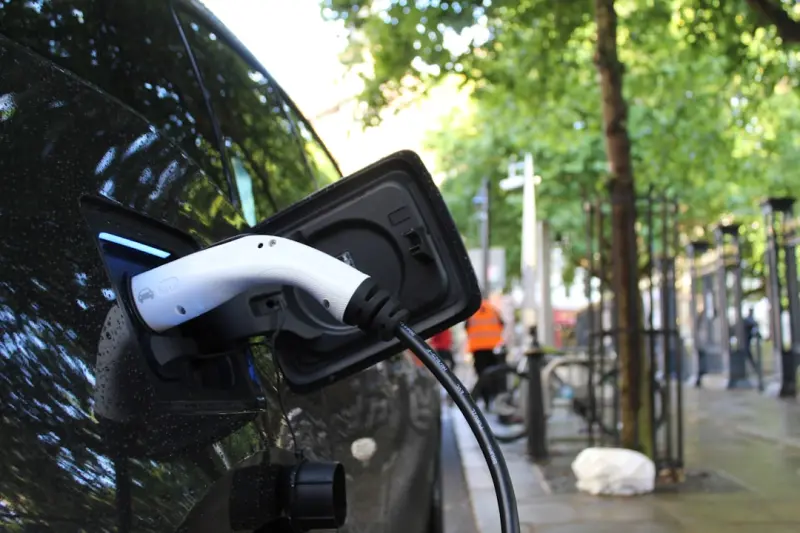
When I first stepped into the world of automotive law, the conversation revolved around crash liability, emissions standards, and the occasional recall nightmare. Fast forward a few years, and the industry is buzzing about a concept that would have seemed like science fiction not long ago: Vehicle‑to‑Grid (V2G) technology. Imagine your electric vehicle (EV) not just as a mode of transport, but as a mobile battery that can feed electricity back into the power grid, earn you credits, and even help stabilize the grid during peak demand. The promise is dazzling, but the legal framework is still sketching its first lines.
Why V2G Is More Than Just a Tech Trend
At its core, V2G transforms the traditional consumer‑producer relationship. An EV owner becomes both a driver and a small‑scale energy provider. This shift introduces three interlocking legal dimensions:
- Energy Regulation – Utilities and state commissions have long governed who can generate, sell, or store electricity. V2G forces regulators to reconsider whether a privately‑owned car qualifies as a “generator.”
- Contractual Obligations – The agreements you sign with your automaker, your utility, and your financing institution now need to address how much energy you can feed back, at what price, and under what conditions.
- Data Privacy & Cybersecurity – Every kilowatt hour transferred is logged, monitored, and often transmitted over the internet. That data is a goldmine for utilities, insurers, and, unfortunately, malicious actors.
Each of these strands is still being woven into the fabric of existing statutes, and the gaps are where risk—and opportunity—lie.
Energy Regulation: Who Owns the Battery?
Most state public utility commissions (PUCs) define “generator” as a facility that produces electricity on a scale larger than a typical residential solar array. A V2G‑enabled EV, however, can feed back anywhere from a few kilowatt‑hours to several megawatt‑hours over a year, depending on usage patterns. The question becomes: Should a single‑owner vehicle be treated like a commercial power plant?
Currently, a handful of pilot programs in California, New York, and Denmark have been granted limited waivers, allowing participants to sell energy back to the grid. Those waivers often hinge on specific regulatory updates that address software‑controlled charging schedules. But there is no nationwide standard, and the patchwork approach creates uncertainty for manufacturers and owners alike.
From a legal standpoint, there are three immediate concerns:
- Licensing Requirements – If your EV is deemed a generator, you may need to apply for a generation license, complete interconnection studies, and even meet environmental impact reporting standards.
- Net‑Metering Policies – Traditional net‑metering rules were designed for rooftop solar. Applying them to V2G could lead to double‑counting of credits or unintended subsidies.
- Grid Interconnection Standards – The National Electric Code (NEC) and IEEE standards are evolving to accommodate bidirectional flow, but they remain silent on the specifics of mobile storage.
Contractual Labyrinth: The New Fine Print
When you bought your EV, the purchase agreement likely mentioned “software updates” and “battery warranty.” Now, it must also cover:
- Energy Sale Agreements – How much you’ll be paid per kilowatt‑hour, the pricing formula (fixed, market‑based, or a blended rate), and the billing cycle.
- Performance Guarantees – Guarantees that the battery will retain a minimum capacity after a certain number of discharge cycles, which directly impacts your revenue stream.
- Force‑Majeure Clauses – Traditional clauses cover natural disasters and strikes, but now they must also consider grid outages, cyber‑attacks, or regulatory changes that could halt energy export.
In practice, many owners find themselves caught between three parties:
- The automaker, who controls the battery management system (BMS) and may limit export capability for warranty reasons.
- The utility, which dictates the terms of interconnection and the price paid for exported energy.
- The financier, whose loan agreements might restrict the vehicle’s use to “primary transportation” and view energy trading as a secondary activity that could affect the vehicle’s residual value.
Negotiating these contracts without specialized counsel is akin to stepping onto a racetrack blindfolded. One misstep—such as a vague clause about “reasonable usage”—can open the door to disputes over whether you violated the warranty by discharging the battery for grid services.
Data Privacy & Cybersecurity: The Invisible Road Hazards
Every V2G transaction generates data points: state of charge, time of discharge, location, and even driver behavior. This data is transmitted via the vehicle’s telematics system to the utility’s demand‑response platform. While the data is essential for grid balancing, it also raises serious privacy concerns.
Under the California Consumer Privacy Act (CCPA) and the emerging European Union’s Data Governance Act, owners have the right to know what data is collected, how it’s used, and to opt out of non‑essential sharing. However, the fine print in many EV software agreements often bundles “essential” and “non‑essential” data together, making it difficult for owners to exercise those rights.
Beyond privacy, there’s the specter of cyber‑attacks. A compromised BMS could allow an attacker to:
- Over‑charge the battery, shortening its lifespan.
- Disrupt grid stability by sending false demand‑response signals.
- Steal energy credits and divert them to unauthorized accounts.
Regulators are beginning to demand robust cybersecurity standards for V2G platforms, but enforcement is still in its infancy. From a legal perspective, manufacturers could face product liability claims if a cyber‑incident leads to a fire or battery failure, while utilities could be sued for negligence if they fail to secure the data pipelines.
The Tax Implications: Energy Credits Meet Digital Assets
One of the most seductive aspects of V2G is the potential for owners to earn tax‑advantaged credits. In several jurisdictions, energy exported to the grid qualifies for Renewable Energy Credits (RECs) or similar incentives. However, the IRS and state tax agencies are still deciding whether these credits are treated as ordinary income, capital gains, or a new category of “digital asset” revenue.
Early guidance suggests that if you receive a direct payment for each kilowatt‑hour, the income is taxable in the year it’s earned. Conversely, if the utility provides a credit that can be applied against future electricity bills, the tax treatment may resemble a rebate, potentially non‑taxable. The ambiguity opens the door for aggressive tax planning—something you’ll see explored in depth in the post on strategic tax planning for digital assets.
Key tax considerations include:
- Depreciation of Battery Assets – If you treat the battery as a revenue‑generating asset, you may be able to depreciate its value over its useful life, reducing taxable income.
- State Incentives – Some states offer additional rebates for “vehicle‑to‑grid” participation, which may be subject to different tax rules than federal RECs.
- Reporting Requirements – The emerging “Form 1099‑K” for energy transactions could require detailed reporting of each export event, creating a compliance burden.
Insurance Implications: A New Kind of Coverage
Traditional auto insurers focus on collision, liability, and comprehensive coverage. V2G adds layers of risk that standard policies may not address:
- Battery Wear & Tear – Frequent discharge cycles accelerate battery degradation, potentially leading to premature failure. Some manufacturers now offer “battery health warranties” that may conflict with insurance claims.
- Third‑Party Energy Liability – If a V2G discharge causes a grid outage that leads to property damage, who is liable? The vehicle owner, the utility, or the software provider?
- Cyber‑Risk Coverage – As the BMS becomes a gateway for external communication, insurers are beginning to offer cyber‑risk endorsements for connected vehicles.
Until the market standardizes, owners should scrutinize policy language for exclusions related to “energy export,” “battery degradation,” and “cyber‑event.” In many cases, a separate endorsement may be necessary to bridge the coverage gap.
Future Outlook: From Pilot Programs to Mainstream Adoption
We are still in the pilot phase for V2G, but the trajectory is clear:
- Regulatory Convergence – Expect the Federal Energy Regulatory Commission (FERC) to release guidance on mobile storage participation, which will likely harmonize state approaches.
- Standardized Contracts – Industry groups, such as the International Council on Clean Transportation (ICCT), are drafting model agreements to streamline negotiations between automakers, utilities, and owners.
- Technology Integration – Advances in AI‑driven demand response will automate the decision‑making process, but they will also embed more algorithmic control into the vehicle’s software—a reminder that software updates will be the legal flashpoint of tomorrow.
For now, the safest approach is to treat V2G as a “new product” launch. Conduct thorough due‑diligence, engage counsel with expertise in both automotive and energy law, and keep a close eye on emerging regulations. The payoff—both financial and environmental—could be substantial, but only if you navigate the legal terrain with the same precision you’d apply to a high‑performance vehicle on a winding road.
Practical Steps for EV Owners Considering V2G
- Review Your Purchase and Warranty Documents – Look for clauses that limit battery discharge or require manufacturer approval for V2G participation.
- Negotiate a Separate Energy Sale Agreement – Ensure the contract clearly defines pricing, metering, and termination rights.
- Assess Cybersecurity Posture – Verify that the vehicle’s telematics platform complies with industry‑standard encryption and that you have the ability to opt out of data sharing.
- Consult a Tax Advisor – Determine how any earned credits will be reported and whether you can claim depreciation on the battery.
- Update Your Insurance Policy – Add endorsements for battery degradation and cyber‑risk, and confirm coverage for third‑party energy liability.
Vehicle‑to‑Grid is poised to become a cornerstone of a resilient, decarbonized energy future. By understanding the legal underpinnings now, you can position yourself at the forefront of this electrifying evolution.

Related Posts

Driving the Future: Legal Pitfalls of Car Subscription Services
Car subscriptions promise flexibility, but hidden contract clauses and liability gaps can catch driv... Read More

The Rise of Car Subscription Services: Legal Pitfalls and Consumer Protections
Car subscriptions promise flexibility, but hidden fees, liability issues, and privacy concerns can t... Read More

The Shifting Landscape of Automotive Law: Data, Liability, and the Future of Driving
A deep dive into the evolving world of automotive law, covering data‑driven liability, autonomous ... Read More
Top Posts

Untangling Digital Wealth in Divorce: A Modern Guide
Divorce now involves more than homes and cars; digital assets like crypto, NFTs, and SaaS subscriptions require a strategic, tech‑savvy approach. This guide w...Read More

When the Floor Isn’t Flat: New Frontiers in Personal Injury Law
Personal injury law is evolving beyond traditional slip‑and‑fall cases, confronting home‑office ergonomics, autonomous vehicle software glitches, and virt...Read More

Voice‑First Brands: Trademark Strategies for the Sound‑Driven Marketplace
This post explores the rising importance of sound marks for voice‑first platforms, offering practical steps for clearance, registration, monitoring, and enfor...Read More

Remote Patient Monitoring: The Untapped Legal Minefield
Remote Patient Monitoring offers promising health benefits, but it also creates a complex legal landscape. This article examines liability, regulatory, privacy,...Read More
0 Comments
Post Comment
You will need to Login or Register to comment on this post!