

When I first stepped onto a construction site in my twenties, the only thing that felt immutable was the rhythm of the hammer and the unspoken rule that the foreman called the shots. Fast‑forward to today, and the “foreman” might be an algorithm, a smartphone app, or a cloud‑based dispatch system. The gig economy has turned the traditional employer‑employee relationship upside down, and with that inversion comes a pressing question for labour law scholars, policymakers, and the workers themselves: how do we rebuild the power of collective bargaining in a world where the “workplace” is often a digital interface?
Why the Gig Model Challenges Classical Bargaining Structures
The classic collective‑bargaining model rests on three pillars: a clearly defined employer, a stable workforce, and a legal framework that recognizes the union as the workers’ representative. In the platform world, each pillar is either blurred or broken:
- Employer ambiguity. Platforms like RideNow, TaskRabbit, or FoodFlow classify workers as “independent contractors.” That label strips away the statutory obligations that would otherwise bind a traditional employer to negotiate in good faith.
- Workforce fluidity. Gig workers log on for a few hours, a few days, or a few weeks. Turnover rates can exceed 80 % annually, making it difficult to sustain a union’s membership base and dues structure.
- Legal invisibility. Existing labour statutes were drafted before the rise of cloud‑based labour markets. Courts often lean on precedent that treats contractors as autonomous, not as employees entitled to collective representation.
The result? A legal vacuum where workers can’t easily band together, and platforms can sidestep the obligations that come with a conventional employer‑employee relationship.
Emerging Legal Doctrines: From “Joint Employer” to “Platform Worker”
Courts in several jurisdictions are beginning to push back against the contractor‑only narrative. In the United Kingdom, the Supreme Court’s Uber BV v Aslam decision re‑characterised ride‑share drivers as workers—not independent contractors—thereby granting them rights to minimum wage and holiday pay. In the United States, the National Labor Relations Board (NLRB) has opened the door to “joint employer” liability, holding that platforms can be treated as employers for the purposes of collective‑bargaining when they exert substantial control over work conditions.
These doctrinal shifts signal a broader trend: the law is catching up to the reality that platforms are, in many ways, the de‑facto employers. However, doctrinal change alone won’t solve the collective‑bargaining conundrum; we need new organisational models that fit the digital age.
Digital Unions: Harnessing Technology for Organising
One promising development is the rise of “digital unions.” Unlike traditional unions that rely on physical offices and face‑to‑face meetings, digital unions operate primarily through apps, chat groups, and online forums. They can:
- Provide real‑time updates on policy changes affecting gig workers.
- Facilitate rapid voting on collective actions, leveraging blockchain‑based voting systems for transparency.
- Offer portable benefits that follow workers across platforms, sidestepping the need for a single employer to sponsor them.
Platforms such as Unionify and GigLabour already pilot these concepts, allowing workers to aggregate demand for better pay, safer working conditions, and clearer dispute‑resolution pathways. While still nascent, these digital unions demonstrate that collective power need not be tied to a brick‑and‑mortar headquarters.
Co‑operatives as a Counter‑Model to Platform Dominance
Another avenue gaining traction is the worker‑owned cooperative. By flipping the ownership structure, gig workers can collectively own the platform that mediates their labour. This model restores the employer‑employee relationship, but on the workers’ terms.
Take the example of CoopRide, a ride‑sharing co‑op launched in the Pacific Northwest. Drivers own the technology stack, set fare structures democratically, and retain a larger share of each fare. Because the co‑op is a legal entity employing its members, it must comply with traditional labour statutes, including the duty to bargain collectively. This arrangement creates a built‑in feedback loop: the workers who are most directly affected by policy decisions are the ones crafting those policies.
Co‑operatives also sidestep many of the tax and benefits complexities that plague gig platforms. By consolidating payroll, health insurance, and retirement plans under a single entity, co‑ops can achieve economies of scale that individual contractors could never hope to secure.
Legal Strategies for Platform Workers: From Class‑Action to Collective Action
While organising a digital union or launching a co‑op are long‑term solutions, many gig workers need immediate relief. Here are three legal avenues that can be pursued today:
- Class‑action lawsuits. When a platform’s policies systematically violate labour standards—such as misclassifying workers to avoid overtime pay—class‑action litigation can compel change. Recent victories against food‑delivery apps have secured back‑pay for thousands of couriers.
- Collective bargaining through “employee” classification. If a jurisdiction’s courts recognise gig workers as “employees” or “workers,” they can be covered by the National Labor Relations Act (or its equivalents). This opens the door to filing a petition for a union election.
- State‑level legislative advocacy. Several U.S. states have introduced “worker‑status” bills that create a new middle‑ground classification, granting limited benefits and the right to collective bargaining while preserving some contractor flexibility.
Each of these pathways requires a coordinated legal strategy, often blending litigation, public‑policy lobbying, and grassroots organising. The AI surveillance debate illustrates how technology can both empower and endanger workers, underscoring the need for robust legal safeguards.
International Perspectives: Lessons from Europe and Beyond
European nations have been more proactive in redefining gig‑worker rights. Spain’s “Rider Law” mandates that ride‑share drivers receive the same protections as traditional employees, including collective‑bargaining rights. France’s “Loi Travail” reforms require platforms to provide transparent algorithmic criteria for task allocation, a move that indirectly strengthens workers’ negotiating positions.
In Australia, the Fair Work Commission has begun to recognise “platform workers” as a distinct class, granting them access to the Fair Work Act’s bargaining mechanisms. These international experiments suggest that a hybrid model—one that acknowledges the unique nature of platform work while still extending core labour protections—may be the most pragmatic path forward.
Balancing Flexibility with Security: The Role of the “Right to Disconnect”
One of the most compelling arguments for gig‑worker bargaining is the need to protect workers from the blurring of work and personal time. The right to disconnect has emerged as a cornerstone of modern labour discourse, especially for those whose devices ping with job offers at any hour. While the concept originated in traditional office settings, it is equally, if not more, relevant for platform workers who must constantly monitor apps for gigs.
Collective agreements can codify “offline windows,” limit algorithmic push notifications after certain hours, and establish penalties for platforms that breach these standards. By embedding such provisions into bargaining contracts, workers can preserve the flexibility they value without sacrificing personal wellbeing.
Future Outlook: From Reactive Litigation to Proactive Governance
The trajectory of labour law in the gig economy is still being written. If we continue to rely solely on court rulings and ad‑hoc legislation, we risk a patchwork of rights that vary wildly from city to city. What is needed is a proactive governance framework that anticipates technological change and embeds collective‑bargaining mechanisms at the design stage of platforms.
Imagine a future where any new gig‑platform must, as part of its licensing, submit a “collective‑bargaining plan” detailing how workers can organise, vote on conditions, and access portable benefits. Such a requirement would shift the conversation from “Can we regulate after the fact?” to “How do we build fair labour standards into the platform’s DNA?”
Until such systemic reforms materialise, the onus remains on workers, unions, and forward‑thinking policymakers to craft interim solutions—digital unions, cooperatives, strategic litigation, and targeted legislation—that empower gig workers to claim the bargaining power that has long been the hallmark of decent work.
In the end, the story isn’t about abandoning flexibility; it’s about ensuring that flexibility isn’t a euphemism for exploitation. By reimagining collective bargaining for the digital age, we can give platform workers a seat at the table—whether that table is a virtual conference room, a blockchain‑based voting platform, or the boardroom of a worker‑owned co‑op.

Steven McClurry is a freelance writer. He loves to write controversial topics and on a wide rang of topics. When is not online he is hanging out at his college campus or playing online games.
Related Posts

Mental Health Duty of Care: Labour Law’s New Frontier
A deep dive into the expanding duty of care in labour law, highlighting practical steps, legal pitfa... Read More

Under the Microscope: The Legal Ripple of Employee Monitoring Technologies
A deep dive into the legal challenges of modern employee monitoring, offering practical guidance for... Read More
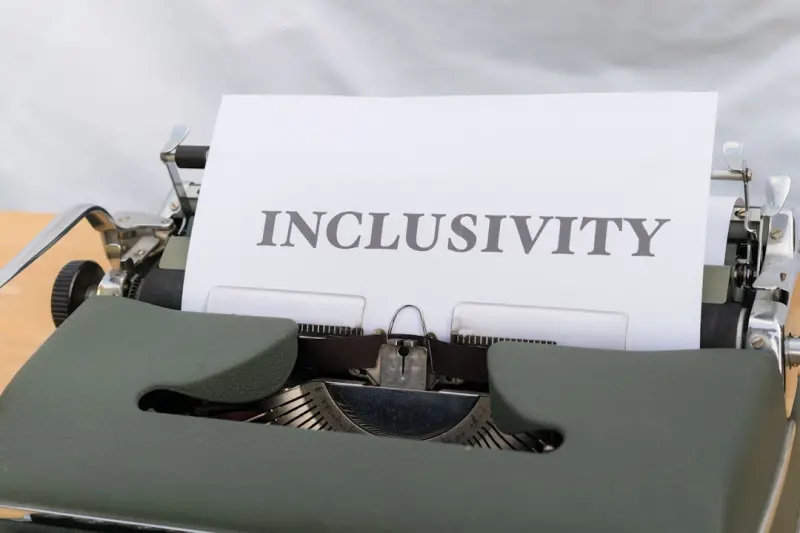
Neurodiversity and Labour Law: Crafting Inclusive Policies for Modern Workforces
A deep dive into the legal obligations and practical steps for supporting neurodiverse talent, turni... Read More
Top Posts

Divorce in 2024: A Fresh Perspective from Kris M. Chen
Kris M. Chen breaks down the modern divorce scene, highlighting new legal trends, financial strategies, and digital tools that empower couples to navigate split...Read More

When Love Meets Ledger: Crafting Prenuptial Agreements for the Digital Age
This article examines the challenges and solutions for couples navigating prenuptial agreements in the age of cryptocurrency, SaaS ownership, and AI‑generated...Read More

Over-the-Air Updates: Redefining Automotive Liability
Over-the-Air updates are transforming cars from static machines into evolving software platforms, prompting new legal challenges around liability, warranties, d...Read More

Tax Strategies for Remote Workers: Navigating the New Frontier of Digital Nomad Tax Law
Learn how remote workers can master tax compliance across states and borders with practical tips, tech tools, and contract strategies to protect earnings....Read More
0 Comments
Post Comment
You will need to Login or Register to comment on this post!