
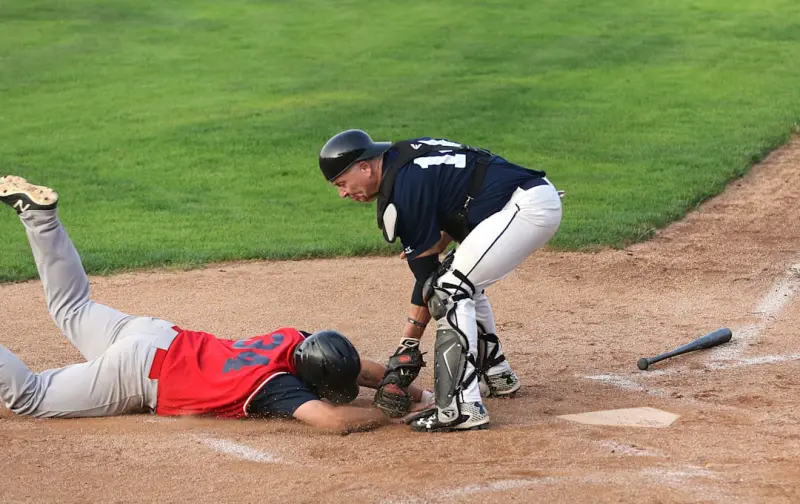
Why Concussions Matter More Than Ever for Amateur Athletes
When I first started practicing personal injury law, most of my cases involved car accidents or slip‑and‑fall incidents. Over the past decade, however, I’ve watched a quiet but powerful shift on the playing fields, courts, and gyms across the country: a surge in concussion claims filed by amateur athletes. From the high‑school football player who can’t remember the last two weeks of school to the weekend warrior who’s now battling chronic headaches, the legal landscape surrounding head injuries has become both more complex and more consequential.
Unlike professional sports, where leagues have massive resources and dedicated medical staff, amateur athletes often navigate injuries without the safety nets they deserve. This creates a unique set of challenges—and opportunities—for anyone looking to protect their rights after a concussion.
Understanding the Medical Basics (So You Don’t Get Lost in Lawyer‑Speak)
A concussion is a type of mild traumatic brain injury (mTBI) caused by a blow or rapid movement of the head. Symptoms can be subtle—dizziness, difficulty concentrating, mood swings, or even a brief loss of consciousness. While many people recover fully within weeks, a significant minority experience post‑concussion syndrome, where symptoms linger for months or become chronic.
From a legal perspective, the key medical concepts are:
- Diagnosed vs. undiagnosed injury: A formal diagnosis from a qualified medical professional (usually a neurologist or sports medicine physician) is essential for any claim.
- Causation: You must prove the concussion occurred during the activity in question and that it was caused by another party’s negligence.
- Prognosis: Long‑term effects can dramatically affect damages, especially when they impact schooling, employment, or future athletic aspirations.
Who Can Be Held Liable? Mapping the Responsibility Web
The first question most clients ask is, “Who’s at fault?” The answer isn’t always a single entity. In the world of amateur sports, liability can fall on one—or more—of the following:
- Schools and educational institutions: Public or private schools that organize sports programs have a duty to provide safe facilities, trained coaches, and appropriate medical supervision.
- Recreational leagues and clubs: Youth soccer clubs, community basketball leagues, and adult “pick‑up” leagues must follow safety protocols and ensure equipment meets standards.
- Coaches and trainers: Negligent coaching—such as ignoring concussion protocols, allowing a player to return too soon, or failing to enforce protective gear requirements—can constitute direct negligence.
- Equipment manufacturers: Faulty helmets, improperly designed padding, or misleading safety claims can lead to product liability claims.
- Parents and guardians: In some jurisdictions, a parent who forces a child to play despite clear medical advice may be deemed contributory, but this is a rare and nuanced situation.
Understanding who holds the legal reins is crucial because it determines where you’ll file the claim, what defenses might arise, and how damages are allocated.
Gathering the Evidence: Your Legal Toolbox
In personal injury law, “the devil is in the details.” For concussion claims, evidence collection is a meticulous process that often extends beyond the typical accident report.
- Medical records: Secure copies of all emergency room notes, imaging studies (CT scans, MRIs), and follow‑up evaluations. A neuropsychological assessment can quantify cognitive deficits and is highly persuasive in court.
- Incident reports: Most schools and leagues require a written report after any injury. Request these documents promptly; they often contain crucial witness statements and the exact circumstances of the incident.
- Video footage: If the game was televised, streamed, or recorded on a phone, the video can visually demonstrate the impact and the lack of immediate medical response.
- Witness testimony: Teammates, coaches, referees, and even spectators can corroborate your version of events, especially regarding the severity of the hit and any ignored protocols.
- Equipment logs: Maintenance records for helmets and protective gear can expose negligence in equipment upkeep or reveal design flaws.
These pieces form a compelling narrative that not only proves liability but also underscores the seriousness of the injury.
The Role of Concussion Protocols—and What Happens When They’re Ignored
Over the past decade, many states have enacted concussion management statutes that require schools and organized sports to follow specific protocols: immediate removal from play, evaluation by a qualified health professional, and a graduated return‑to‑play (RTP) plan. When an institution disregards these rules, it opens the door to negligence claims.
For instance, in Beyond the Breathalyzer: How Biometric Tech Is Redefining Impaired Driving Prevention, we explored how emerging technologies are being used to enforce safety standards. The same biometric tools—like helmet‑embedded accelerometers—are beginning to appear in high‑school football programs, offering real‑time data on head impacts. If a school fails to adopt such technology where it is mandated, that failure can be a powerful piece of evidence in a concussion lawsuit.
Insurance: Who Pays and How Much?
Most amateur sports programs carry liability insurance, typically through the school district or a league’s umbrella policy. However, insurance coverage can be a moving target:
- Policy limits: Some policies cap payouts at relatively low amounts, which may not fully compensate for long‑term neurological treatment.
- Exclusions: Certain policies exclude “sports injuries” unless a specific endorsement is added. Understanding these nuances can dictate whether you pursue a claim against the insurer or directly against the negligent party.
- Subrogation: If you receive workers’ compensation or disability benefits, the insurer may seek reimbursement from any settlement you obtain, affecting the net recovery.
A seasoned attorney will conduct a thorough policy review, negotiate with insurers, and, if necessary, litigate to ensure the claim is not unfairly limited.
Damages: More Than Just Medical Bills
While medical expenses are the most obvious component, concussion cases often involve a broader spectrum of damages:
- Lost wages and earning capacity: Even if the athlete is a student, missed scholarships, part‑time jobs, or future earning potential can be quantified.
- Pain and suffering: The intangible but real impact of chronic headaches, memory lapses, and anxiety.
- Educational impact: Extended absences, need for tutoring, or loss of academic scholarships.
- Future medical care: Ongoing therapy, medication, or potential future surgeries.
- Punitive damages: In cases of egregious misconduct—such as a coach who knowingly ignored a concussion protocol—courts may award punitive damages to deter future negligence.
Settling vs. Going to Trial: Strategic Considerations
Most personal injury cases settle before reaching a courtroom, but the decision hinges on several factors:
- Strength of evidence: Clear video, robust medical documentation, and a documented protocol violation often empower a stronger negotiating position.
- Defendant’s resources: A well‑funded school district may prefer a settlement to avoid negative publicity, while a smaller league might lack the funds to fight a trial.
- Client’s priorities: Some families value a swift resolution to focus on recovery, whereas others seek a public verdict to spur policy change.
When I advise clients, I lay out the pros and cons transparently, ensuring they understand the timeline, potential outcomes, and emotional toll of a trial.
Recent Case Law Shaping the Terrain
Two landmark decisions have begun to define how courts view concussion claims in amateur settings:
- Doe v. Springfield School District (2022): The court held that the district’s failure to enforce state concussion legislation constituted gross negligence, awarding the plaintiff both compensatory and punitive damages.
- Smith v. XYZ Youth Soccer League (2023): A ruling that a league’s reliance on outdated equipment, despite manufacturer warnings, was a breach of the duty of care, expanding liability beyond the immediate coach.
These cases illustrate a growing judicial willingness to hold institutions accountable, especially when they ignore evolving safety standards.
Practical Tips for Amateur Athletes and Their Families
While you’re waiting for a claim to resolve, there are steps you can take to protect your health and legal standing:
- Insist on an immediate medical evaluation after any head impact, even if you feel fine.
- Document every symptom, doctor’s appointment, and treatment—use a simple notebook or a dedicated app.
- Ask for a copy of the league’s concussion protocol; compare it with the actual response to your injury.
- If you suspect equipment failure, photograph the gear and retain any purchase receipts.
- Consider consulting a lawyer early—many personal injury firms offer free initial consultations, and early counsel can preserve crucial evidence.
Looking Ahead: The Future of Concussion Law in Amateur Sports
Technology, legislation, and public awareness are converging to reshape how we handle head injuries. Emerging tools like When Algorithms Judge: Navigating AI in Employee Performance Reviews—while focused on workplace AI—hint at a future where data analytics could predict concussion risk and automatically trigger protocol actions. As these innovations become standard, the legal duty of care will likely expand, holding organizations to even higher safety benchmarks.
For now, the most effective safeguard remains a well‑informed athlete and a vigilant support network. By understanding the legal framework, gathering solid evidence, and partnering with knowledgeable counsel, you can turn a painful setback into a catalyst for safer practices—and, when necessary, secure the compensation you deserve.

I am Madden Persons, a content writer and digital influencer dedicated to crafting impactful stories and building authentic online connections. With a strategic approach to content creation, I develop engaging articles, digital campaigns, and social media narratives that help brands elevate their online presence and connect meaningfully with their target audiences.
Passionate about modern digital trends and audience engagement, I specialize in translating complex ideas into compelling content that sparks conversation, drives results, and strengthens brand identity.
Related Posts
Navigating the Complexities of Ride‑Sharing Injuries: A Fresh Look at Liability and Compensation
Ride‑sharing accidents present a new frontier in personal injury law, with multiple parties, layer... Read More

Wearable Tech and the Next Wave of Personal Injury Claims
Wearable devices now capture vital data that can prove or disprove injury claims. This post examines... Read More
When the Pain Persists: Uncovering Hidden Pitfalls in Personal Injury Claims
Personal injury claims often hide unseen obstacles that can erode compensation. This article reveals... Read More
Top Posts

Divorce in the Digital Age: Who Owns the Cloud?
A deep dive into the hidden digital battlegrounds of divorce—cloud storage, cryptocurrency, and privacy—offering actionable advice for navigating the modern...Read More

Unlocking Hidden Tax Opportunities for the Modern Micro‑Business
A deep dive into cutting‑edge tax tactics for micro‑business owners, covering deductions, depreciation, state nexus, green incentives, and audit preparation...Read More

Navigating the Legal Labyrinth of Short‑Term Rentals in a Platform‑Dominated Market
Short‑term rentals have turned neighborhoods into legal battlegrounds. This deep dive covers zoning, safety, taxes, insurance, privacy, and tech tools, offeri...Read More

Beyond the Breathalyzer: How Real‑Time Data Is Redefining Impaired Driving Prevention
A deep dive into how real‑time telemetry and SaaS platforms can shift impaired‑driving detection from reactive breathalyzer tests to proactive, privacy‑fo...Read More
0 Comments
Post Comment
You will need to Login or Register to comment on this post!