
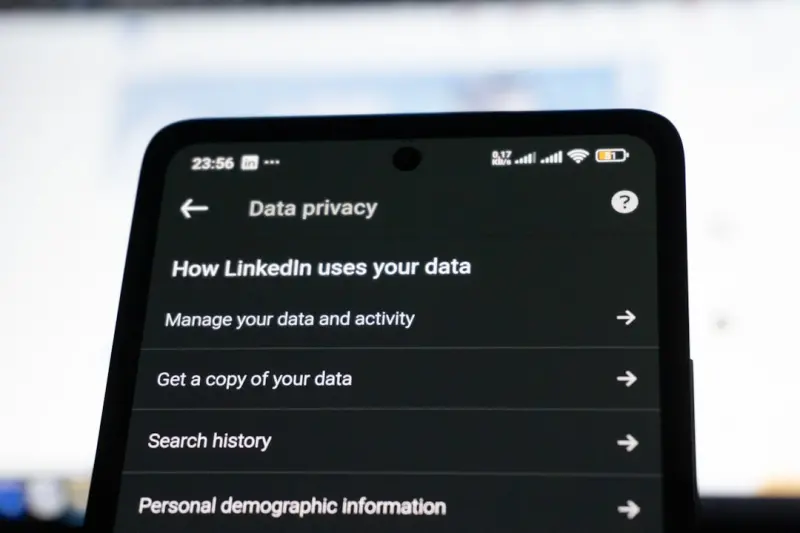
Privacy law is no longer a niche concern confined to data‑rich corporations; it is rapidly morphing into a fundamental pillar of modern governance. As the digital ecosystem expands, so does the complexity of the relationships between data subjects, processors, and the entities that claim to protect them. The most compelling evolution we’re witnessing today is the rise of the data fiduciary model—a legal construct that reimagines data stewardship as a duty of trust, akin to the obligations a lawyer owes a client or a banker owes a depositor.
Why the Fiduciary Lens Matters
Traditional privacy regimes, from sector‑specific statutes to broad‑based frameworks, have largely treated data as a commodity that can be bought, sold, or shared under consent‑based contracts. This approach works well when data flows are straightforward, but it falters in the face of today’s opaque, algorithm‑driven ecosystems. When an app silently aggregates location data, biometric readings, and purchasing habits to power a recommendation engine, the user’s consent often becomes a formality rather than a meaningful control mechanism.
Enter the fiduciary concept. By imposing a duty of loyalty, care, and good faith on data handlers, the law can shift the balance of power back to the individual. A data fiduciary must act in the best interest of the data subject, disclose conflicts of interest, and refrain from exploiting data for undisclosed commercial gain. This paradigm promises not just compliance, but a deeper, ethical integration of privacy into business strategy.
From Theory to Practice: Emerging Jurisdictions
Several jurisdictions are already experimenting with fiduciary duties in the privacy realm. For example, the California Consumer Privacy Act (CCPA) introduced a “data fiduciary” concept in amendments, while Brazil’s General Data Protection Law (LGPD) includes provisions that could be interpreted as fiduciary‑like responsibilities. These early adopters are laying the groundwork for a more robust global dialogue.
What’s crucial to note is that the fiduciary model is not merely a rebranding of existing obligations. It adds layers of accountability that traditional consent mechanisms lack:
- Transparency with Purpose – Fiduciaries must explain not only what data is collected, but why it matters to the subject’s interests.
- Conflict‑of‑Interest Management – Any secondary uses of data that benefit the fiduciary must be disclosed and, where appropriate, consented to.
- Data Minimization as Duty – Collecting data “just in case” becomes a breach of fiduciary care.
Impact on B2B SaaS Companies
For SaaS providers, the fiduciary shift is both a challenge and an opportunity. Your platform likely handles customer data across multiple layers—user profiles, usage analytics, and possibly third‑party integrations. Aligning with fiduciary principles means re‑architecting data pipelines to embed privacy at every step.
One practical move is to adopt a data‑trust framework. By positioning your service as a neutral steward of client data—rather than a data broker—you can differentiate yourself in a crowded market. This approach dovetails nicely with the growing demand for privacy‑by‑design solutions and can become a compelling sales narrative.
For a concrete example of how fiduciary thinking intersects with existing legal risks, consider the algorithmic hiring space. Companies that use AI to screen candidates are already grappling with bias and transparency issues. A fiduciary duty would require these platforms to actively prevent discriminatory outcomes, disclose model logic, and give candidates meaningful recourse—steps that go beyond the minimum compliance checklist.
Data Portability and the Fiduciary Role
Data portability, championed in many privacy statutes, is often touted as a user right without a clear enforcement mechanism. A fiduciary can bridge that gap by taking responsibility for the seamless, secure transfer of data when a user migrates to another service. This duty not only eases the technical burden on the consumer but also creates a competitive advantage for the fiduciary provider.
Think of the scenario described in when a resume becomes a data asset. If an employee’s career history is stored in a cloud‑based HR system, the platform must honor the employee’s request to move that data to a new employer’s system. Under a fiduciary regime, failure to do so would be a breach of duty, not just a procedural hiccup.
Challenges in Implementing Fiduciary Duties
Despite the appeal, the fiduciary model is not without hurdles:
- Defining the Scope – Who qualifies as a fiduciary? Is a third‑party analytics vendor a fiduciary to the end‑user, or only to the SaaS provider?
- Enforcement Mechanisms – Traditional fiduciary breaches are litigated in courts, but privacy violations often require regulatory action. Harmonizing these pathways is still a work in progress.
- Balancing Innovation – Over‑regulation could stifle the very data‑driven innovation that fuels economic growth. The fiduciary model must be calibrated to protect rights without paralyzing development.
These challenges underscore the need for a collaborative effort between lawmakers, industry groups, and civil society to draft clear, enforceable standards.
Strategic Steps for Companies Ready to Embrace Fiduciary Privacy
Adopting a fiduciary mindset doesn’t require waiting for legislation to catch up. Companies can take proactive steps today:
- Conduct a Fiduciary Readiness Assessment – Map out data flows, identify potential conflicts of interest, and evaluate current consent mechanisms.
- Develop a Transparency Portal – Offer users a dashboard that shows exactly what data is collected, why, and how it is used.
- Implement Robust Governance – Appoint a Chief Data Fiduciary Officer (CDFO) or integrate fiduciary duties into the existing privacy officer role.
- Embed Privacy‑by‑Design – Use techniques like differential privacy, federated learning, and on‑device processing to minimize data exposure.
- Prepare for Audits – Adopt third‑party certifications that verify fiduciary compliance, akin to ISO 27001 for information security.
These actions not only future‑proof your organization against impending fiduciary regulations but also resonate with customers increasingly aware of data ethics.
The Road Ahead: From Fiduciary Duty to Data Trusts
Looking further ahead, the fiduciary concept could evolve into formal data trusts—legal entities that hold and manage data on behalf of a group of individuals. Such trusts could negotiate collective bargaining power with data‑hungry corporations, ensuring fair value exchange and stronger privacy guarantees.
Imagine a consortium of small‑business SaaS providers pooling anonymized usage data into a trust that then licenses insights to larger analytics firms. The trust would enforce strict usage limits, revenue sharing, and audit rights, embodying the fiduciary principle at scale.
While still nascent, data trusts represent a logical extension of fiduciary duties, offering a scalable mechanism for collective data stewardship. As the concept gains traction, we can expect new statutes, case law, and industry standards to solidify its place in the privacy law landscape.
Conclusion: A Call to Lead, Not Follow
The privacy law horizon is shifting from reactive compliance to proactive stewardship. By embracing the data fiduciary model now, organizations can position themselves as trusted custodians, differentiate in a privacy‑savvy market, and mitigate legal risk before regulators make it mandatory. The transition will demand cultural change, technical investment, and legal foresight, but the payoff—enhanced brand trust, stronger customer relationships, and a resilient compliance posture—is well worth the effort.
In an era where data is the new oil, the fiduciary framework offers the ethical refinery we need. It’s time for leaders in the B2B SaaS space to step up, champion this emerging paradigm, and shape the next chapter of privacy law.

Liam James Professor with a PHD. & content creator with a passion for sparking curiosity and sharing knowledge. Driven by the joy of learning and storytelling, I bring ideas to life in every project. Always exploring, always teaching.
Related Posts

Privacy Law’s Next Evolution: Data Fiduciary Duties for SaaS Providers
Privacy law is shifting from simple notice‑and‑consent to enforceable data fiduciary duties. Thi... Read More

Beyond Consent: Building a Privacy‑First Engine for SaaS Success
Privacy law is no longer a checklist but a strategic moat for SaaS companies. This post outlines a p... Read More

Privacy‑by‑Design Playbook for B2B SaaS Leaders
Privacy‑by‑design is no longer a compliance checkbox for SaaS firms; it’s a strategic advantag... Read More
Top Posts

Digital Nomad Parenting: Custody, Support, and the New Family Law Frontier
A deep dive into how the rise of remote work and digital‑nomad living is transforming family law, covering jurisdiction, cross‑border child‑support enforc...Read More

When Your Car Becomes a Legal Battlefield: Navigating Modern Automotive Law
A deep dive into today’s automotive law landscape, revealing how recall rights, liability nuances, and insurance battles affect drivers, and offering practica...Read More

CRISPR, Gene Drives, and the Legal Labyrinth: Who Owns the Future of Human Genetics?
A deep dive into the legal maze surrounding CRISPR and gene‑editing technologies, covering liability, consent, privacy, and the need for unified regulatory fr...Read More

Navigating the Legal Labyrinth of Digital Estate Planning and Crypto Inheritance
A practical guide to safeguarding crypto and digital assets through smart estate planning, ensuring your online legacy passes smoothly to the next generation....Read More
0 Comments
Post Comment
You will need to Login or Register to comment on this post!