
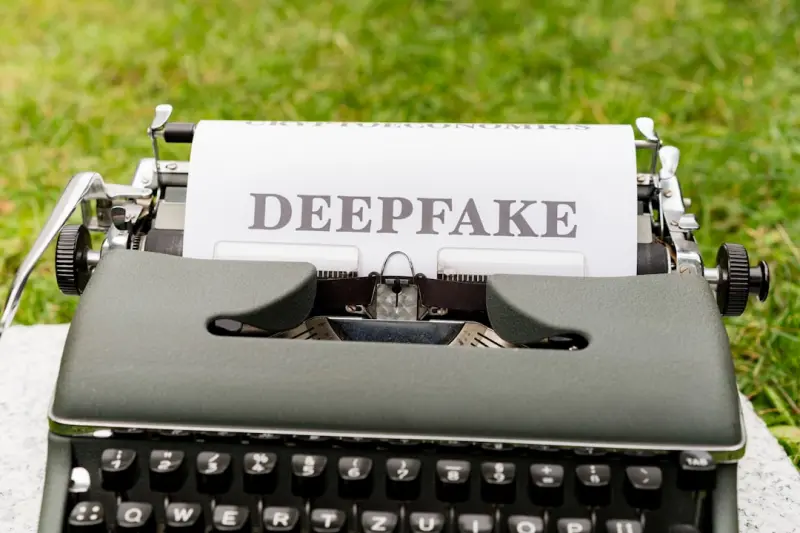
Understanding Deepfakes: From Novelty to Legal Threat
What started as a party trick—super‑imposing a celebrity’s face onto a dancing cat—has mutated into a technology that can fabricate entire videos, audio clips, and even written statements that are virtually indistinguishable from genuine material, and the law is scrambling to keep pace. The term “deepfake” now describes any synthetic media produced by generative adversarial networks (GANs), a class of AI that learns to mimic real‑world patterns with unsettling fidelity, and its applications have leapt from harmless memes to weaponized disinformation campaigns that threaten elections, corporate reputations, and personal safety. As a practitioner who has watched the courtroom evolve with every new digital disruption, I can attest that the most dangerous deepfakes are not the ones that go viral for laughs, but the ones that silently infiltrate evidentiary piles, erode trust, and force judges to confront the very definition of “truth.”
The Evidentiary Quagmire: Authenticity in the Courtroom
When a plaintiff submits a video that appears to show a defendant committing a crime, the first question a judge asks is no longer “who was there?” but “was the footage ever truly recorded?” Traditional authentication methods—chain‑of‑custody logs, metadata analysis, and witness testimony—now contend with AI‑generated artifacts that can spoof timestamps, embed false geolocation data, and even simulate background noise that matches a specific environment. Courts have begun to admit expert forensic testimony to dissect pixel‑level inconsistencies, yet the rapid improvement of deepfake algorithms means that even seasoned analysts can be fooled, creating a perpetual arms race where the burden of proof slides ever closer to the defendant, who must now prove a negative: that the contested media never existed in the first place.
Statutory Responses: New Laws Targeting Synthetic Media
Legislatures across the globe are finally moving beyond academic discussions to codify specific prohibitions on malicious deepfake creation and distribution, and the United States is no exception; several states have enacted statutes that criminalize the production of synthetic media intended to deceive for the purpose of defamation, election interference, or sexual exploitation, often imposing steep fines and prison terms to deter the worst offenders. At the federal level, recent amendments to the Computer Fraud and Abuse Act (CFAA) and the introduction of the DEEPFAKE Act seek to create a unified framework that addresses both civil and criminal liabilities, while also providing safe harbors for platforms that act swiftly to remove harmful content. These legislative efforts, however, are still in their infancy, and practitioners must stay vigilant for patchwork regulations that differ dramatically from one jurisdiction to another, making cross‑border litigation a minefield of conflicting statutes and enforcement priorities.
Criminal Liability: When Deepfakes Cross the Line
Beyond civil torts, deepfakes can constitute serious criminal conduct when they are used to commit fraud, blackmail, or even incite violence, and prosecutors are beginning to treat synthetic media as a distinct category of digital evidence in line with the principles outlined in cybercrime prosecution strategies that prioritize chain‑of‑custody integrity. For example, a deepfake audio clip that impersonates a CEO ordering a wire transfer can trigger charges of wire fraud and identity theft, while a fabricated video of a public official engaging in illegal activity may lead to charges of election tampering or intimidation, especially when the content is disseminated with the intent to influence voter behavior. Law enforcement agencies are now investing in specialized units equipped with AI detection tools, but the sheer volume of content circulating on social platforms means that many malicious deepfakes slip through the cracks, leaving victims to grapple with reputational damage before the criminal justice system can respond.
Civil Remedies: Defamation, Privacy, and Right of Publicity
On the civil side, victims of malicious deepfakes can pursue claims for defamation, invasion of privacy, and violation of the right of publicity, yet the unique nature of synthetic media presents novel hurdles that courts are still learning to address. Defamation suits must demonstrate that the fabricated content is “false” and “published” with “actual malice,” a standard that is complicated by the fact that the source of the deepfake is often an anonymous bot network, making identification of the publisher a daunting task. Privacy claims, particularly those involving non‑consensual deepfake pornography, have prompted a wave of state‑level “revenge porn” statutes that now expressly include AI‑generated sexual imagery, offering victims a clearer path to injunctive relief and damages, while the right of publicity protects individuals from unauthorized commercial exploitation of their likeness, even when that likeness is algorithmically generated rather than captured on camera.
Employer Concerns: Deepfakes in the Workplace
Employers are not immune to the disruptive potential of deepfakes, as malicious actors can weaponize synthetic videos to sabotage reputations, fabricate internal misconduct, or even simulate executive directives that lead to costly operational missteps. Human resources departments must now incorporate deepfake detection protocols into their incident response plans, training managers to flag anomalous video communications and consulting digital forensic experts before taking disciplinary action based on potentially fabricated evidence. Moreover, the rise of remote work and virtual meetings amplifies the risk, because video‑based authentication becomes a weaker line of defense when any participant can be replaced by a convincingly realistic avatar, prompting forward‑thinking companies to adopt multi‑factor verification methods that combine biometric data with cryptographic signatures to ensure the authenticity of critical communications.
International Perspectives: A Patchwork of Approaches
Globally, the legal response to deepfakes varies dramatically, with the European Union embedding synthetic media safeguards within the broader Digital Services Act, mandating rapid removal of harmful content and imposing hefty fines on platforms that fail to act, while countries like China have introduced sweeping bans on the creation of “fake videos” that threaten social stability, though enforcement often hinges on state‑controlled internet filters. In contrast, jurisdictions such as Canada and Australia rely on existing criminal statutes—such as fraud and harassment provisions—to prosecute deepfake creators, leading to inconsistent outcomes that depend on prosecutorial discretion and the availability of technical expertise. This divergent regulatory landscape means that multinational corporations and cross‑border litigants must navigate a complex tapestry of rules, sometimes facing simultaneous compliance obligations that can conflict with one another, a reality that underscores the need for a coordinated international framework that balances free expression with protection from digital manipulation.
Best Practices for Litigators and Defendants
For attorneys representing clients embroiled in deepfake disputes, a proactive approach is essential: immediately preserve the original digital file, secure hash values, and request server logs from the hosting platform to establish a forensic trail before the content is altered or removed. Engaging a qualified digital forensics expert early on can help identify subtle artifacts—such as irregular blinking patterns, mismatched lighting, or compression anomalies—that betray an AI‑generated origin, and that expert testimony can be pivotal in convincing a judge to exclude the evidence under the Daubert standard. Defendants, meanwhile, should consider filing motions for a protective order to limit the dissemination of potentially prejudicial synthetic media, while simultaneously pursuing discovery requests that compel the plaintiff to disclose the source, creation tools, and any third‑party involvement that may reveal a lack of authenticity, thereby shifting the evidentiary burden back onto the accuser.
The Role of Experts: From Forensic Analysis to AI Audits
Expert witnesses have become the new gatekeepers of truth in a courtroom saturated with AI‑crafted content, and their role now extends beyond simple pixel analysis to comprehensive AI model audits that examine the training data, algorithmic biases, and generation parameters that produced the contested media. Leading forensic firms employ a blend of computer vision techniques, audio spectrum analysis, and even blockchain‑based provenance tracking to certify the integrity of digital evidence, and their reports often include probabilistic assessments that quantify the likelihood of manipulation, which courts are beginning to treat as quasi‑scientific evidence. As deepfake technology continues to evolve, the demand for interdisciplinary experts—combining legal acumen, data science, and ethical AI stewardship—will only grow, compelling law firms to build dedicated teams that can stay ahead of the curve and advise clients on both defensive strategies and compliance with emerging regulatory standards.
Future Outlook: Legislation, Technology, and the Courts
Looking ahead, the intersection of law and synthetic media will be shaped by three converging forces: increasingly sophisticated AI models that blur the line between reality and fabrication, a wave of legislation that seeks to criminalize malicious deepfake creation while preserving legitimate artistic expression, and a judiciary that must develop new evidentiary standards to adjudicate disputes involving algorithmic artifacts. Courts are likely to adopt a more rigorous “authenticity hearing” process, wherein parties must present technical validation of any digital evidence, akin to the way DNA evidence is scrutinized today, and judges may rely on specialized AI‑trained referees to interpret complex technical reports. Meanwhile, lawmakers will need to refine existing statutes to address loopholes—such as the use of deepfakes for political persuasion or corporate sabotage—ensuring that penalties are proportionate and that victims have clear pathways to redress. In this evolving landscape, staying informed, investing in expert resources, and advocating for balanced policy will be the hallmarks of legal practitioners who can protect their clients from the deceptive power of synthetic media.

Steven McClurry is a freelance writer. He loves to write controversial topics and on a wide rang of topics. When is not online he is hanging out at his college campus or playing online games.
Related Posts
Legal Frontiers: How Technology Is Reshaping Family, Employment, and Criminal Law
A deep dive into the digital revolution sweeping family, employment, and criminal law, highlighting ... Read More
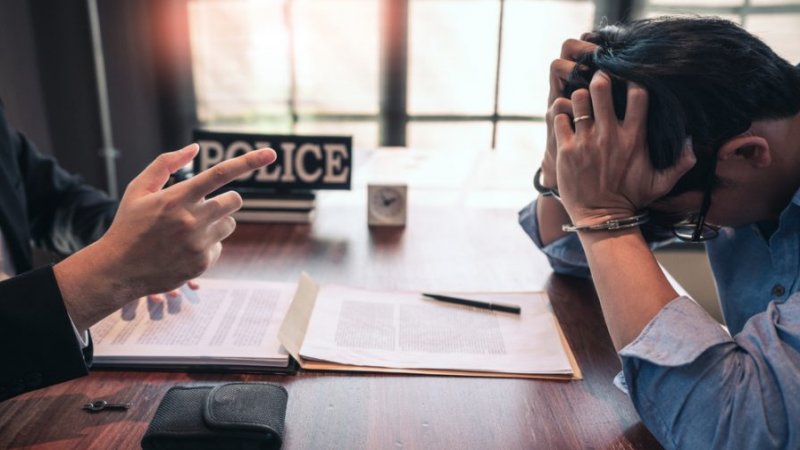
Charged with a Crime While on Probation? What Happens Next
Being on probation is a unique status in the criminal justice system — a conditional release that ... Read More

When Reality Becomes Fiction: Deepfakes and the Future of Evidence
Deepfakes are turning visual proof on its head. This article examines the legal challenges, emerging... Read More
Top Posts

Data Divorce: Protecting Privacy and Cloud Assets
Dividing digital assets is now a critical part of any separation. This guide walks you through preserving, negotiating, and securing cloud accounts, social medi...Read More

Co‑Parenting Across State Lines: A Practical Blueprint for Long‑Distance Custody
Learn how to navigate cross‑state child custody with clear legal steps, flexible parenting plans, and supportive tools that keep children thriving despite the...Read More

Why AI-Generated Inventions Are Redefining Patent Law
Generative AI is reshaping patent law, forcing a rethink of inventorship, disclosure, and protection. This post breaks down the legal dilemmas, offers a strateg...Read More
Navigating the Legal Skies of Autonomous Drone Delivery
A deep dive into the emerging legal challenges of autonomous drone delivery, covering airspace ownership, liability, privacy, cross‑border rules, and best‑p...Read More
0 Comments
Post Comment
You will need to Login or Register to comment on this post!