
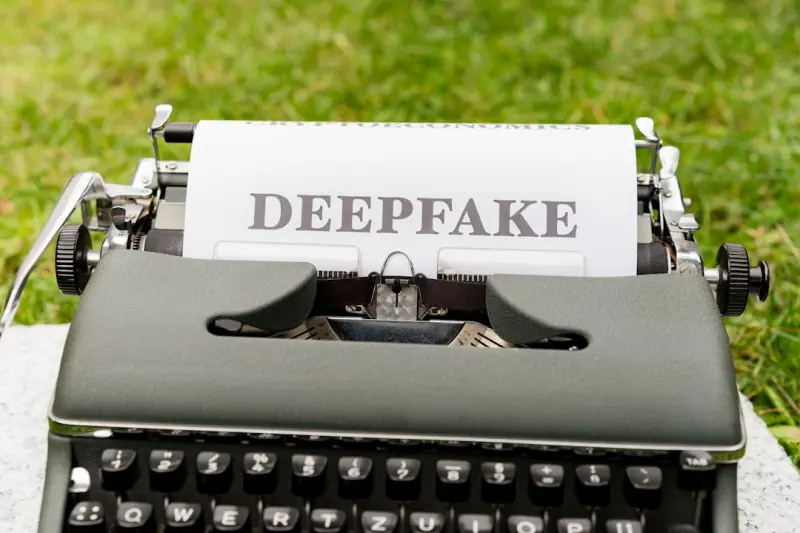
Why Deepfakes Are Not Just a Tech Problem—They’re a Legal Crisis
When I first saw a video of a celebrity “confessing” to a crime that never happened, my instinct was to laugh at the absurdity of the technology. Ten minutes later, a client called my office, frantic because a doctored video of her CEO was spreading on social media, threatening a multi‑million‑dollar merger. The joke quickly turned into a courtroom drama, and I realized that deepfake technology has moved from novelty to a genuine legal battlefield.
The Anatomy of a Deepfake
Deepfakes are synthetic media—videos, audio, or images—generated by artificial intelligence, typically using generative adversarial networks (GANs). The technology can splice a person’s likeness into any scenario with frightening realism. While the underlying code is elegant, the output can be weaponized in ways that shake the foundations of defamation, privacy, intellectual property, and even national security.
Defamation Takes a Digital Turn
Traditional defamation law hinges on false statements that damage reputation. Deepfakes add a layer of complexity: the false statement is no longer a spoken or written word, but a visual narrative that can be replayed millions of times. Courts are now wrestling with questions such as:
- Should the creator of the deepfake be liable, or does the platform that amplifies it share responsibility?
- Can a victim sue for “synthetic” falsehoods even when the source is anonymous?
- How do statutes of limitations apply when a deepfake resurfaces months after the original posting?
In a recent case in California, a plaintiff successfully sued a political activist who posted a deepfake of a mayor accepting bribes. The jury awarded damages not just for reputational harm but also for the “emotional distress” caused by the visual deception. The ruling signaled that courts are willing to treat synthetic media as “statement” material under defamation law.
Privacy in the Age of Face Swaps
Privacy law traditionally protects against the unauthorized use of personal data. Deepfakes blur the line because they use a person’s likeness without any actual data capture—no camera, no microphone—just an algorithm trained on publicly available images. This raises novel privacy challenges:
- Is the unauthorized recreation of a face a violation of the right of publicity?
- Do consent frameworks need to expand to cover synthetic reproductions?
- What remedies exist when a deepfake is used for blackmail or intimate partner violence?
Some jurisdictions have started amending their right‑of‑publicity statutes to explicitly mention “synthetically generated likenesses.” Others rely on existing privacy torts like “infliction of emotional distress.” For practitioners, the key is to map the client’s harm onto the most favorable statutory or common‑law cause of action.
Intellectual Property Meets AI‑Generated Art
Deepfake creators often use copyrighted footage, music, or even trademarked logos to lend authenticity to their productions. This creates a tangled web of infringement claims. The question isn’t just “who owns the deepfake?” but “who owns the underlying assets that were manipulated?”
In a landmark copyright suit, a film studio sued a deepfake artist for incorporating snippets of its copyrighted movie into a political satire video. The court held that the use was not “fair use” because the deepfake’s purpose was primarily to deceive, not to comment. The decision underscores that the traditional fair‑use analysis still applies, but the intent behind the synthetic media is scrutinized more heavily.
Election Law and National Security
Perhaps the most alarming arena is the impact of deepfakes on democratic processes. A single convincing video of a candidate “admitting” to a scandal can swing voter sentiment in a matter of hours. Legislators worldwide are scrambling to draft statutes that criminalize the creation and distribution of election‑related deepfakes.
In the United Kingdom, the Political Parties, Elections and Referendums Act was amended to include a provision that makes it an offense to knowingly disseminate false visual material intended to influence an election. Penalties range from hefty fines to imprisonment, reflecting the seriousness of the threat.
Platform Liability and the “Safe Harbor” Debate
One of the most contentious issues is whether online platforms can hide behind the safe harbor provisions of the Communications Decency Act (or analogous laws abroad) when deepfakes proliferate on their services. Some argue that the sheer volume of user‑generated content makes it impossible for platforms to police every upload, while others claim that the unique harms caused by synthetic media demand a higher duty of care.
Recent lawsuits against major social networks allege that they failed to act promptly after being notified of a deepfake that targeted a political figure. Courts have been split: a few rulings uphold the safe harbor, emphasizing the platforms’ role as neutral conduits, while others impose liability for “willful blindness.” The legal landscape is in flux, and businesses operating online must anticipate stricter compliance obligations.
Corporate Risk Management: From Policy to Practice
For corporate counsel, the rise of deepfakes is a risk management imperative. Here are three practical steps to fortify your organization:
- Develop a Deepfake Response Playbook. Define escalation protocols, designate a media‑monitoring team, and outline how to engage law enforcement.
- Implement Proactive Monitoring. Use AI‑powered detection tools to scan social platforms for unauthorized uses of your brand or executives’ likenesses.
- Educate Employees. Conduct regular trainings on the dangers of deepfakes, especially for executives who may be targeted for disinformation campaigns.
Integrating these steps with existing AI recruiting regulations can create a cohesive policy framework that addresses both the inbound and outbound risks of synthetic media.
International Harmonization: A Work in Progress
Deepfake legislation is emerging at different paces worldwide. The European Union’s Digital Services Act includes provisions for “illegal content” that could encompass deepfakes, while the United States relies on a patchwork of state laws. In Asia, countries like Singapore are exploring mandatory labeling of AI‑generated media. For multinational corporations, the disparity means navigating a mosaic of rules that can change overnight.
The Future: From Reactive to Proactive Law
Ultimately, the law must shift from a reactive posture—punishing deepfakes after the damage is done—to a proactive stance that anticipates abuse before it occurs. This will likely involve:
- Mandatory digital watermarks for any AI‑generated visual content.
- Standardized “deepfake disclosures” akin to nutritional labels on food.
- Cross‑border enforcement agreements that streamline extradition for deepfake‑related crimes.
As legislators, technologists, and legal professionals collaborate, we may see a future where synthetic media is clearly flagged, and the line between reality and fabrication is legally enforceable.
Conclusion: The Legal Profession’s New Frontier
Deepfakes are more than a gimmick; they are a transformative force reshaping how we think about speech, image, and identity under the law. For practitioners, the challenge is to stay ahead of the curve—understanding the technology, anticipating regulatory trends, and crafting robust defense and enforcement strategies. The courtroom will soon hear more cases where a pixel‑perfect lie is the centerpiece, and the lawyers who master this new terrain will define the next chapter of media law.

Liam James Professor with a PHD. & content creator with a passion for sparking curiosity and sharing knowledge. Driven by the joy of learning and storytelling, I bring ideas to life in every project. Always exploring, always teaching.
Related Posts

When Drones Deliver: Untangling the Legal Maze of Skyward Shipping
Drone delivery is reshaping logistics, but it also raises complex legal issues. This post breaks dow... Read More

Navigating the Digital Divide: How Technology Is Redefining Modern Law
A deep dive into how technology—from AI risk models to virtual hearings—transforms every facet o... Read More

Remote Notarization: How Virtual Witnesses Are Redefining Legal Authenticity
A deep dive into remote notarization, covering its legal foundations, tech security, privacy concern... Read More
Top Posts

When Custody Meets the Cloud: A Modern Co‑Parenting Playbook
A deep dive into how technology—from secure SaaS calendars to virtual visitation—can reshape child custody agreements, balancing legal safeguards with empat...Read More
Inside the Most Dangerous Underground Operations: Tunnel Boring Unveiled
A deep dive into tunnel boring’s hidden perils, from geological surprises to liability gaps, revealing how technology and rigorous risk management are reshapi...Read More

Divorce in 2024: A Narrative‑Driven, Tech‑Savvy Guide from Kris M. Chen
Kris M. Chen reveals the cutting‑edge tools and storytelling tactics reshaping divorce, from AI‑powered mediation to child‑custody strategies that priorit...Read More

Reimagining Child Custody: A Holistic, Tech‑Savvy Approach for Modern Families
Discover a modern, child‑centered custody strategy that leverages digital tools, mental‑health expertise, and collaborative law to create flexible, resilien...Read More
0 Comments
Post Comment
You will need to Login or Register to comment on this post!