
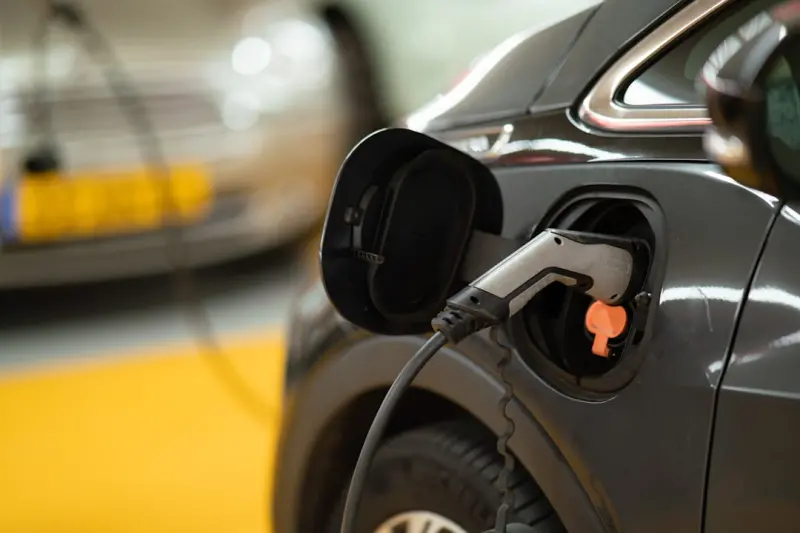
When the roar of a traditional engine gives way to the silent hum of an electric drivetrain, the legal landscape that once seemed familiar is suddenly a maze of new questions. Consumers who eagerly trade in gasoline‑powered sedans for sleek EVs often discover that warranties, safety standards, and financing terms have been rewritten in fine print that looks nothing like the clauses they signed years ago. Understanding how these shifts affect your rights is essential before you hand over a deposit, because the stakes involve not just your pocketbook but also your peace of mind on the road.
The Rise of Battery Warranty Battles
Battery packs are the heart of every electric vehicle, yet manufacturers frequently cap warranty coverage at a fixed number of years or miles, leaving owners to wonder what happens when degradation outpaces those limits. In practice, this creates a fertile ground for disputes when a battery’s capacity drops below advertised ranges well before the warranty expires, prompting drivers to demand reparations that many dealers are reluctant to grant. By familiarizing yourself with the specific language of autonomous vehicle liability clauses, you can better negotiate a fair settlement or even pursue litigation if necessary.
State Lemon Laws Meet Electric Powertrains
Traditional lemon laws were crafted with internal combustion engines in mind, assuming that a “defect” meant a malfunctioning engine or transmission, not a software glitch that limits a battery’s range. As a result, many EV owners find themselves stranded in a legal gray area where a vehicle’s under‑performance may not qualify as a classic “lemon,” despite the inconvenience and expense it causes. Courts are beginning to reinterpret these statutes, but until a clear precedent is set, savvy consumers should document every charge cycle, range test, and service interaction to build a robust case should the need arise.
Financing and Lease Agreements: Hidden Pitfalls
Financing an electric car often involves promotional interest rates tied to the vehicle’s expected depreciation, yet the rapid evolution of battery technology can cause resale values to swing dramatically in just a few years. Lease contracts, in particular, may include clauses that penalize drivers for early termination or for exceeding mileage caps, but they rarely account for the reality that charging infrastructure—or the lack thereof—can force owners to drive less or more than anticipated. Scrutinizing the fine print for “early‑termination fees” and “excess wear” provisions can save you from unexpected penalties when the market shifts beneath your wheels.
Recalls, Safety Notices, and the Owner’s Legal Toolkit
Every year, the National Highway Traffic Safety Administration issues recalls that affect millions of vehicles, but electric cars introduce unique recall triggers such as battery thermal runaway or software‑controlled charging limits. When a recall is announced, manufacturers typically offer free repairs, yet the logistics of scheduling service can be daunting for owners without easy access to authorized centers. Knowing your rights under the Magnuson‑Moss Warranty Act empowers you to demand timely repairs and, if a manufacturer drags its feet, to seek statutory damages through a simple yet effective legal pathway.
Insurance Adjustments for the New Powertrain
Insurance companies are still calibrating risk models for electric vehicles, leading to premium structures that may feel arbitrary or disproportionately high compared to conventional cars. Some insurers offer discounts for “green” vehicles, but they may also raise rates based on the perceived cost of battery replacement after a collision. To navigate this, request a detailed breakdown of how your policy calculates coverage for battery damage versus bodywork, and compare quotes from multiple carriers that specialize in EV insurance to ensure you’re not overpaying for protection you don’t need.
Data Privacy in Connected Cars
Modern electric cars are equipped with telematics systems that constantly stream data about location, driving habits, and battery health back to manufacturers and third‑party service providers. While this connectivity improves performance, it also raises privacy concerns that intersect with state data‑protection statutes and the Federal Trade Commission’s regulations on consumer consent. If you suspect your vehicle’s data is being shared without proper disclosure, you may have grounds to file a complaint under the California Consumer Privacy Act or similar legislation, forcing the company to amend its data‑handling practices.
Consumer Strategies for Proactive Protection
Armed with the knowledge that the legal terrain is still being charted, the smartest EV owners adopt a proactive stance: keep meticulous records, stay informed about manufacturer bulletins, and engage with online owner forums that often surface early warnings about emerging issues. Additionally, consider purchasing an extended service contract that specifically addresses battery health, and always read the fine print to verify that it covers “capacity loss” rather than merely “manufacturing defects.” By treating your vehicle like a high‑value asset, you can leverage both contractual safeguards and emerging case law to protect your investment.
When Disputes Escalate: Choosing the Right Legal Path
If negotiations with a dealer or manufacturer stall, the next step is to evaluate whether a small‑claims court filing, a mediation process, or a full‑scale lawsuit best aligns with your goals and resources. Small‑claims courts are ideal for relatively modest battery warranty claims, while more complex cases involving multiple jurisdictions or significant damages may require the expertise of an attorney familiar with both automotive and consumer‑protection law. Remember that many states have “cooling‑off” periods that allow you to rescind a purchase within a specific timeframe, a tool that can be powerful when used strategically.
Looking Ahead: The Legal Evolution of Electric Mobility
The rapid adoption of electric vehicles promises a future where charging stations dot every highway and battery technology improves at a breakneck pace, but the legal framework will need to keep up to ensure fairness for drivers everywhere. Legislators are already drafting bills that would standardize battery warranty disclosures and create a national registry for EV recalls, while courts continue to set precedents that clarify how traditional consumer‑protection statutes apply to cutting‑edge technology. Staying ahead of these developments—not just reacting to them—will be the key to navigating the electrified road ahead with confidence and legal certainty.

Steven McClurry is a freelance writer. He loves to write controversial topics and on a wide rang of topics. When is not online he is hanging out at his college campus or playing online games.
Related Posts

Driving Change: 2024 Trends Shaping Automotive Law
A deep dive into 2024’s automotive law shifts, covering emissions, self‑driving tech, data priva... Read More
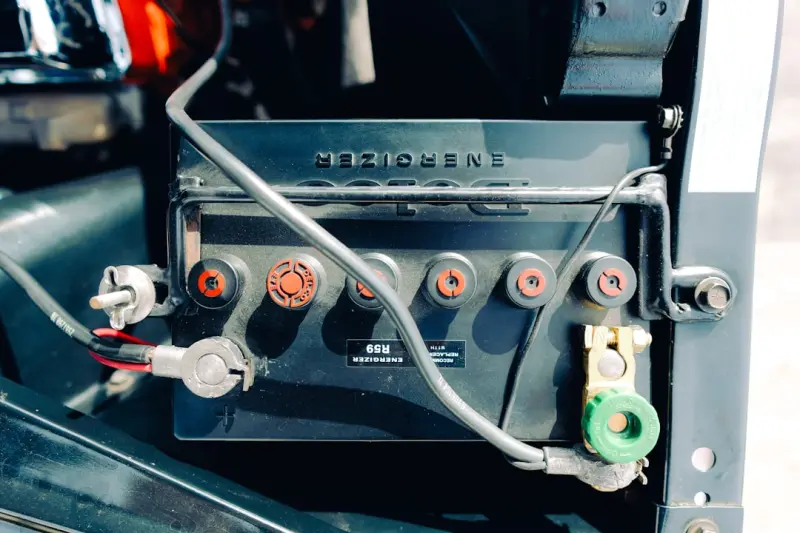
Battery Leasing, Warranty Loopholes, and the Rise of EV Subscription Models
Battery leasing and EV subscription services are reshaping vehicle ownership, but they also introduc... Read More
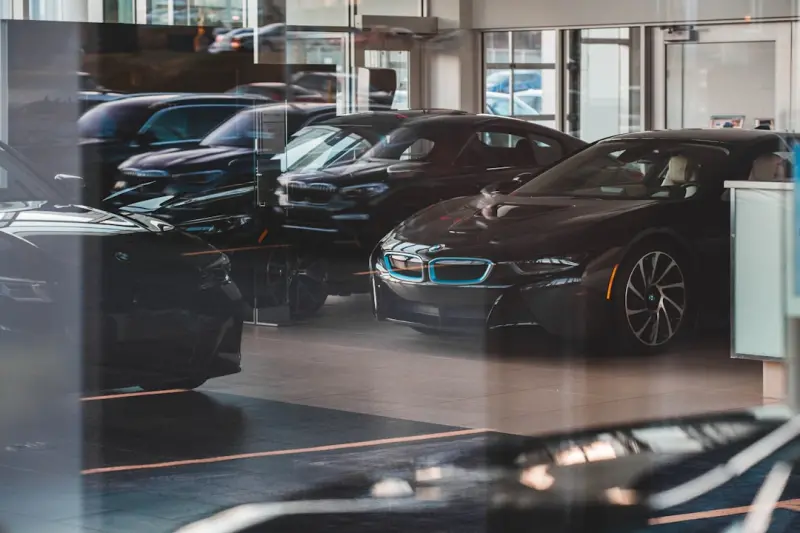
Legal Pitfalls of Car Subscription Services
Car subscription services promise flexibility but hide complex legal traps. This article breaks down... Read More
Top Posts

Silent Switches: How Runtime Secrets Leak and What SaaS Ops Can Do About It
A deep dive into the covert risk of runtime secret leakage, this post reveals how unnoticed credential slips can cripple SaaS platforms and offers a practical c...Read More

Reimagining Bail: Balancing Liberty, Safety, and Technology in Criminal Law
A deep dive into bail reform’s complexities, the impact of DNA and AI on investigations, and community‑driven solutions for a fairer criminal‑law system....Read More
Protecting Your NFT Creations: An Intellectual Property Playbook
Discover practical IP strategies—copyright, trademark, and patents—to protect your NFTs and ensure lasting value in the evolving digital marketplace....Read More

Who Owns the Machine? Copyright in the Age of Generative AI
Generative AI is redefining creativity, raising fresh copyright questions about originality, authorship, and derivative works. This article offers a deep dive i...Read More
0 Comments
Post Comment
You will need to Login or Register to comment on this post!