

Why Emotional Agility Matters More Than Ever After a Divorce
Divorce isn’t just a legal event; it’s a seismic shift in the way you experience the world. For many high‑performing professionals, the sudden loss of a partnership can feel like a breach of the personal contract they never thought they’d need to renegotiate. The result? A cocktail of anxiety, decision fatigue, and a lingering sense that the future is a fog of uncertainty.
What separates those who tumble into a prolonged slump from those who bounce forward is emotional agility—the ability to recognize, accept, and pivot with your feelings rather than being immobilized by them. In this guide, I’ll walk you through a pragmatic framework that blends psychological science with the realities of a fast‑paced career, helping you reclaim control and purpose.
The Hidden Cost of Unprocessed Emotion
When you’re caught up in a divorce, the brain’s default stress response—fight, flight, or freeze—takes over. Unprocessed emotions don’t just linger in the mind; they manifest physically. Chronic cortisol spikes can impair memory, lower immune function, and erode the very focus you need to excel at work. Moreover, lingering resentment can sabotage relationships with colleagues, clients, and even future partners.
Research from the field of affective neuroscience shows that emotional granularity—the skill of naming and differentiating your feelings—reduces the intensity of stress responses. In plain terms, if you can tell the difference between “frustrated” and “overwhelmed,” you’re better equipped to choose a constructive response.
Step 1: Create a “Feelings Inventory”
- Set a timer for 10 minutes each morning. Grab a notebook or a digital note‑taking app and jot down every emotion that surfaces, no matter how trivial it seems.
- Use a spectrum. Place each feeling on a scale from 1 (low intensity) to 10 (high intensity). This visual cue helps you track which emotions dominate your day.
- Identify triggers. Note the context—meeting a client, scrolling through social media, hearing a song from a shared past—to uncover patterns.
Over a week, this inventory becomes a map of your emotional terrain, revealing hotspots you can address proactively.
Step 2: Reframe the Narrative with “Self‑Compassion Scripts”
Self‑compassion is not a feel‑good buzzword; it’s a scientifically validated antidote to shame. According to Dr. Kristin Neff, the three pillars are:
- Self‑kindness – Speak to yourself as you would to a trusted friend.
- Common humanity – Recognize that suffering is a universal human experience.
- Mindfulness – Observe thoughts without over‑identifying with them.
Write down three scripts you can turn to when negative self‑talk spikes. For example:
“I’m feeling angry because this feels like a loss of control. It’s okay to feel angry; it means I care deeply about my life’s direction. I’ll channel this energy into updating my career goals.”
Practice these scripts daily until they become second nature.
Step 3: Leverage Structured Decision‑Making to Reduce Overwhelm
Divorce throws a slew of decisions at you—financial, logistical, and relational. When faced with too many choices, the brain’s decision‑making circuitry can shut down, leading to analysis paralysis. The “Two‑Stage Decision Framework” can help:
- Clarify the Objective. Ask, “What outcome would make this decision feel resolved for me?” Write it down.
- Identify Constraints. List the non‑negotiables (e.g., legal deadlines, child‑care schedules).
- Generate Options. Brainstorm without judging—quantity over quality.
- Score Each Option. Rate against your objective (1‑5) and constraints (1‑5). Multiply the scores; the highest total wins.
This systematic approach removes the emotional weight of “guesswork,” freeing mental bandwidth for creative problem‑solving.
Step 4: Rebuild Your Support Ecosystem
Isolation is a common after‑effect of divorce, but the most resilient individuals actively reconstruct their support network:
- Professional Mentors. Seek out a mentor who has navigated personal upheaval while maintaining career momentum. Their perspective can offer both strategic and emotional guidance.
- Therapeutic Alliances. Consider a therapist who specializes in transitional life phases. If you’re skeptical about “talk therapy,” try evidence‑based modalities like ACT (Acceptance and Commitment Therapy) which focus on values‑driven action.
- Peer Communities. Join a group of professionals who are also going through divorce or similar life changes. Shared experience reduces stigma and fosters accountability.
When you invest in relationships that reflect your new reality, you create a safety net that cushions inevitable setbacks.
Step 5: Harness Technology to Streamline the Mundane
While I won’t rehash the digital life overhaul guide, there’s a specific set of tools that can dramatically reduce friction during the divorce transition:
- Secure Document Vaults. Services like encrypted cloud storage let you compartmentalize legal documents, financial statements, and personal records without the risk of accidental sharing.
- Automated Expense Tracking. Use budgeting apps that categorize shared expenses (rent, utilities, child‑related costs) in real time, making future support calculations transparent.
- Calendar Syncing. Consolidate court dates, mediation sessions, and therapy appointments into a single, color‑coded calendar to avoid double‑booking and to protect your time.
These tech solutions free you from the mental clutter of administrative tasks, giving you more space to practice emotional agility.
Step 6: Redefine Success on Your Own Terms
Before divorce, many professionals measure success by external metrics—salary, title, market share. Post‑divorce, the definition often shifts toward internal fulfillment. Take a moment to answer these reflective questions:
- What activities make me lose track of time?
- Which relationships energize me versus drain me?
- How do I want my legacy to feel for my children, if applicable?
Write a concise “post‑divorce mission statement” that captures the essence of your new priorities. Keep it visible on your desk or phone wallpaper as a daily reminder.
Step 7: Anticipate and Manage “Divorce Triggers” in the Workplace
Even if you’ve left the marital home, reminders can pop up at work: a colleague’s anniversary, a shared vacation photo on a team chat, or a client call that coincidentally aligns with a court date. These divorce triggers can reignite emotional turbulence.
Prepare a brief “trigger‑response plan”:
- Acknowledge the feeling. Silently note, “I’m feeling sad because this reminds me of a past milestone.”
- Ground yourself. Use a 4‑7‑8 breathing technique (inhale 4 seconds, hold 7 seconds, exhale 8 seconds) to reset your nervous system.
- Redirect. Shift focus to a pre‑identified work‑related anchor—reviewing a project timeline, reading a client brief, or taking a short walk.
By rehearsing this routine, you maintain composure and protect your professional reputation.
Step 8: Turn the Experience into a Leadership Asset
Leaders who have navigated personal adversity often develop heightened empathy, strategic foresight, and resilience—all prized qualities in modern organizations. When you feel ready, consider sharing your journey (in a way that respects privacy) during team meetings or mentorship sessions. Framing your divorce as a catalyst for growth can:
- Humanize you to your team, fostering trust.
- Demonstrate vulnerability as a strength, encouraging others to seek support.
- Illustrate real‑world applications of emotional agility, reinforcing organizational culture.
Just ensure any public disclosure aligns with your personal comfort and any legal confidentiality constraints.
Step 9: Align Your Financial Strategy with Your New Identity
Divorce inevitably reshapes your financial landscape. While the Financial Playbook for Divorcees covers the mechanics of asset division and support obligations, there’s a deeper, often overlooked layer: values‑aligned investing. Consider reallocating a portion of your portfolio toward causes that resonate with your post‑divorce values—whether that’s sustainable tech, education, or community development. This not only diversifies risk but also restores a sense of purpose to your financial decisions.
Step 10: Celebrate Micro‑Wins
Finally, recognize that emotional agility is a marathon, not a sprint. Celebrate small victories—completing a therapy session, successfully negotiating a work deadline, or simply enjoying a weekend hobby without lingering guilt. Each micro‑win rewires your brain, reinforcing the neural pathways of resilience.
Over time, these wins accumulate, creating a robust foundation upon which you can rebuild your personal and professional life.
Bringing It All Together
Divorce is a crucible that tests the limits of your emotional, mental, and practical capacities. By systematically inventorying feelings, cultivating self‑compassion, employing structured decision‑making, and leveraging technology, you can transform a period of upheaval into a catalyst for lasting growth. The journey toward emotional agility is uniquely yours, but the framework above offers a roadmap you can adapt, iterate, and own.
Remember: the goal isn’t to eradicate pain—pain is an inevitable part of any major life transition. Instead, it’s to learn to sit with that pain, extract insight, and move forward with intention and clarity.
If you’re seeking additional support, consider exploring Collaborative Family Law as an avenue that aligns legal resolution with emotional wellbeing. This approach emphasizes mediation, transparent communication, and shared problem‑solving, reducing adversarial stress and preserving relationships where possible.
Take the first step today: open your notebook, write down what you’re feeling, and commit to one small action from the list above. Your future, more resilient self, will thank you.

I am Madden Persons, a content writer and digital influencer dedicated to crafting impactful stories and building authentic online connections. With a strategic approach to content creation, I develop engaging articles, digital campaigns, and social media narratives that help brands elevate their online presence and connect meaningfully with their target audiences.
Passionate about modern digital trends and audience engagement, I specialize in translating complex ideas into compelling content that sparks conversation, drives results, and strengthens brand identity.
Related Posts

Untangling Digital Wealth in Divorce: A Modern Guide
Divorce now involves more than homes and cars; digital assets like crypto, NFTs, and SaaS subscripti... Read More

When Love Unravels: Safeguarding Your Startup During Divorce
Divorce can threaten a startup’s core assets, but with clear financial separation, founder‑spous... Read More

The Unseen Struggles of Divorce: A Closer Look
Divorce is a complex and often challenging process, and it is the unseen struggles that can have a p... Read More
Top Posts

Beyond the Grave: Crafting a Digital Estate in the Age of Data
A practical guide to managing your online identity after death, covering inventory, legal tools, cybersecurity, and future trends in digital estate law....Read More

Understanding Medical Malpractice: A Guide to Patient Rights and Legal Recourse
Medical malpractice is a serious issue affecting many patients. Understand your rights, the types of malpractice, and the legal options available if you've been...Read More
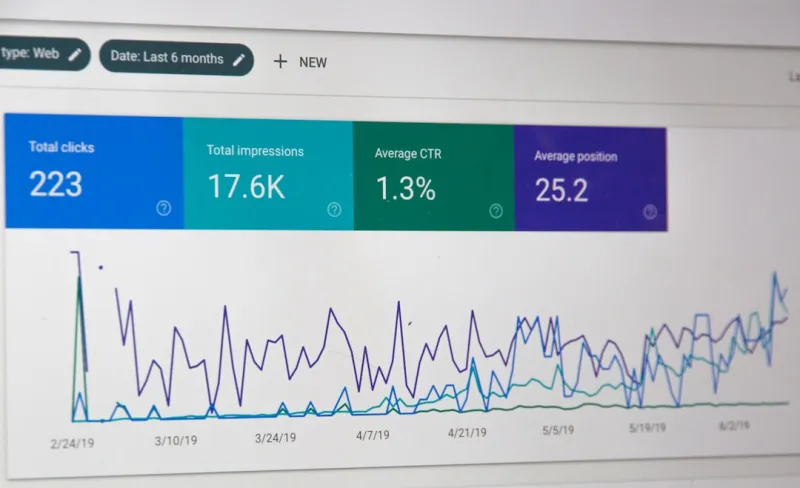
The Future of Search Engine Optimization: Trends to Watch
The future of SEO is rapidly evolving. Stay ahead of the curve with our expert analysis on the latest trends and insights to improve your online visibility and ...Read More

Adaptive Reuse Law: Turning Yesterday’s Factories into Tomorrow’s Communities
Adaptive reuse projects breathe new life into old buildings, but they come with intricate legal hurdles. This guide walks developers through zoning, historic pr...Read More
0 Comments
Post Comment
You will need to Login or Register to comment on this post!