
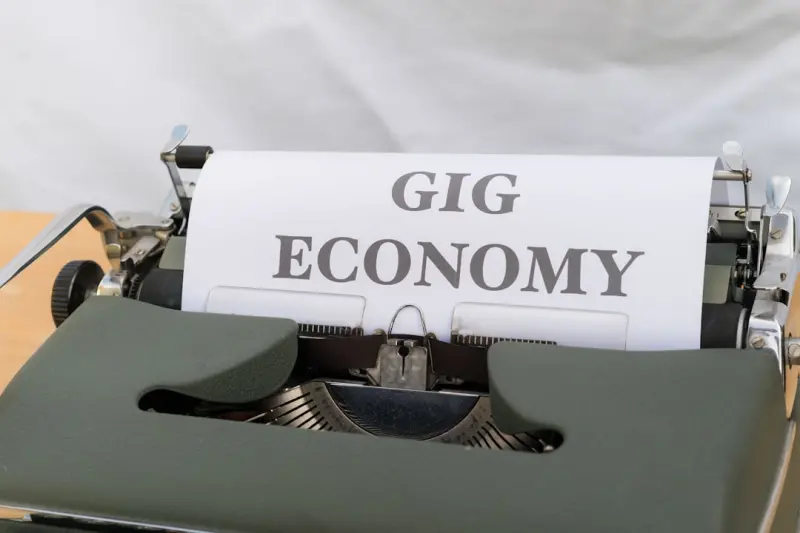
The Gig Economy’s Legal Quagmire
When I first started advising startups on staffing models, the allure of flexible, on‑demand labor was hard to resist, but the legal underpinnings quickly revealed a labyrinth of gray areas. Worker classification sits at the heart of this maze, determining whether a person is an employee entitled to benefits and protections or an independent contractor free to set their own terms. The stakes have never been higher, as missteps can trigger massive back‑pay liabilities, tax penalties, and reputational damage that linger long after the gig platform’s hype fades.
Employee vs. Contractor: The Core Distinctions
In my practice, I’ve learned that courts and regulators apply a multi‑factor test that examines control, independence, and the economic realities of the working relationship. If a company dictates schedules, provides tools, and integrates the worker into its core business, the law leans toward employee status, regardless of any contract language to the contrary. Conversely, true contractors retain the freedom to market their services to multiple clients, bear the risk of profit or loss, and operate under their own business name.
Why Misclassification Matters for Both Parties
From an employer’s viewpoint, the temptation to label workers as contractors can shave off payroll taxes and eliminate the need for health benefits, but the short‑term savings are eclipsed by the long‑term fallout of a classification audit. Workers, on the other hand, often trade the promise of flexibility for a lack of wage‑hour protections, unemployment insurance, and the ability to bargain collectively, leaving them vulnerable to exploitation. The ripple effect extends to the broader economy, where under‑protected labor forces can depress wage standards and erode the social safety net.
Emerging State Laws and Their Impact
Recent legislative waves, such as the “ABC Test” adopted in several states, have tightened the criteria for contractor status, making it easier for agencies to challenge misclassifications. Companies operating across state lines now face a patchwork of compliance obligations that can differ dramatically from one jurisdiction to the next, demanding a nuanced, jurisdiction‑specific strategy. Ignoring these nuances can result in simultaneous investigations from multiple state labor departments, each wielding its own enforcement toolkit.
Enforcement Trends and Penalties
The Department of Labor’s heightened focus on gig‑worker rights has led to a surge in whistleblower actions and class‑action lawsuits, many of which settle for millions of dollars in back wages and damages. In addition, the Internal Revenue Service has ramped up its scrutiny of Form W‑2 versus Form 1099 filings, imposing penalties that can reach up to $10,000 per misclassified worker. These enforcement trends underscore the importance of proactive compliance rather than reactive damage control.
Best Practices for Companies: A Proactive Playbook
First, conduct a thorough, documented classification audit that maps each role against the applicable legal tests, incorporating input from HR, legal counsel, and line managers. Second, redesign work arrangements where feasible to align with employee status—providing benefits, paid leave, and clear wage structures—to mitigate risk. Finally, embed ongoing training for managers on the nuances of classification, and adopt clear, transparent contracts that reflect the true nature of the working relationship.
Protecting Workers’ Rights in the Gig Era
Beyond compliance, forward‑thinking organizations recognize that empowering gig workers can be a competitive advantage, fostering loyalty and higher quality output. Offering optional benefit packages, transparent payment schedules, and avenues for dispute resolution can transform a transactional gig into a partnership that respects both parties’ interests. By championing fair treatment, companies not only dodge legal pitfalls but also attract top talent eager for flexibility without sacrificing security.
Future Outlook: From Litigation to Innovation
The legal landscape is poised to evolve as courts grapple with new business models, and policymakers consider federal standards that could harmonize classification rules nationwide. In my view, the next wave will shift from litigation toward collaborative frameworks—such as portable benefits ecosystems and industry‑wide certification programs—that reconcile flexibility with worker protection. Companies that invest early in these innovative solutions will likely emerge as leaders in a market where legal certainty and employee satisfaction go hand in hand.
Balancing Legal Risk and Business Agility
Ultimately, navigating gig‑economy classification is a balancing act that requires both legal rigor and strategic foresight. By treating classification as a core business decision rather than an afterthought, firms can safeguard against costly lawsuits while preserving the agility that made the gig model attractive in the first place. As the regulatory environment continues to tighten, the smartest employers will view compliance not as a constraint but as a catalyst for sustainable growth and a stronger employer brand.
Related Insights
For a deeper dive into how workplace mental health intersects with legal obligations, see my earlier piece on legal battles over workplace mental health. Additionally, understanding the nuances of employee data privacy can further fortify your compliance strategy in a digitally connected gig workforce.

Kris M. Chen is a dedicated legal paralegal based in Texas, specializing in delivering comprehensive case management and litigation support. Known for a meticulous approach to legal research and document preparation, Kris plays a vital role in navigating complex legal workflows and ensuring seamless trial preparation.
Related Posts

The Gig Economy’s Legal Crossroads: Who Really Holds the Power?
A deep dive into gig workers’ battles over classification, privacy, and collective power, revealin... Read More

Employment Law in 2024: Kris M. Chen’s Insightful Take on the Shifting Workplace
Kris M. Chen breaks down the biggest 2024 employment law shifts—from hybrid work and privacy to AI... Read More

AI‑Powered Employee Surveillance: Navigating Privacy, Consent, and Legal Risks
An in‑depth look at AI performance monitoring, its privacy implications, legal pitfalls, and actio... Read More
Top Posts

Riding the Legal Wave: Kris Kennel’s 2024 Outlook on Emerging Law Trends
Kris Kennel breaks down 2024’s top legal trends—from AI‑powered courts and data privacy to the evolving workplace—offering practical guidance for lawyer...Read More

Why Divorce Isn’t Just About Property Anymore
Why Divorce Isn’t Just About Property Anymore When a marriage ends, the conversation traditionally revolves around who gets the house, the car, and the saving...Read More
Redefining Employee Status in the Distributed SaaS Workforce
A deep dive into how SaaS companies can correctly classify remote workers, avoid misclassification risks, and align contracts, IP, and privacy practices with ev...Read More

Remote Notarization: How Virtual Witnesses Are Redefining Legal Authenticity
A deep dive into remote notarization, covering its legal foundations, tech security, privacy concerns, and future blockchain prospects, offering practical steps...Read More
0 Comments
Post Comment
You will need to Login or Register to comment on this post!