
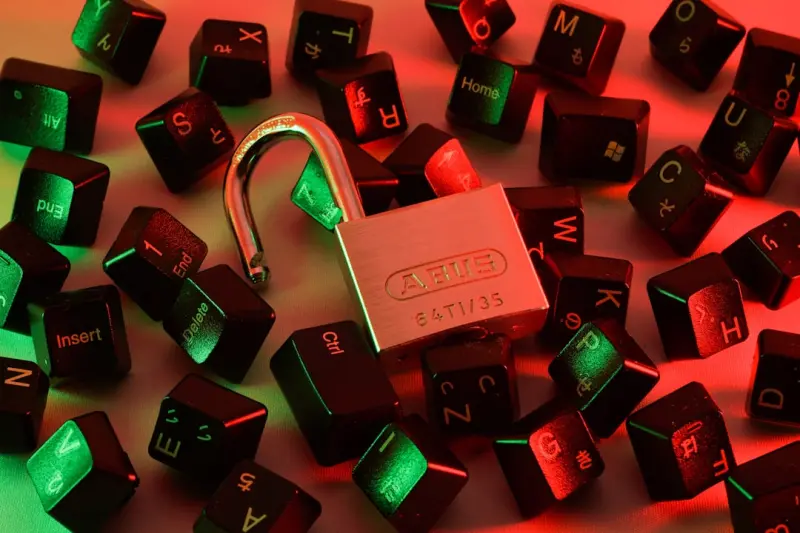
Remote work has shifted from a temporary accommodation to a permanent fixture in the modern enterprise. While this transformation has unlocked unprecedented flexibility and talent pools, it also rewrites the rules for protecting the intangible assets that fuel innovation—particularly trade secrets. In a world where a laptop can be anywhere from a kitchen table to a coffee shop, the traditional fortress of the office walls no longer shields critical information. Companies must rethink how they secure, monitor, and enforce trade secret rights across distributed workforces.
Why Trade Secrets Matter More Than Ever
Trade secrets encompass formulas, processes, customer lists, marketing strategies, and any proprietary knowledge that gives a business a competitive edge. Unlike patents, which require public disclosure, trade secrets remain confidential, providing indefinite protection so long as secrecy is maintained. In a remote setting, the very act of sharing files, collaborating on shared drives, and using personal devices can erode that confidentiality if not managed correctly.
The Remote Work Landscape: New Risk Vectors
Several factors amplify the exposure of trade secrets when employees work outside the corporate perimeter:
- Bring‑Your‑Own‑Device (BYOD) policies. Personal laptops and smartphones often lack the hardened security controls of corporate‑issued hardware.
- Cloud‑based collaboration tools. While they boost productivity, they also centralize valuable data in environments that may be accessed from any location.
- Geographic dispersion. Employees operating in multiple jurisdictions create a patchwork of legal regimes that can complicate enforcement.
- Informal communication channels. Instant messaging and informal video calls increase the chance that sensitive details are inadvertently disclosed.
- Employee turnover. Remote work can blur the lines of employment relationships, making it harder to track who has accessed what information.
Legal Foundations: What the Law Says
The primary legal scaffolding for trade secret protection in the United States includes the Uniform Trade Secrets Act (UTSA) adopted by most states and the federal Defend Trade Secrets Act (DTSA). Both statutes define a trade secret as information that derives independent economic value from not being generally known and for which reasonable measures have been taken to keep it secret.
Key legal takeaways for remote work environments are:
- Reasonable measures are fact‑specific. Courts look at the totality of circumstances—technical safeguards, contractual obligations, and employee training.
- Misappropriation can be both “acquisition” and “disclosure.” Even if an employee unintentionally shares a secret during a virtual meeting, the employer may have a claim if the sharing was unreasonable.
- Jurisdiction matters. The DTSA provides a federal cause of action, but state law still governs many aspects of the dispute, especially when cross‑border elements are involved.
Practical Steps to Fortify Trade Secrets Remotely
1. Tighten Contractual Controls
Non‑Disclosure Agreements (NDAs) and confidentiality clauses must be updated to reflect the realities of remote work. Consider adding provisions that:
- Specify permissible devices and platforms for accessing confidential data.
- Require encryption of all files before transmission.
- Outline clear reporting procedures for suspected breaches, even if they occur outside the office.
2. Implement Technical Safeguards
Technology alone cannot replace diligence, but it can dramatically reduce exposure:
- Endpoint security. Deploy a unified endpoint management (UEM) solution that enforces encryption, strong authentication, and remote wipe capabilities.
- Zero‑trust network architecture. Verify every access request, regardless of location, and grant only the minimal privileges needed for the task.
- Data loss prevention (DLP) tools. Monitor outbound traffic for patterns that suggest confidential information is leaving the organization.
- Version‑controlled document repositories. Store trade secret materials in repositories that log every view, edit, and download.
3. Segregate Sensitive Information
Not all data warrants the same level of protection. Adopt a tiered classification system:
- Tier 1 – Core secrets. Strictly limited to a small group of senior staff, stored on air‑gapped machines or highly restricted cloud segments.
- Tier 2 – Sensitive but less critical. Accessible to broader teams via controlled cloud folders with read‑only rights where possible.
- Tier 3 – Publicly shareable. Information that can be freely distributed without competitive harm.
Segregation not only limits exposure but also makes it easier to demonstrate that reasonable measures were taken, should a dispute arise.
4. Foster a Culture of Confidentiality
Legal and technical measures are only as effective as the people who follow them. Ongoing training should cover:
- The definition of a trade secret and why it matters.
- Best practices for handling confidential documents on personal devices.
- Recognition of social engineering attempts that target remote workers.
- Procedures for reporting suspicious activity promptly.
Embedding confidentiality into the company’s DNA reduces accidental disclosures and signals to courts that the organization took “reasonable measures” to protect its secrets.
5. Prepare for Employee Transitions
When a remote employee leaves, the risk of secret leakage spikes. A robust off‑boarding checklist should include:
- Revoking all access credentials immediately.
- Retrieving any company‑issued devices and confirming that corporate data has been wiped.
- Requiring a signed acknowledgment that all confidential materials have been returned or destroyed.
- Conducting an exit interview focused on confirming the employee’s understanding of ongoing confidentiality obligations.
6. Monitor and Enforce
Continuous monitoring is essential. While advanced analytics can flag anomalies, it is crucial to balance vigilance with employee privacy. Establish clear policies that define what monitoring is performed, why, and how the data will be used. When a breach is detected, act swiftly:
- Document the incident meticulously.
- Engage legal counsel to evaluate potential claims under the UTSA or DTSA.
- Consider cease‑and‑desist letters to the former employee and any third parties involved.
- Preserve all evidence for potential litigation.
Cross‑Border Complications
Remote teams often span multiple countries, each with its own trade secret regime. The European Union, for instance, has the Trade Secrets Directive, which aligns with the UTSA but imposes stricter procedural safeguards. Companies should:
- Map where employees are located and identify the applicable legal frameworks.
- Tailor NDAs and internal policies to meet the stricter standards of the most demanding jurisdiction.
- Consult local counsel before pursuing enforcement actions abroad.
Emerging Trends and Future Outlook
Even as remote work stabilizes, the threat landscape evolves. Some trends to watch include:
- Increased use of collaborative platforms. As these tools become more integrated, ensuring they support granular permission controls will be paramount.
- Growth of “virtual data rooms.” Specialized environments designed for secure document exchange are gaining traction among high‑risk industries.
- Legislative updates. Lawmakers are beginning to address the unique challenges of protecting trade secrets in a digitally distributed workforce, potentially introducing new compliance obligations.
Staying ahead requires a combination of proactive legal strategy, adaptive technology, and a workforce that understands the stakes.
Putting It All Together
Protecting trade secrets in a remote work environment is not a single‑step checklist; it is an ongoing program that blends contract law, cybersecurity, employee engagement, and cross‑jurisdictional awareness. By establishing clear policies, leveraging robust technical controls, and fostering a culture of confidentiality, companies can mitigate the heightened risks that come with a dispersed workforce.
For a deeper dive into related challenges, see this insightful analysis of how evolving employment structures influence legal risk. Additionally, the discussion in this post highlights the importance of safeguarding data pipelines—principles that are equally relevant when securing trade secrets.
In the end, the goal is simple: ensure that the brilliance of your organization’s ideas remains yours, no matter where your team logs in from.

Related Posts

Navigating the IP Minefield of Generative AI: What Creators and Companies Must Know
Generative AI challenges traditional IP concepts, from copyright to patents and trademarks. This art... Read More

Who Owns the Machine? Copyright in the Age of Generative AI
A deep dive into the copyright challenges of AI‑generated art, offering practical guidance for cre... Read More

When Third‑Party APIs Threaten Your Intellectual Property
Explore the often‑overlooked IP dangers of integrating third‑party APIs, from license terminatio... Read More
Top Posts

Why Conversational SEO Will Define SaaS Growth
Learn a step‑by‑step conversational SEO framework that transforms question‑based queries into featured snippets, voice answers, and chatbot insights, fuel...Read More

Step‑Parent Rights: Bridging the Legal Gap in Blended Families
Step‑parents play a vital role in modern families, yet the law often overlooks them. This article examines the legal gaps, financial implications, and proacti...Read More

Guarding Trade Secrets in a Remote‑First World
Learn essential steps for protecting trade secrets in remote teams, from airtight NDAs to tech safeguards and rapid breach response....Read More

When Your Face Becomes a Credential: Privacy Law Meets Workplace Facial Recognition
A deep dive into how facial recognition technology intersects with privacy law, offering practical guidance for businesses to stay compliant and respect employe...Read More
0 Comments
Post Comment
You will need to Login or Register to comment on this post!