
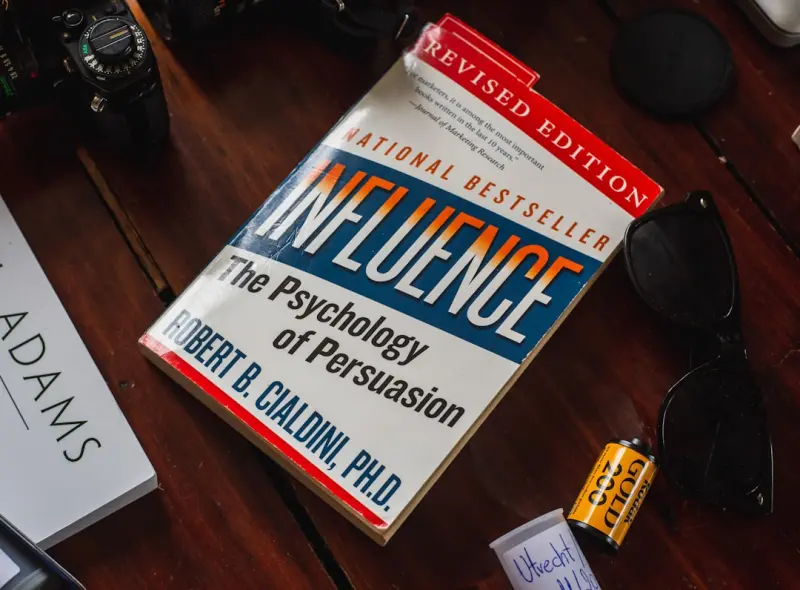
Why Influencers Need a Modern IP Playbook
In a world where a 15‑second clip can generate millions of views, creators are suddenly the owners of valuable digital assets that were once the domain of traditional media companies. Every meme, soundtrack snippet, and branded challenge carries the potential to be monetized, licensed, or, if left unprotected, appropriated by opportunistic third parties. Yet many influencers treat their content like fleeting moments rather than intellectual property worth defending, exposing themselves to infringement claims, loss of revenue, and reputational harm. Understanding the legal scaffolding that underpins copyrights, trademarks, and even emerging trade‑secret doctrines is now as essential as mastering the algorithm itself.
The Copyright Conundrum: From Reels to Remix Culture
Copyright law was designed for static works—books, paintings, recordings—but the rise of short‑form video has stretched its boundaries to the point of breaking. When an influencer posts a dance routine set to a popular song, they are simultaneously the author of the choreography and a licensee of the underlying music, creating a layered rights matrix that can collapse under a single DMCA takedown. Failing to obtain proper synchronization licenses or neglecting to credit the original composer can trigger costly disputes, especially when brands amplify the content through paid promotion. To stay ahead, creators should maintain a detailed rights inventory, secure blanket licenses where possible, and consider registering their original visual works with the Copyright Office to establish a public record of ownership.
Trademark Tactics for Personal Brands
Beyond the copyright realm, many influencers are effectively running a personal brand that rivals corporate entities in recognition and goodwill. Registering a trademark for a unique catchphrase, logo, or even a stylized username can prevent competitors from piggybacking on that equity, while also opening doors to licensing agreements and merchandise deals. However, the trademark process is riddled with pitfalls: descriptive terms, generic slogans, or overly broad claims can be rejected, and failing to monitor the market for infringing uses can erode protection over time. By conducting a thorough clearance search, filing a well‑crafted application, and establishing a vigilant enforcement strategy, creators can transform their social persona into a legally fortified asset that scales with their audience.
Brand Collaboration Contracts: The Hidden IP Clauses
When an influencer partners with a brand, the contract is often a blur of deliverables, timelines, and payment terms, but the real battle is fought in the fine print that governs ownership of the created content. Brands may demand exclusive rights, perpetual licenses, or even full transfer of copyright, which can lock the creator out of future uses of their own work. Conversely, influencers may inadvertently grant a brand the right to alter or sub‑license their material, creating a cascade of downstream IP exposure. It is crucial to negotiate clauses that delineate who owns the underlying footage, who controls the final edit, and how each party may exploit the content post‑campaign. Including a “right of first refusal” for future collaborations and a clear termination provision can preserve flexibility and protect long‑term revenue streams.
Defending Against Content Theft: Cease‑and‑Desist and DMCA Strategies
Even with registrations and contracts in place, influencers must stay vigilant against the inevitable wave of copycats who repost, remix, or outright steal their work. A well‑crafted cease‑and‑desist letter, tailored to the infringer’s jurisdiction and backed by solid evidence of ownership, often stops the infringement before it spreads further. In the digital arena, filing a DMCA takedown notice with platforms such as YouTube, TikTok, or Instagram can remove unauthorized copies swiftly, but the process demands precise identification of the infringing material and a clear statement of good‑faith belief. Moreover, repeated offenders may be subject to statutory damages, which can serve as a deterrent. Influencers should maintain a log of all infringements, including screenshots and URLs, to streamline the enforcement workflow.
Monetizing IP Through Licensing and Merchandising
Once an influencer’s IP portfolio is secured, the next logical step is to monetize it beyond ad revenue. Licensing agreements allow third parties—app developers, apparel companies, or gaming platforms—to use a creator’s signature phrases, visual motifs, or characters in exchange for royalties, creating a passive income stream that scales with brand exposure. Merchandising, on the other hand, leverages the influencer’s trademarked logos or slogans on physical goods, turning fan loyalty into tangible sales. Both avenues require clear licensing terms, royalty structures, and quality control provisions to ensure the brand’s reputation remains intact. By partnering with experienced IP attorneys or licensing agencies, creators can navigate complex negotiations and protect their rights while expanding their revenue horizons.
International Considerations for Global Audiences
Social media knows no borders, and an influencer’s audience often spans multiple legal jurisdictions, each with its own IP regime. While the United States follows a “first to publish” approach for certain works, Europe operates under a “first to file” system for trademarks, and countries like China have distinct registration requirements for foreign creators. Failing to secure protection in key markets can result in lost opportunities and the emergence of local imitators who exploit gaps in enforcement. Influencers should conduct a market‑priority analysis to identify regions where their fan base generates the most engagement and revenue, then file corresponding applications through mechanisms such as the Madrid Protocol for trademarks or the Berne Convention for copyrights. This proactive stance ensures that a creator’s rights travel with their content wherever it lands.
Future‑Proofing Your IP in the Age of AI‑Generated Remixing
Artificial intelligence tools now enable anyone to generate deep‑fakes, AI‑crafted music, or hyper‑realistic avatars that can mimic an influencer’s style with frightening accuracy. While this technology fuels creativity, it also blurs the line between original and derivative works, raising new infringement challenges that the courts are still grappling with. Influencers can future‑proof their IP by embedding digital watermarks, employing blockchain‑based provenance tracking, and establishing clear usage policies that address AI‑generated derivatives. Moreover, staying informed about evolving legislation—such as proposed AI‑authorship statutes—allows creators to adapt their protection strategies before the law catches up. By embracing both defensive and proactive measures, influencers can safeguard their brand against the inevitable tide of AI‑driven content creation.
Practical Steps to Build an IP‑Ready Influencer Business
Transforming a social media hobby into a legally robust enterprise begins with a systematic audit of existing assets. Creators should inventory every piece of original content, identify potential trademarks, and assess the contractual language in past brand deals for any hidden IP concessions. Next, engage an IP attorney to file necessary registrations, draft standard collaboration agreements, and set up monitoring tools for infringement detection. Leveraging resources such as intellectual property in virtual worlds can provide insight into emerging challenges, while semantic clustering for SEO helps creators protect their brand’s online presence through strategic keyword ownership. Finally, adopt a continuous education mindset—regularly review contract templates, stay current on international filing deadlines, and participate in industry workshops—to ensure the IP framework evolves alongside the ever‑shifting digital landscape.

Kris Kennel is a Paralegal outside of Austin, Texas where he spends most of his time helping users with legal matters that concern them. When he is not working he enjoys time with his wife and kids.
Related Posts
The Silent Threat: Trade Secret Leakage in Hybrid Workspaces
Hybrid work expands collaboration but also widens the attack surface for trade secret theft. This po... Read More

When Code Becomes Canvas: Copyright Challenges for AI‑Generated Art
AI‑generated art blurs the line between human creativity and machine output, raising tough questio... Read More
AI‑Generated Creativity: Crafting Copyright Strategies in the Age of Machine Art
Generative AI is redefining authorship and trademark protection. This post outlines the legal challe... Read More
Top Posts

When Insurers Cross the Line: A Deep Dive into Bad‑Faith Claims
Discover the warning signs of insurance bad faith, learn legal remedies, and protect your claims with proactive policy tactics....Read More

When the Dashboard Becomes a Target: Untangling Automotive Cybersecurity Liability
Modern vehicles are data platforms vulnerable to hacks, creating new legal liabilities. This post breaks down the emerging liability framework, regulatory trend...Read More

Divorce in the Digital Age: How Tech, Data, and Remote Work Are Redefining the Split
A deep dive into how technology—from crypto wallets to virtual hearings—has transformed divorce, offering actionable tips for navigating digital assets, rem...Read More
Beyond the Tracker: How Privacy Law is Evolving with Wearable Health Tech
A deep dive into the evolving privacy landscape for wearables, highlighting new rights, global regulations, and practical steps for businesses and users....Read More
0 Comments
Post Comment
You will need to Login or Register to comment on this post!