
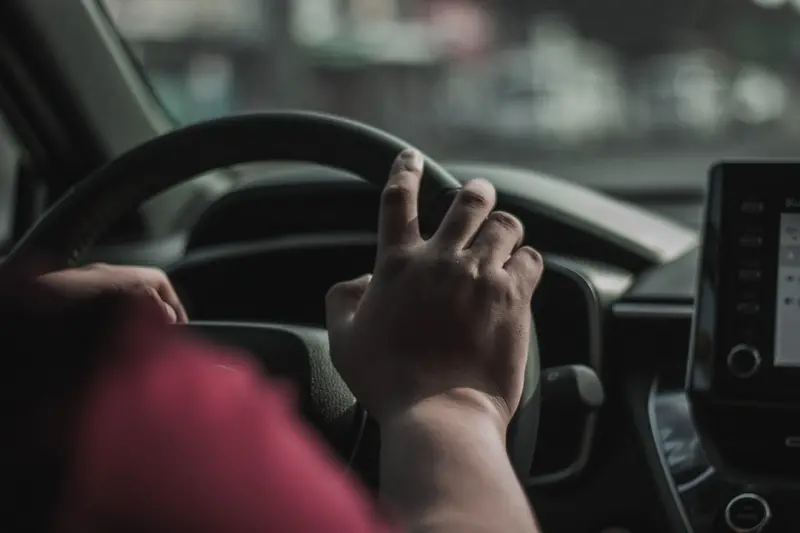
Impaired driving has long been framed as a binary problem: either you’re sober and safe, or you’re intoxicated and dangerous. The reality, especially for today’s hybrid and remote workforce, is far messier. Employees who once clocked in at a downtown office now log on from a kitchen table, but they still face the same end‑of‑day social gatherings, the same after‑work drinks, and the same temptation to hop behind the wheel. The twist? Their “commute” often starts and ends at the same address, and the lines between personal and professional liability are blurring faster than ever.
Why Remote Work Isn’t a Safe Harbor
When the pandemic forced millions to work from home, the industry narrative celebrated “no commute, no risk.” That was a comforting myth. In truth, remote workers still travel – to run errands, pick up kids, attend fitness classes, or meet friends for a quick drink after a video conference. The difference is that the context of those trips has shifted.
- Extended “Work Hours” – The traditional 9‑to‑5 boundary evaporates. A late‑night client call can turn into a midnight Uber ride home, with the driver (or passenger) still under the influence of caffeine, alcohol, or prescription meds.
- Home‑Based “Commutes” – Walking to the fridge, then to the driveway, then to the neighbor’s house—all count as movement that may be impaired by a glass of wine taken while reviewing a proposal.
- Employer Oversight Gaps – Managers can’t see who’s reaching for a drink while their screen shares a spreadsheet. The lack of a physical office makes it harder to spot risky behavior before it translates to a road hazard.
These nuances mean that the old compliance checklists—“no alcohol at the office, mandatory breathalyzer for company cars”—are insufficient. Companies need a strategy that addresses the entire ecosystem of employee movement, not just the office parking lot.
The Liability Labyrinth: Who’s Really on the Hook?
When an impaired‑driving accident involves a remote employee, the legal waters become murky. Courts are still wrestling with questions like:
- Is the employer liable if the employee was on a “work‑related” errand while intoxicated?
- Do corporate policies that prohibit alcohol consumption during virtual meetings extend to after‑hours video calls?
- How does the use of company‑provided ride‑share credits or vehicle subscriptions affect responsibility?
Recent case law suggests that the duty of care extends beyond the physical workplace. If a company explicitly encourages after‑hours networking over drinks—even virtually—it may be seen as facilitating the behavior that leads to impairment.
One way to mitigate exposure is to adopt a risk‑based approach that aligns policies with actual employee activities rather than outdated assumptions about “commuting.” This means redefining what constitutes a “work‑related” trip in the era of remote work.
Behavioral Economics: Nudging Safer Choices
Instead of relying solely on punitive measures, many forward‑thinking firms are turning to behavioral economics to influence decision‑making. The key is to make the safe choice the easy, obvious, and socially rewarded one.
Here are three tactics that have proven effective:
- Commitment Devices – Offer employees the option to lock their personal vehicle’s ignition remotely after a certain hour, paired with a small incentive (like a coffee voucher) for compliance.
- Social Norming – Publish anonymous data showing that “80% of our remote team logs off by 6 p.m. and opts for a non‑alcoholic beverage.” People naturally align with perceived norms.
- Immediate Feedback – Integrate smartphone reminders that pop up when GPS detects a user heading to a bar after a scheduled meeting, prompting a quick “Are you sure?” check.
These nudges work because they target the moment of decision, not the aftermath. When the temptation to grab a drink surfaces, a gentle reminder or a pre‑committed restriction can tip the scales toward safety.
Tech Tools That Complement, Not Replace, Human Judgment
While wearable tech and real‑time data streams have dominated the conversation (How Real‑Time Data Is Redefining Impaired Driving Prevention), the next frontier is integrating those tools with employee‑centric platforms that respect privacy while promoting safety.
Consider the following hybrid solutions:
- Consent‑Based Telemetry – Employees opt‑in to share limited driving data (speed, sudden stops) with the HR system, which then flags high‑risk patterns without exposing location history.
- AI‑Powered Risk Scoring – Algorithms analyze calendar events, travel logs, and even sentiment from chat tools to predict when an employee might be prone to impaired driving.
- Secure “Safety Hubs” – A virtual space where employees can request a rideshare, schedule a designated driver, or receive a discreet check‑in from a wellness coach after a virtual happy hour.
The goal isn’t surveillance; it’s empowerment. By giving employees easy, privacy‑first alternatives, companies can shift the narrative from “we’re watching you” to “we’ve got your back.”
Policy Overhaul: From Blanket Bans to Contextual Guidelines
A one‑size‑fits‑all rule—“no alcohol during work hours”—fails to address the complexity of remote work. Instead, policies should be contextual, clear, and actionable. Below is a sample framework:
- Define “Work‑Related Travel” – Any trip directly tied to a client meeting, on‑site service, or company‑mandated event, even if it occurs after 6 p.m.
- Set Impairment Thresholds – Use universally recognized standards (e.g., BAC 0.08%) and clarify that even prescription meds that impair driving fall under the same policy.
- Offer Safe‑Transport Alternatives – Provide rideshare credits, corporate shuttle subscriptions, or partnerships with local taxi services for any “work‑related” journey.
- Mandate Immediate Reporting – Require employees to self‑report any incident where they suspect impairment, with a non‑punitive approach focused on safety and remediation.
- Training & Education – Quarterly webinars that blend legal liability, health implications, and practical tips for safe commuting in a remote‑first world.
When employees see that the policy is built around realistic scenarios—not abstract ideals—they’re more likely to internalize it.
Insurance Innovations: Bridging the Coverage Gap
Traditional auto insurance policies often exclude coverage for incidents involving alcohol or drugs. However, newer “usage‑based” insurance models—sometimes called pay‑as‑you‑drive policies—adjust premiums based on real‑time driving behavior.
Companies can partner with insurers to offer:
- Embedded Impairment Riders – Add-ons that cover claims arising from impaired driving, provided the employee adhered to company safety protocols.
- Fleet‑Level Telemetry Discounts – Reduced rates for fleets (including employee‑owned vehicles) that share anonymized safety data.
- Employee Wellness Bundles – Packages that combine health coverage, counseling services, and safe‑transport benefits, reinforcing the message that health and safety are interconnected.
These options not only protect the bottom line but also signal a proactive stance on employee well‑being.
Looking Ahead: The Role of Legislation and Industry Standards
Policymakers are beginning to recognize that remote work isn’t a loophole for impaired‑driving laws. Some jurisdictions are drafting legislation that extends employer liability to “off‑premises” activities when they’re deemed work‑related. Industry bodies are also drafting best‑practice guidelines that address the unique challenges of a dispersed workforce.
Staying ahead means monitoring regulatory developments and participating in industry forums. Companies that help shape these standards will not only reduce risk but also position themselves as leaders in responsible employment practices.
Putting It All Together: A Roadmap for Leaders
To translate these insights into action, leaders can follow a three‑phase roadmap:
- Assess – Conduct a thorough audit of current policies, employee travel patterns, and existing tech tools. Identify gaps where remote work creates new impairment risks.
- Implement – Roll out contextual policies, integrate consent‑based telemetry, and establish partnerships with rideshare and insurance providers. Communicate changes through interactive training sessions.
- Iterate – Use data (while respecting privacy) to refine nudges, update risk scores, and adapt policies as remote work evolves. Celebrate successes publicly to reinforce positive behavior.
By treating impaired driving as a dynamic, ecosystem‑wide issue—rather than a static office problem—companies can protect their employees, their reputations, and their bottom lines.
For a deeper dive into how data is reshaping prevention strategies, check out Beyond Breathalyzers: How Wearable Tech is Shaping Impaired Driving Accountability. And if you’re curious about the broader conversation around workplace responsibility, the piece Why Companies Must Own the Conversation on Impaired Driving After Office Hours offers valuable context.

Kris Kennel is a Paralegal outside of Austin, Texas where he spends most of his time helping users with legal matters that concern them. When he is not working he enjoys time with his wife and kids.
Related Posts

How Community Storytelling Can Turn the Tide on Impaired Driving
Personal stories and community sharing offer a fresh weapon against impaired driving, turning statis... Read More

How Real-Time Telemetry Can Cut Impaired Driving Risks for Fleets
A deep dive into using real‑time telemetry, biometric sensors, and proactive response loops to pre... Read More

How Ride‑Share Platforms Can Lead the Fight Against Impaired Driving
Ride‑share platforms hold a unique position to prevent impaired driving through data‑driven dete... Read More
Top Posts

Insurance Law in 2026: Navigating AI, Climate Risk, and the Personalized Policy Revolution
In 2026 insurance law is being rewritten by AI, climate change, and tech‑driven personalization. Kris Kennel breaks down the trends, legal challenges, and pra...Read More

Why Structured Data Is Your New SEO Superpower
Structured data has become essential for modern SEO, especially as AI-generated search results dominate. This post explains why schema markup matters, how to im...Read More

Beyond Keywords: Harnessing Search Intent Graphs for B2B SaaS Growth
In this deep dive, Margaret Strawbridge explains why traditional keyword lists are outdated and introduces search intent graphs—a data‑driven framework that...Read More

The Shifting Tides of Family Law: Navigating Trends, Challenges, and Insights
The field of family law is constantly evolving, influenced by changing societal norms, advances in technology, and shifting cultural values. Learn how to naviga...Read More
0 Comments
Post Comment
You will need to Login or Register to comment on this post!