
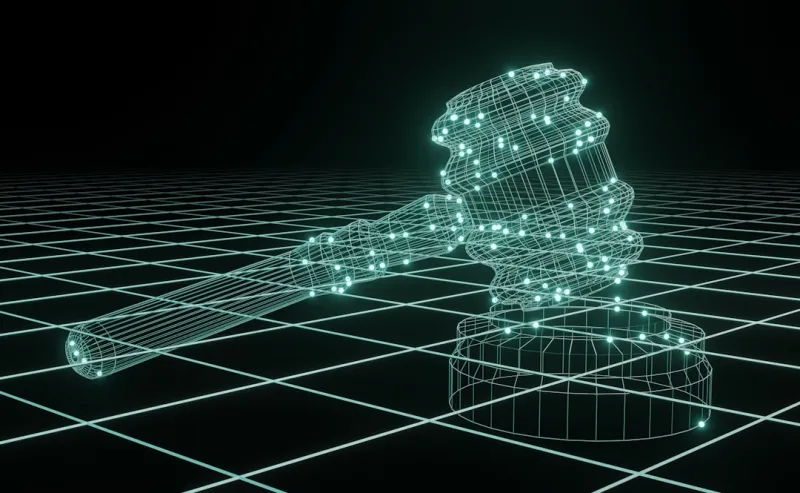
When I first stepped into the courtroom a decade ago, the only “digital” evidence I could summon was a grainy surveillance tape. Today, I find myself drafting motions that reference blockchain ledgers, AI‑generated risk assessments, and even emojis exchanged on a messaging app. The law is no longer a static set of statutes; it is a living organism that adapts to the relentless pulse of technology. As a practitioner who has watched the legal landscape morph from paper‑bound briefs to cloud‑based collaboration, I can attest that the most pressing challenge is not the tools themselves, but how we, the lawyers, choose to wield them. Understanding the intersection of law and technology is no longer optional—it is the new baseline for competent representation.
Divorce in the Digital Era: More Than Just a Split Screen
The pandemic accelerated the migration of marital disputes onto digital platforms, turning what used to be a private, in‑person negotiation into a complex, data‑driven process. Couples now grapple with questions about who owns a shared cryptocurrency wallet, how to divide a SaaS subscription, and whether a TikTok video can be considered marital property. The emotional weight of separation is amplified when every swipe, like, and comment becomes potential evidence. For a deeper dive into these nuances, see Divorce in the Digital Age: Navigating Tech, Assets, and Emotions. In practice, I have observed judges demanding forensic accountants who can trace digital footprints, while also urging parties to adopt collaborative tools that reduce adversarial posturing. The result is a more transparent, albeit technically demanding, dissolution process that requires lawyers to become part‑time tech consultants.
When Vows Meet Algorithms: Redefining Marriage Law
Imagine a marriage contract that updates itself as your joint net worth fluctuates, or one that auto‑adjusts alimony based on real‑time income data pulled from payroll APIs. This is no longer speculative fiction; startups are already piloting “smart” prenuptial agreements that embed conditional clauses triggered by blockchain events. Such innovations force us to reconsider the very definition of consent, capacity, and fairness. As I counsel clients eager to lock in their digital assets, I often reference the thought‑provoking piece When Vows Meet Algorithms: The New Frontier of Marriage Law. The challenge lies in balancing automation with human judgment—ensuring that an algorithm does not override nuanced equitable considerations that a judge would traditionally weigh. While these tools promise efficiency, they also raise red‑flag questions about privacy, data security, and the potential for bias baked into the code.
Child Custody in a Connected World
Child custody battles have always hinged on the “best interests of the child,” but the definition of “best interests” now includes a child’s digital footprint. Courts are increasingly asked to evaluate screen‑time logs, social media interactions, and even AI‑generated educational assessments when determining custody arrangements. Parents may present evidence of a child’s virtual tutoring success, while opponents argue that excessive online exposure is detrimental. This digital dimension adds layers of complexity, requiring lawyers to become adept at interpreting data analytics reports. Moreover, the rise of virtual visitation—where a non‑custodial parent participates in a child’s life via video calls—has sparked debates about the adequacy of such arrangements in fostering genuine parent‑child bonds. As we navigate these uncharted waters, the legal community must develop standards that respect both technological realities and the timeless need for emotional connection.
Employment Law: Remote Work, AI, and the Gig Economy
The workplace has been irrevocably altered by remote work platforms, AI‑driven performance monitoring, and the surge of gig‑based labor. Employees now sign contracts that stipulate continuous webcam surveillance, while employers rely on algorithms to allocate tasks and assess productivity. These shifts raise critical questions about privacy, discrimination, and the right to disconnect. For a comprehensive overview, consult Navigating the New Wave of Employment Law: Remote Work, AI, and the Gig Economy. In my practice, I have seen disputes where workers allege that AI‑generated performance scores were used to justify termination without transparent methodology. The law must evolve to require explainability in algorithmic decisions, enforce reasonable work‑hour limits, and protect gig workers from misclassification. As technology continues to blur the lines between employer and employee, the doctrine of “employment at will” may need a modern reinterpretation that safeguards human dignity.
Criminal Law on the Digital Frontier
Cybercrime has expanded the definition of illegal conduct beyond physical acts to include data breaches, ransomware attacks, and deep‑fake impersonations. Prosecutors now harness digital forensics to trace the origin of a malicious code, while defense attorneys challenge the admissibility of metadata that could be tainted by improper collection. The legal system is racing to keep pace with the speed at which new threats emerge, often relying on statutes that were drafted before the internet existed. The tension between national security interests and individual privacy rights has never been more pronounced, especially as governments deploy AI surveillance tools that can predict criminal behavior before a crime is committed. This speculative policing raises profound constitutional questions that demand careful judicial scrutiny.
Automotive Law: The Rise of Autonomous Vehicles
Self‑driving cars promise to reduce accidents, but they also introduce a labyrinth of liability questions. When an autonomous vehicle is involved in a collision, who bears responsibility—the manufacturer, the software developer, or the vehicle’s owner? Courts are beginning to dissect the “black box” data, much like they do with aircraft, to determine causation. In parallel, regulators are drafting standards for over‑the‑air updates, data privacy, and cybersecurity safeguards to prevent malicious hacking. As I advise clients ranging from rideshare companies to insurance firms, I emphasize the need for clear contractual language that delineates risk allocation. The convergence of automotive innovation and legal frameworks is creating a new sub‑field that demands interdisciplinary expertise.
Insurance Law: Tech‑Enabled Risk Management
Insurance providers are leveraging AI to price policies with unprecedented precision, using data points such as wearable health metrics, driving behavior, and even social media sentiment. While this hyper‑personalization can reward low‑risk consumers with lower premiums, it also raises concerns about discrimination and the erosion of actuarial fairness. Policyholders are increasingly demanding transparency about the algorithms that determine their coverage eligibility. In response, legislators are considering “algorithmic accountability” statutes that would require insurers to disclose the key variables influencing underwriting decisions. The industry must balance innovation with equity, ensuring that technology enhances—not undermines—consumer protection.
Looking Ahead: A Call for Ethical Tech Integration
The legal profession stands at a crossroads where embracing technology is essential, yet unchecked adoption can erode core principles of justice. We must champion ethical AI, demand transparency in algorithmic decision‑making, and cultivate a new generation of lawyers fluent in both law and code. By fostering interdisciplinary collaborations with technologists, ethicists, and policymakers, we can shape a future where digital tools augment human judgment rather than replace it. As we continue to write the next chapter of law in the digital age, let us remember that the ultimate goal remains unchanged: to protect rights, resolve disputes, and uphold the rule of law in an ever‑evolving world.

Related Posts

Navigating the Digital Divide: How Technology Is Redefining Modern Law
A deep dive into how technology—from AI risk models to virtual hearings—transforms every facet o... Read More
Deepfake Dilemmas: How the Law is Racing to Catch Synthetic Media
Deepfake technology is reshaping truth. This post untangles the legal maze, highlighting current law... Read More
Synthetic Media and the Law: Guarding Reputation in the Age of Deepfakes
Deepfakes threaten reputations, elections, and commerce. This article breaks down the legal challeng... Read More
Top Posts

Modern Child Custody in 2026: Tech, Empathy, and the Path to Cooperation
A 2026 guide to child custody that blends AI‑driven tools, empathetic mediation, and flexible financial planning—empowering families to prioritize kids over...Read More

Riding the Wave: How Real‑World SEO Strategies Thrive in an AI‑Driven World
Explore the shift to AI‑powered SEO, master semantic strategies, and future‑proof your rankings with practical, data‑driven tactics....Read More

Rebuilding Wealth After Divorce: A Modern Playbook
Divorce can feel like a financial cliff, but with a forensic audit, strategic income diversification, and modern legal tools, you can rebuild wealth and gain la...Read More

The Intersection of Automotive Law and Family Dynamics: A Complex Web of Liability
The intersection of automotive law and family dynamics is a complex area that requires a deep understanding of both fields. Learn how family relationships impac...Read More
0 Comments
Post Comment
You will need to Login or Register to comment on this post!