
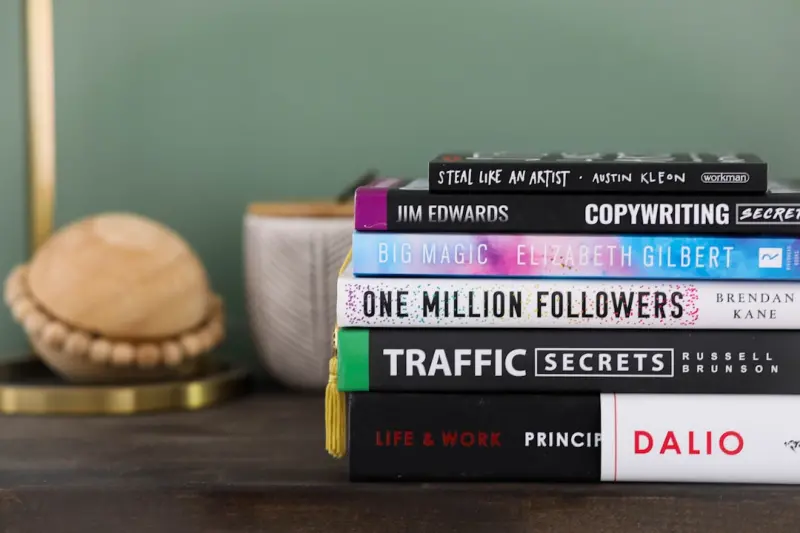
Why Influencer Partnerships Have Become the New IP Frontier
In an era where a single TikTok clip can eclipse a multimillion‑dollar ad campaign, the line between personal expression and commercial property is blurring faster than any courtroom can keep pace; this convergence forces creators, brands, and legal counsel to rethink who truly owns the spark that ignites consumer interest. Intellectual property rights that once lived comfortably within the realms of patents and trademarks now drift into the glossy, fast‑moving world of sponsored posts, affiliate links, and viral challenges, demanding a fresh legal lens. As a result, every influencer collaboration becomes a micro‑enterprise where rights, royalties, and reputational stakes intersect, and missteps can quickly spiral into costly disputes that echo beyond the digital sphere.
The Hidden Cost of “Freebies” and “Exposure” Clauses
Many creators are lured by the promise of free products or the seductive mantra “exposure is payment,” yet these seemingly innocuous offers can unintentionally transfer ownership of original content to the sponsoring brand, especially when no explicit licensing language is inserted into the agreement. When a brand claims exclusive rights to a photo that was originally taken on a creator’s personal device, the creator may lose the ability to repurpose that same image for future collaborations, effectively eroding their own portfolio value. Understanding the subtle shift from a simple gift to a binding intellectual property assignment is the first line of defense against losing control over one’s creative assets.
Contractual Pitfalls That Even Seasoned Creators Overlook
Standard influencer contracts often hide clauses that grant the brand a perpetual, worldwide, royalty‑free license to all content produced, without specifying usage limits, platform scopes, or time frames, turning a short‑term campaign into a long‑term drain on the creator’s earnings. Moreover, many agreements neglect to address derivative works, leaving the brand free to remix, re‑edit, or even translate the original post without additional compensation, a scenario that can quickly multiply the creator’s loss across multiple markets. To avoid these traps, influencers should demand clear language that defines the exact rights granted, the duration of those rights, and any revenue‑sharing models for future exploitation, thereby preserving the ability to monetize their own work long after the initial partnership ends.
Who Owns the Story: Brand‑Generated Concepts vs. Creator‑Generated Execution
When a brand supplies a detailed brief, storyboard, or even a proprietary hashtag campaign, the intellectual property of the underlying idea may remain with the brand, while the creator’s execution—camera work, editing style, and personal flair—remains theirs, creating a dual‑ownership puzzle that requires careful delineation in the contract. If the brand’s concept is not explicitly protected, the creator could inadvertently claim ownership over the entire campaign, opening the door for the brand to allege infringement if the influencer reuses the concept elsewhere. A balanced agreement should therefore allocate idea ownership to the brand and execution rights to the influencer, with clear provisions for joint use when the two elements intertwine.
Licensing Models That Empower Both Parties
Rather than an outright transfer of rights, many savvy influencers and brands now opt for tiered licensing structures that allow limited, purpose‑specific usage—such as a six‑month social media run‑time on Instagram and TikTok, with an option to extend for additional fees—thereby retaining the creator’s control while giving the brand the flexibility it needs for a focused campaign. Some agreements even incorporate revenue‑share clauses, where the influencer receives a percentage of sales directly attributable to the content, aligning incentives and turning the partnership into a true joint venture rather than a one‑way transaction. By embracing these nuanced licensing frameworks, both sides can protect their intellectual property portfolios while fostering a collaborative spirit that fuels future projects.
Platform Terms of Service: The Unseen IP Arbiter
Social media platforms embed their own licensing rules within their terms of service, often granting the platform a broad, irrevocable license to use, modify, and distribute any content uploaded, which can clash with the private agreements between influencer and brand if not carefully reconciled. For example, TikTok’s “content creation license” may allow the platform to repurpose an influencer’s sponsored video in promotional materials, potentially undermining the exclusivity promised to the sponsoring brand. Creators must therefore conduct a thorough audit of each platform’s policies and embed carve‑outs in their contracts that preserve their own licensing rights and respect the brand’s expectations for exclusivity.
Real‑World Illustrations: Lessons From Recent Disputes
Consider the recent clash where a lifestyle influencer’s post, originally intended for a limited‑run campaign, was repurposed by the brand in a global ad series without additional compensation, prompting a lawsuit that hinged on ambiguous licensing language; the court ultimately sided with the influencer, underscoring the necessity of precise contractual definitions. Similarly, a tech reviewer found that a brand had incorporated snippets of his uncredited review into a product launch video, violating both his moral rights and the AI‑generated creations policy that treats derivative works as separate assets. These cases illustrate how overlooking a single clause can cascade into multi‑million‑dollar disputes, reinforcing the importance of proactive IP planning.
Future‑Proofing Influencer Agreements in a Rapidly Evolving Landscape
As emerging technologies like deepfakes and synthetic media begin to infiltrate influencer content, contracts will need to address the ownership and permissible use of AI‑enhanced visuals, ensuring that creators retain control over any digitally altered versions of their likenesses. Additionally, the rise of decentralized social networks introduces new jurisdictional challenges, requiring clauses that specify governing law and dispute‑resolution mechanisms adaptable to cross‑border digital ecosystems. By embedding forward‑looking provisions that anticipate these technological shifts, both influencers and brands can safeguard their intellectual property against unforeseen legal turbulence.
Actionable Checklist for Protecting IP in Influencer Deals
Start every partnership by drafting a clear statement of ownership that separates brand ideas from creator execution; define the scope, duration, and geographic reach of any license, and include explicit compensation for any extended or derivative use. Conduct a platform‑terms audit to ensure no conflict with private agreements, and negotiate revenue‑share or renewal options that reflect the ongoing value of the content. Finally, retain a legal advisor familiar with both IP law and digital media contracts to review all clauses, ensuring that the final document protects your creative assets while honoring the brand’s marketing objectives.

Related Posts
Safeguarding AI‑Generated Creations: An IP Playbook for the Modern Innovator
A deep dive into the unique intellectual‑property challenges posed by AI‑generated works, offeri... Read More
Design Patents and Trade Dress: Protecting the Look and Feel of SaaS Interfaces
A deep dive into how SaaS companies can use design patents, trade dress, and copyright to protect th... Read More

Voice‑First Brands: Trademark Strategies for the Sound‑Driven Marketplace
This post explores the rising importance of sound marks for voice‑first platforms, offering practi... Read More
Top Posts

Driving Into the Future: Legal Challenges of Car Subscription Services
Car subscriptions are reshaping mobility, but they bring complex legal hurdles. This article breaks down contracts, insurance, data privacy, and IP concerns, of...Read More
Divorce in 2026: Navigating Tech, Empathy, and New Norms
Divorce in 2026 blends AI mediation, updated family‑law statutes, and digital tools, creating both challenges and opportunities for a more humane, efficient s...Read More

The Quiet Invasion: How Employee Monitoring Is Redefining Workplace Rights
A deep dive into the legal challenges of modern employee monitoring, offering practical guidance on privacy, consent, AI bias, and future‑proof compliance for...Read More
Beyond Patents: Crafting a Modern IP Playbook for Digital Innovators
Explore a fresh IP strategy that blends patents, trade secrets, open‑source licensing, and blockchain tools, giving digital innovators the edge they need to p...Read More
0 Comments
Post Comment
You will need to Login or Register to comment on this post!