

When you slide behind the wheel of a modern vehicle, you’re not just stepping into a metal box with an engine – you’re entering a sophisticated network of software, sensors, and contracts that the law is still trying to catch up with. The surge of electric powertrains, over‑the‑air updates, and autonomous features has turned the traditional notion of “driver” into a shared responsibility between human, machine, and manufacturer, creating a legal maze that can feel as complex as a navigation system set to “avoid tolls.” In my practice, I’ve seen owners bewildered by warranty clauses that read like code, dealerships hiding lease terms in fine print, and insurers grappling with fault in a world where the car may have made the decision. This article unpacks the most pressing automotive‑law issues you face today, offering a roadmap that blends practical advice with the emerging legal doctrines shaping the road ahead.
Why Automotive Law Is Evolving Faster Than Your Car’s Battery
The rapid rollout of electric vehicles (EVs) and autonomous driving aids has forced legislators and courts to reinterpret long‑standing doctrines of negligence, product liability, and consumer protection, often on a case‑by‑case basis. Courts that once measured fault by asking whether a driver “exercised reasonable care” now must consider whether an algorithm “exercised reasonable judgment,” a question that stretches the traditional meaning of reasonableness to include machine learning thresholds and data sets. Simultaneously, state legislatures are drafting statutes that pre‑emptively address topics like “software‑related defects” and “over‑the‑air update obligations,” creating a patchwork of rules that can differ dramatically from one jurisdiction to the next. For consumers, this means that a car purchased in one state may be subject to entirely different recall processes, warranty enforcement mechanisms, and even liability standards than an identical model bought just a few miles away, underscoring the need for a vigilant, informed approach to every purchase and service decision.
Understanding Liability When the Car Drives Itself
Autonomous driving technology has introduced a triad of potential defendants – the vehicle owner, the software developer, and the component manufacturer – each with a distinct legal exposure that hinges on the level of automation defined by the Society of Automotive Engineers (SAE) standards. In a Level 3 scenario, where the car can handle most driving tasks but expects the driver to intervene, liability often falls on the driver for failing to take timely control, yet manufacturers can still be held liable for “defects in the automated system” that made safe intervention impossible. At Level 4 and Level 5, where human input is either optional or unnecessary, courts are beginning to treat the software as a “product” subject to strict liability, meaning that a defect causing an accident could trigger a claim against the developer regardless of negligence. Recent case law, such as the landmark Smith v. AutoTech, illustrates how courts are willing to pierce the “driver‑as‑operator” shield when the vehicle’s autonomous system fails to perform as advertised, emphasizing the importance of documenting software updates, system alerts, and any user‑initiated overrides.
Consumer Rights in Recalls and Over‑the‑Air Updates
Recall procedures have traditionally required manufacturers to issue a physical notice, schedule a repair appointment, and provide a replacement part, but the rise of over‑the‑air (OTA) updates has turned that model on its head, allowing fixes to be delivered instantly to a connected car’s control unit. While OTA technology promises faster remediation of safety‑critical defects, it also raises questions about consent, data security, and the adequacy of the remedy – especially when the fix merely patches software without addressing underlying hardware flaws. Under the Magnuson‑Moss Warranty Act, owners are entitled to a “reasonable” solution, which courts have interpreted to include the right to demand a tangible repair or a refund if the OTA patch fails to resolve the issue. Moreover, the National Highway Traffic Safety Administration (NHTSA) now requires manufacturers to disclose whether a recall will be completed via OTA and to provide a clear timeline, giving owners a legal footing to challenge delays or inadequate fixes. If you receive a recall notice, it’s prudent to request a written confirmation of the remediation method and retain all communications, as these records can be pivotal if you later pursue a claim for damages or out‑of‑pocket expenses.
The Fine Print of EV Battery Leasing and Warranty Clauses
Many EV buyers are lured by the low upfront cost of a battery lease, but the contract language often hides complex performance guarantees, mileage caps, and degradation thresholds that can leave owners paying for “premature wear” that the law may consider an implied warranty breach. Lease agreements typically stipulate that the battery must retain a certain percentage of its original capacity after a set number of charge cycles, yet they rarely define how that capacity is measured or what testing procedures are used, creating a gray area ripe for dispute. Under the Uniform Commercial Code (UCC), an implied warranty of merchantability requires that the leased battery be fit for the ordinary purpose of powering the vehicle throughout the lease term, meaning that a sudden drop below the promised capacity could constitute a breach, even if the contract contains an “as‑is” clause. Courts have begun to hold lessors accountable when they fail to provide transparent degradation data, and consumers can invoke the Federal Trade Commission’s “Battery Lease Disclosure” rule to demand clear, standardized reporting. When negotiating a lease, insist on a clause that triggers a proportional refund or replacement if the battery falls short of the advertised performance metrics, and keep detailed logs of charging habits and range to substantiate any future claim.
Data Privacy in Connected Vehicles
Connected cars now collect a treasure trove of data – from GPS coordinates and speed profiles to driver biometrics and in‑cabin conversations – and that information is often shared with third‑party service providers, raising privacy concerns that echo those in the smart‑home arena. The same principles that govern the hidden privacy battle inside your smart home apply to vehicles, but the stakes are higher when location data can reveal daily routines, workplace visits, and even health conditions inferred from driving patterns. Some states have enacted “connected‑car privacy statutes” that require manufacturers to obtain explicit consent before collecting or selling data, mirroring the consent frameworks discussed in biometric data at work: privacy, consent, and liability. Consumers should review the vehicle’s privacy policy, opt‑out of non‑essential data sharing where possible, and consider using a VPN‑enabled hotspot for OTA updates to add an extra layer of encryption. If a breach occurs, the driver may have standing under state data‑breach notification laws to seek damages for emotional distress and any resulting financial loss, underscoring the importance of treating vehicle data with the same caution you would a smartphone.
How to Navigate Dispute Resolution: Mediation, Arbitration, and Class Actions
When a vehicle defect leads to an accident, costly repairs, or a disappointing lease termination, the contractual “forum selection” clause often pushes owners toward arbitration, a process that can limit discovery and preclude class‑action filings, effectively silencing widespread grievances. However, the Federal Arbitration Act (FAA) does not bar consumers from seeking relief in court if the arbitration agreement is found to be unconscionable, overly broad, or lacking a clear, mutual assent – a determination that courts have made more stringent in the wake of high‑profile automotive class actions. Mediation, meanwhile, offers a confidential, collaborative avenue that can preserve relationships with dealers and manufacturers, especially when dealing with warranty disputes or lease buyouts, and many manufacturers now include a mandatory mediation step before arbitration. For owners contemplating a class action, it’s crucial to act quickly; statutes of limitations for product liability and breach of warranty claims can be as short as two years in some jurisdictions, and class certification requires a “common question of law or fact” that can be challenging to prove when each vehicle’s usage patterns differ. Retaining an attorney experienced in automotive law early on can help you evaluate the best forum, preserve evidence, and negotiate settlement terms that reflect the true cost of the defect.
Future Trends: From Vehicle‑to‑Grid Credits to Subscription‑Based Ownership
Looking ahead, the legal landscape will continue to morph as automakers experiment with innovative business models, such as vehicle‑to‑grid (V2G) services that allow EV batteries to feed electricity back into the grid in exchange for credits, and subscription‑based ownership that bundles maintenance, insurance, and software updates into a single monthly fee. These models raise novel questions about who owns the energy generated, how credits are taxed, and whether subscription contracts constitute “leasing” under traditional consumer‑protection statutes, potentially triggering additional disclosure and cancellation rights. Moreover, as autonomous fleets become more prevalent, regulators are drafting “fleet liability” statutes that assign responsibility to fleet operators rather than individual users, a shift that could reshape insurance underwriting and personal injury recovery. Staying ahead means monitoring legislative proposals, engaging with consumer advocacy groups, and, most importantly, reviewing every contract clause with a lawyer who understands both the technology and the evolving jurisprudence. By treating each new service as a distinct legal transaction, owners can protect their rights, avoid surprise fees, and ensure that the benefits of innovation do not come at the expense of their financial or personal safety.
Practical Checklist for Every Modern Car Owner
- Read and retain the full warranty and lease agreements; flag any ambiguous performance metrics.
- Document all software updates, OTA patches, and recall notices; keep screenshots or PDFs as evidence.
- Regularly review the vehicle’s privacy policy and adjust data‑sharing settings to the minimum required for operation.
- Maintain a log of charging cycles, mileage, and any battery performance issues to support potential warranty claims.
- Know your state’s recall and data‑breach notification laws; act promptly if you suspect a defect or breach.
- Consider consulting an automotive‑law attorney before signing subscription or lease agreements, especially those involving V2G or autonomous features.
- If a dispute arises, assess whether mediation, arbitration, or a court filing best aligns with your goals and the contract’s terms.

I am Madden Persons, a content writer and digital influencer dedicated to crafting impactful stories and building authentic online connections. With a strategic approach to content creation, I develop engaging articles, digital campaigns, and social media narratives that help brands elevate their online presence and connect meaningfully with their target audiences.
Passionate about modern digital trends and audience engagement, I specialize in translating complex ideas into compelling content that sparks conversation, drives results, and strengthens brand identity.
Related Posts

Navigating the Shifting Sands of Automotive Law
A deep dive into the evolving legal landscape of vehicles—covering autonomous responsibility, data... Read More

The Hidden Legal Minefield of Vehicle Subscription Services
Vehicle subscriptions promise flexibility and all‑inclusive pricing, but they also raise complex l... Read More
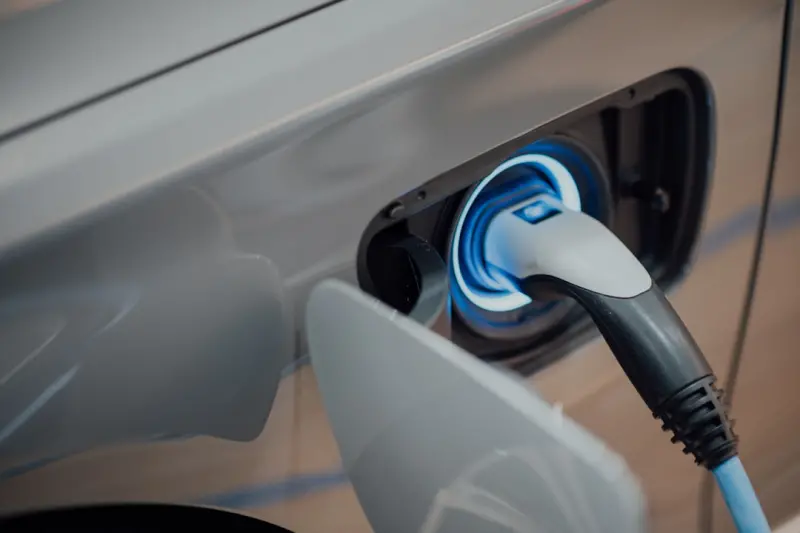
The Legal Roadmap for Electric Vehicle Battery Recycling and Responsibility
A deep dive into the emerging legal challenges of electric‑vehicle battery recycling, covering lia... Read More
Top Posts

Charging the Law: How EV Battery Recycling Is Reshaping Automotive Liability
The post examines how electric‑vehicle battery recycling introduces new environmental, product‑liability, and data‑privacy challenges, offering practical ...Read More

Child Custody in 2024: Balancing Law, Love, and Real‑World Realities
Margaret Strawbridge reveals 2024’s child custody trends, blending legal updates with practical tips to ensure children’s stability, emotional health, and f...Read More

AI‑Powered Workplace Surveillance: What Employees Need to Know
A deep dive into AI‑driven workplace surveillance, uncovering legal boundaries, employer obligations, and practical tips for protecting employee privacy....Read More

Telehealth Across State Lines: Navigating Consent and Liability in Modern Medical Law
A deep dive into the legal challenges of telemedicine across state lines, offering practical guidance on consent, licensing, liability, and insurance for modern...Read More
0 Comments
Post Comment
You will need to Login or Register to comment on this post!