

Why Insurance Law Is the Pulse of Modern Risk Management
When I first stepped into the courtroom, the sheer complexity of an insurance dispute felt like navigating a maze built from policy language, actuarial tables, and the ever‑shifting expectations of society. Over the years I’ve watched the field evolve from static, one‑size‑fits‑all contracts to dynamic instruments that must respond to everything from cyber‑attacks to unprecedented weather events. Today, insurance law sits at the intersection of public policy, private profit, and personal protection, making it a vital arena for anyone who cares about how risk is allocated and mitigated in our communities.
The Climate Crisis Is Redefining Coverage Obligations
One of the most profound changes I’ve observed is the way climate risk is reshaping underwriting standards and claim litigation. Insurers are no longer content to rely on historical loss data; they are incorporating sophisticated climate models that predict flood zones, wildfire corridors, and even the financial fallout of a rising sea level. This shift forces policyholders to ask harder questions about the adequacy of their coverage, while courts grapple with interpreting clauses that were never designed for 21st‑century environmental realities. For practitioners, staying ahead means mastering both the science of climate projections and the legal doctrines that determine liability when nature’s fury collides with contractual language.
Artificial Intelligence Is Turning Data Into Decision‑Making Power
Artificial intelligence has moved from the realm of speculative tech talk into the daily workflow of insurers, and I have seen first‑hand how algorithms are now underwriting risk, flagging fraud, and even drafting policy language. These tools can analyze millions of data points in seconds, revealing patterns that human actuaries might miss, but they also raise new legal questions about transparency, bias, and the duty of care owed to insureds. As we integrate AI deeper into the insurance lifecycle, courts are beginning to test whether an algorithmic decision can be held to the same standard of reasonableness as a human underwriter, especially when a claim is denied based on a “black‑box” assessment.
Personalized Coverage Is Making Policies More Consumer‑Centric
The era of blanket policies is fading, replaced by hyper‑personalized coverage that adapts to an individual’s lifestyle, digital footprint, and even health metrics. I’ve advised clients on policies that adjust premiums in real time based on telematics data from a driver’s smartphone or wearable health devices, creating a feedback loop that rewards low‑risk behavior. While this innovation promises lower costs and greater relevance, it also opens the door to disputes over data ownership, consent, and the accuracy of the metrics used to price risk. Practitioners must be vigilant in drafting clear consent provisions and ensuring that any data‑driven adjustments comply with privacy statutes and the fundamental principles of good‑faith underwriting.
Litigation Trends: From Class Actions to Specialty Courts
Recent case law shows a surge in class‑action suits targeting insurers for alleged bad‑faith practices, especially in the wake of large‑scale disasters. At the same time, specialty courts—such as the emerging Insurance Dispute Tribunal in several jurisdictions—are being designed to resolve these matters more efficiently, with judges possessing deep expertise in insurance contracts. My experience in these forums reveals that parties who embrace early mediation and present robust, data‑backed arguments tend to settle faster and preserve business relationships. The strategic use of expert testimony, particularly from climatologists and AI specialists, is becoming a decisive factor in convincing adjudicators of a claim’s legitimacy.
Policy Drafting: The Art of Anticipating the Unforeseeable
Drafting insurance contracts now demands a forward‑looking mindset, where lawyers must embed flexibility to address risks that may not yet be fully understood. Clauses such as “force majeure” and “act of God” are being rewritten to reference specific climate events, while “cyber‑risk” endorsements are expanding to cover supply‑chain disruptions caused by ransomware. I often counsel clients to include clear “notice‑and‑cure” provisions that outline how an insured must respond to emerging threats, thereby reducing ambiguity and limiting the scope for future disputes. The goal is to strike a balance—providing enough specificity to protect both insurer and insured while preserving the ability to adapt as new perils emerge.
Digital Platforms Are Democratizing Access to Insurance Expertise
Online portals and legal tech platforms are making insurance advice more accessible than ever, allowing small businesses and individuals to compare policies, file claims, and even receive virtual legal counsel. I have contributed to several of these platforms, ensuring that the content reflects the nuance required by complex insurance law while remaining user‑friendly. These tools often integrate the very AI engines we discussed earlier, offering risk assessments based on a user’s inputs, and they rely on clear, jargon‑free explanations to help consumers make informed choices. However, the rise of digital intermediaries also raises regulatory questions about licensing, fiduciary duties, and the adequacy of consumer protection in an increasingly automated marketplace.
Empowering Clients Through Knowledge and Strategic Planning
Ultimately, the most effective defense against insurance disputes is proactive education. I encourage clients to regularly review their policies, understand the implications of new climate data, and stay informed about AI‑driven underwriting trends that could affect premium calculations. By linking to resources such as When Storms Meet Policies and The Changing Face of Insurance Law, practitioners can provide actionable insights that demystify complex legal concepts. When policyholders are equipped with the right knowledge, they can negotiate better terms, avoid costly litigation, and ultimately secure the protection they need in an unpredictable world.
Looking Ahead: A Call to Collaborate and Innovate
As we stand at the crossroads of climate urgency, technological advancement, and evolving consumer expectations, the role of the insurance lawyer is more dynamic than ever. I invite my fellow practitioners, insurers, and regulators to engage in collaborative forums where we can share best practices, develop model clauses, and shape policy that balances risk management with fairness. The challenges are formidable, but with a forward‑thinking approach and a commitment to transparency, we can craft insurance solutions that not only endure today’s storms but also anticipate tomorrow’s uncertainties.

Related Posts

Embedded Insurance: Turning Risk Coverage Into a Product Feature
Embedded insurance integrates coverage directly into SaaS offerings, creating new revenue streams an... Read More

When SaaS Meets Insurance Law: A CTO’s Playbook for Modern Risks
A CTO’s guide to modern insurance law: learn how to audit policies, address cyber and AI risks, an... Read More
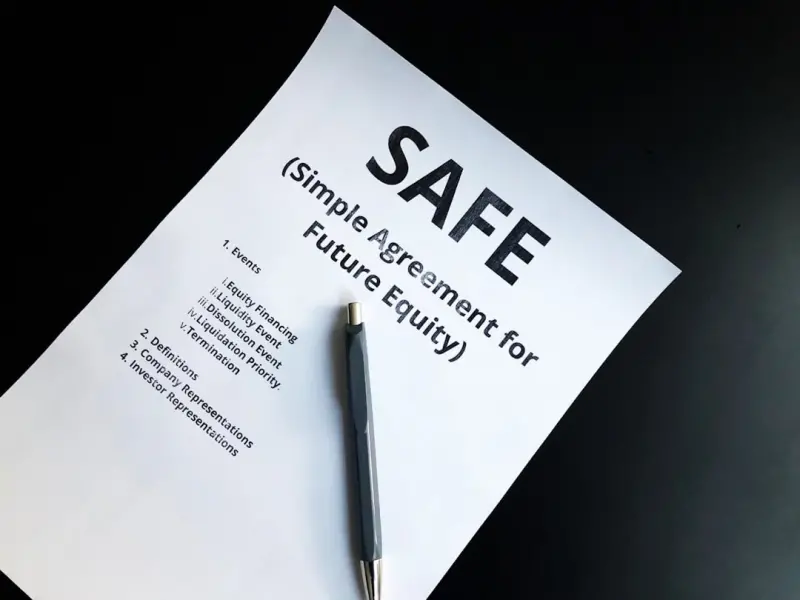
Smart-Contract Insurance: Legal Shifts You Can’t Ignore
Smart contracts are turning insurance policies into executable code, redefining underwriting, claims... Read More
Top Posts

When Likes Turn Litigable: Social Media’s Impact on Personal Injury Cases
Social media can make or break a personal injury claim. Discover why every post, like, and comment matters and how to safeguard your case....Read More
Re‑thinking Clinical Trial Consent in the Digital Age
A deep dive into how digital tools are reshaping consent, device safety, AI diagnostics, and patient data protection, offering practical legal guidance for toda...Read More

When Algorithms Interview: Legal Risks of AI-Powered Hiring
AI recruitment promises efficiency but introduces bias, privacy, and liability risks. This guide outlines legal pitfalls and offers a practical compliance playb...Read More

Algorithmic Scheduling, Worker Rights, and the New Labour Law Frontiers
A deep dive into algorithmic scheduling, its legal blind spots, emerging case law, and actionable strategies for workers and employers to ensure fair, transpare...Read More
0 Comments
Post Comment
You will need to Login or Register to comment on this post!