
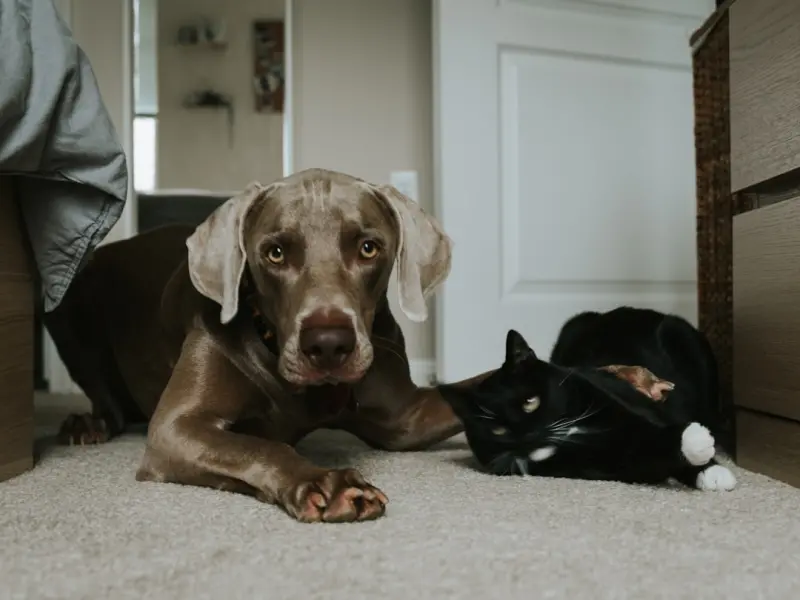
Why Pets Are No Longer Just “Property” in Divorce Proceedings
When Margaret Strawbridge first walked into a courtroom and heard a client plead, “I can’t lose Bella, she’s my baby,” she realized that the legal landscape of family law is shifting. For decades, pets were classified as mere chattel—an asset that could be divided like a car or a couch. Today, judges are increasingly recognizing the emotional bond between humans and their four‑legged (or feathered, or scaled) companions. This transformation isn’t just sentimental; it has real, measurable implications for how divorce settlements are structured.
The Historical Context: From Barnyard to Living Room
In the early 20th century, courts treated a dog or cat the same way they would a piece of livestock. The prevailing view was simple: ownership belonged to the person whose name was on the title, or, failing that, to the person who paid for the animal’s care. As families moved from farms to suburbs, pets migrated from “working animals” to “family members.” Yet the statutes lagged behind, leaving a legal gray area that many divorcees fell into.
What Courts Are Doing Differently Now
Across the United States, a growing number of jurisdictions are adopting a more nuanced approach. While the law still technically classifies pets as property, judges are invoking the best interest of the animal standard—similar to the standard used in child custody cases. This means they consider factors such as:
- Primary caregiver history: Who fed, walked, and took the pet to the vet?
- Emotional attachment: Which partner has a demonstrable bond?
- Living arrangements: Which home provides the most suitable environment?
- Future care plan: Who is financially and logistically capable of maintaining the pet’s health?
These considerations are often presented alongside a cohabitation agreement that may have pre‑emptively addressed pet ownership. While cohabitation agreements are typically discussed in the context of unmarried couples, they are increasingly being referenced in divorce settlements to clarify pet custody before a dispute erupts.
Legal Tools at Your Disposal
If you’re navigating a divorce and your pet’s future feels uncertain, there are several proactive steps you can take:
1. Include Pets in Your Separation Agreement
Even if you haven’t formalized a cohabitation agreement, you can draft a separate pet clause. Outline who retains physical custody, who pays for ongoing expenses, and what happens if the primary caretaker can no longer care for the animal.
2. Use a Pet Trust
Much like a financial trust for a child, a pet trust sets aside funds and designates a caretaker. This can be especially useful in complex divorces where one party might be financially disadvantaged but still wants to ensure the pet’s wellbeing.
3. Document Care Routines
Keep receipts, vet records, and a diary of daily care activities. This documentation can serve as evidence of who has been the primary caregiver—a key factor courts now weigh.
4. Mediation Over Litigation
Pet custody disputes can become emotionally charged. Mediation offers a collaborative space to negotiate a solution that honors the animal’s needs without the acrimony of a courtroom battle.
Case Studies: Lessons from Recent Rulings
Below are three illustrative cases that highlight the emerging trends:
Case A: The “Luna” Decision
In a California family court, a couple split after ten years of marriage. Both claimed primary custody of Luna, a 5‑year‑old Labrador. The judge awarded Luna to the spouse who had taken Luna to vet appointments, walked her daily, and maintained a detailed health log. The other spouse received visitation rights and a monthly stipend for Luna’s food.
Case B: The “Whiskers” Settlement
In a Texas jurisdiction, the parties entered mediation after a bitter dispute over a beloved cat. They reached a compromise: the cat would reside with the primary caregiver, while the other parent received a $2,000 pet trust to cover future veterinary costs. The agreement was incorporated into the final divorce decree.
Case C: The “Goldfish” Controversy
A surprising case emerged in New York where a goldfish named Bubbles became the center of a custody battle. The court ultimately ruled that the goldfish, being low maintenance, could be transferred to the spouse who expressed a stronger emotional connection, emphasizing that the “best interest” standard applies regardless of species.
Pet Custody and the Broader Estate Planning Picture
Divorce isn’t the only moment when pet custody matters. As families contemplate their long‑term legacy, they often overlook the need to address pet care after their death. Integrating a pet trust into a will or a broader estate plan—what many call future‑proofing your legacy—ensures that beloved companions are cared for, even when the original owner is no longer there. This forward‑thinking approach can also prevent future disputes among heirs who might otherwise feel entitled to the pet.
Special Considerations for Non‑Traditional Families
Family law is increasingly inclusive of diverse household structures. Same‑sex couples, polyamorous families, and blended families all face unique pet custody challenges. Courts are beginning to recognize that the “best interest” analysis must consider the full tapestry of relationships, not just the marital bond. For instance, in a polyamorous arrangement where multiple adults share pet responsibilities, the court may look at the collective caregiving history rather than focusing on a single individual.
International Perspectives
While the United States is at the forefront of reinterpreting pet custody, other countries are also evolving. In the United Kingdom, recent case law suggests that courts will consider “animal welfare” when determining who retains a pet, though the statutory language still treats animals as property. In Australia, a few states have begun to incorporate “pet guardianship” language into family law statutes, explicitly acknowledging the emotional value of pets.
Practical Tips for Protecting Your Pet’s Future
Whether you’re currently married, separated, or simply planning ahead, here are actionable steps to safeguard your pet’s wellbeing:
- Document ownership: Keep adoption papers, microchip registration, and receipts in a safe place.
- Include pets in your financial planning: Allocate funds for food, veterinary care, and emergencies.
- Discuss pet care expectations early: Open conversations with your partner can prevent misunderstandings later.
- Consult a family law attorney: Specialized counsel can draft agreements that reflect your unique situation.
- Consider a pet guardian designation: In your will, name a trusted individual to assume care if you become incapacitated.
Conclusion: The Emotional Economy of Pet Custody
Pets have moved from the periphery of legal consideration to the center of a growing, emotionally charged niche within family law. As courts adopt a more compassionate stance, the onus is on families to be proactive—documenting care, negotiating agreements, and integrating pet provisions into broader legal and financial plans. By treating pets as the family members they truly are, you not only protect their welfare but also reduce the emotional toll divorce can exact on all parties involved.

Related Posts

Trending Family Law Insights from Kris Kennel
Kris Kennel unpacks the latest family law shifts—divorce expenses, child custody tech, insurance i... Read More

Blended Families: Building Legal Foundations for Step‑Parent Rights and Seamless Adoption
Learn how step‑parents can secure legal rights, protect finances, and foster harmonious blended fa... Read More

When Furry Friends Become the Fight: Navigating Pet Custody in Divorce
Divorce now often includes a battle over beloved pets. This guide explains the evolving legal landsc... Read More
Top Posts

When Sensors Meet the Road: Rethinking Impaired Driving in the Age of Wearables
A deep dive into how real‑time wearables, privacy law, and insurance dynamics intersect to tackle impaired driving, offering practical guidance for fleets, gi...Read More

The Digital Transformation of Family Law: What Every Couple Needs to Know
A deep dive into how technology is redefining marriage and divorce law, highlighting AI mediation, virtual courtrooms, digital evidence, and the balance between...Read More

The Unseen Legal Quirks of Telehealth: From Consent to Liability
Telemedicine’s rapid rise brings complex legal hurdles. This article unpacks consent nuances, data portability, AI diagnostic liability, deepfake threats, cro...Read More

Beyond the Clock: How Employee Surveillance Is Redrawing Labour Law Boundaries
A deep dive into the rise of employee monitoring tools, the emerging privacy risks they pose, and practical steps employers can take to align surveillance pract...Read More
0 Comments
Post Comment
You will need to Login or Register to comment on this post!