
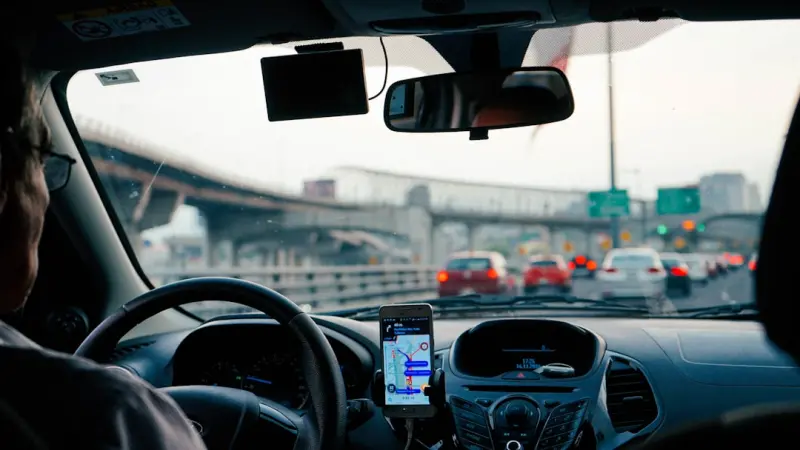
The Gig Economy’s Silent Threat: Rethinking Impaired Driving Policies for Modern Workforces
When I first stepped onto a corporate campus straight out of law school, the idea of “impaired driving” was a distant, almost mythic concept—something I’d read about in headlines about DUI checkpoints and courtroom dramas. Fast forward a decade, and I’m now consulting for tech‑enabled logistics platforms that rely on thousands of independent contractors zipping around cities on scooters, bikes, and compact cars. The old playbook on impaired driving simply doesn’t cut it for this new, hyper‑connected workforce.
In this piece, I’ll unpack why the traditional, employer‑centric approach to impaired driving is crumbling, how data from telematics and ride‑share platforms is reshaping liability, and what actionable steps companies can take to protect their brand, their workers, and the public. Think of this as a roadmap for anyone who manages a fleet—whether it’s a handful of company‑owned vehicles or a sprawling network of gig‑workers.
1. Impaired Driving Is No Longer a “Driver‑Only” Issue
Historically, the conversation around impaired driving centered on the individual behind the wheel. Companies were advised to enforce “zero‑tolerance” policies, run periodic breathalyzer tests, and keep a legal team on standby for the occasional lawsuit. Today, the lines blur:
- Platform‑mediated work. When a delivery app assigns a job to a contractor, the platform’s algorithm is effectively deciding who gets behind the wheel. That decision carries weight.
- Vehicle ownership. Many gig workers use personal vehicles that they’ve financed, leased, or even borrowed from a peer‑to‑peer car‑sharing service. The vehicle’s insurance policy may list the platform as an “additional insured,” pulling the company deeper into the liability chain.
- Real‑time data. Telemetry devices can now flag erratic acceleration, sudden lane changes, or even detect breath alcohol levels via in‑car sensors. This data is a double‑edged sword: it offers early warning but also raises privacy concerns.
In short, impaired driving is now a systemic risk that spans technology, employment law, insurance, and public safety.
2. The Rise of “On‑Demand” Impairment: From Alcohol to Prescription Meds
When people think of impairment, they picture a glass of whiskey or a night of binge‑drinking. Yet, the modern workforce faces a broader spectrum of substances that can diminish driving ability:
- Prescription opioids and anxiolytics. With the opioid crisis still reverberating, many individuals are on chronic pain management regimens that can affect reaction times.
- Cannabis legalization. In states where recreational use is legal, employees may feel comfortable using cannabis during off‑hours, forgetting that its effects can linger well into the next day.
- Energy drinks and over‑the‑counter stimulants. While not illegal, these can create a false sense of alertness, leading to risky driving behavior.
Traditional “alcohol‑only” policies miss these nuances, leaving companies exposed to lawsuits that argue negligence for failing to address non‑alcohol impairments.
3. Legal Landscape: From “Employer Liability” to “Platform Responsibility”
The courts are beginning to treat gig platforms more like traditional employers when it comes to negligent entrustment. In several recent rulings, judges have ruled that if a platform knows—or should reasonably know—that a contractor is impaired, the platform can be held liable for resulting accidents.
This shift is echoed in the growing role of AI in law enforcement, where algorithms flag risky behavior before a crime occurs. Similarly, platforms now have the technological means (and arguably the legal duty) to monitor and intervene.
4. Data‑Driven Detection: Friend or Foe?
Telematics providers tout features like:
- Accelerometer‑based detection of sudden swerves.
- Brake‑pressure monitoring for “hard stops.”
- Integrated breath‑analysis modules (still in pilot phases).
These tools enable companies to automatically suspend a contractor’s account if dangerous patterns emerge. However, there are pitfalls:
- Privacy pushback. Workers argue that constant monitoring violates their right to privacy, especially when data is used for performance evaluations.
- False positives. A sudden lane change might be caused by a pothole, not impairment.
- Data ownership. Who owns the telemetry data—the driver, the platform, or the device manufacturer? This question can dictate who bears the cost of a legal defense.
Balancing safety with privacy requires transparent policies, clear consent mechanisms, and a robust appeals process for drivers who feel unfairly penalized.
5. Insurance Implications: A New Breed of Policies
Traditional commercial auto policies often exclude coverage for incidents involving impaired drivers. As a result, insurers are offering “gig‑specific” products that include:
- Per‑trip liability limits, allowing companies to cap exposure for each individual delivery.
- Behavior‑based premiums, where a driver’s safe‑driving score directly impacts their rate.
- Coverage for “non‑alcoholic” impairments, such as medication‑related incidents.
Negotiating these policies demands a deep understanding of both the contractual language and the underlying data analytics. Companies that treat drivers as independent contractors but bundle them under a single insurance umbrella may inadvertently create a “joint venture” scenario, exposing them to higher liability.
6. Building a Future‑Proof Impaired‑Driving Framework
Below is a step‑by‑step checklist that merges legal best practices with emerging technology. This is not a one‑size‑fits‑all solution, but a foundation you can adapt.
Step 1: Draft a Clear, Multi‑Substance Policy
Instead of a “zero‑tolerance for alcohol” rule, articulate expectations for all substances that can impair driving. Include:
- Definitions of “impairment” covering prescription meds, cannabis, and over‑the‑counter stimulants.
- A self‑reporting mechanism with confidentiality guarantees.
- Consequences ranging from mandatory education to suspension, depending on severity.
Step 2: Integrate Telemetry with Human Oversight
Deploy telematics, but pair them with a human review team. When a device flags a “high‑risk event,” a trained analyst should verify context before any punitive action.
Step 3: Offer Education & Support
Partner with occupational health providers to deliver workshops on safe medication use, cannabis timing, and the dangers of “mix‑and‑match” substances. Providing an Employee Assistance Program (EAP) can also help workers seek help before impairment becomes a legal issue.
Step 4: Align Insurance Contracts with Policy Enforcement
Work with insurers to ensure that your policy language matches the coverage triggers. For example, if an incident involves a driver who self‑reported a medication, the insurer should recognize the mitigating factors.
Step 5: Review and Iterate Quarterly
Data trends shift quickly. Schedule quarterly reviews of telemetry data, claim histories, and policy compliance rates. Use insights to refine thresholds, training modules, and even the wording of your policy.
7. Case Study: A Delivery Platform’s Turnaround
One Midwest‑based food‑delivery service faced a surge in DUI‑related claims after expanding into suburban markets. Their initial response was defensive: “We’re not an employer; we can’t control driver behavior.” Within six months, the company suffered three multi‑million‑dollar settlements, prompting a strategic overhaul.
Key actions taken:
- Implemented a telematics solution that flagged erratic acceleration and combined it with a driver‑self‑reporting app.
- Rewrote the driver agreement to include a comprehensive impairment clause covering all substances.
- Launched a “Safe Driving Academy”—a gamified e‑learning series that rewarded drivers with bonus payouts for maintaining a clean record.
- Negotiated a tiered insurance policy where drivers with higher safety scores enjoyed lower deductible rates.
The result? Over a 12‑month period, impaired‑driving incidents dropped by 68%, and the platform’s insurance premiums fell by 22% thanks to the lower risk profile.
8. Looking Ahead: Autonomous Vehicles and the “Impairment” Question
Some futurists argue that autonomous vehicles (AVs) will make impaired driving a relic of the past. Yet, the transition to Level 4/5 autonomy will be incremental. In mixed‑traffic environments, human drivers will still share the road with AVs for years.
Moreover, the “handoff” scenario—where a human must retake control—reintroduces impairment risk. Companies should therefore plan for a hybrid safety framework that:
- Monitors driver readiness before handoff (e.g., eye‑tracking, reaction‑time tests).
- Maintains traditional impairment policies until full autonomy is achieved.
- Collaborates with manufacturers to integrate impairment detection into the vehicle’s core safety systems.
9. The Bottom Line: From Reactive to Proactive
Impaired driving is evolving from a personal misdemeanor to a complex, data‑rich liability landscape. Companies that continue to rely on outdated, “one‑size‑fits‑all” policies will find themselves entangled in costly lawsuits, damaged reputations, and eroding driver trust.
By embracing a multi‑dimensional approach—combining comprehensive policies, real‑time telemetry, targeted education, and forward‑thinking insurance—organizations can transform a looming risk into a competitive advantage. After all, safety isn’t just a legal checkbox; it’s a brand promise that resonates with customers, partners, and the broader community.
For those ready to start the journey, remember: the data you collect is only as powerful as the actions you take on it. Treat every flagged event not as a punitive moment, but as an opportunity to intervene, educate, and ultimately, keep the roads safer for everyone.
And if you’re curious how algorithmic decision‑making can both help and hurt in these scenarios, check out our deep dive into AI and law enforcement. The parallels are striking, and the lessons are directly applicable to managing impaired‑driving risk in a gig‑driven world.
Lastly, for a broader view on how emerging tech is reshaping liability across industries, don’t miss the hidden hazards of remote‑controlled heavy machinery. Understanding these risks now will keep your organization a step ahead when the next wave of automation rolls in.

I am Madden Persons, a content writer and digital influencer dedicated to crafting impactful stories and building authentic online connections. With a strategic approach to content creation, I develop engaging articles, digital campaigns, and social media narratives that help brands elevate their online presence and connect meaningfully with their target audiences.
Passionate about modern digital trends and audience engagement, I specialize in translating complex ideas into compelling content that sparks conversation, drives results, and strengthens brand identity.
Related Posts

Inside the Workplace: Turning After‑Hours Rides Into Safer Streets
A practical guide shows how businesses can use technology, incentives, and clear policies to turn af... Read More

When the Night Calls: Unpacking the Hidden Triggers of Impaired Driving
A deep dive into why people choose to drive impaired, how tech influences decisions, and practical s... Read More
Personal Breathalyzers: A Quiet Revolution
A deep dive into how personal breathalyzer technology can transform individual choices, legal approa... Read More
Top Posts

The Unseen Legal Quirks of Telehealth: From Consent to Liability
Telemedicine’s rapid rise brings complex legal hurdles. This article unpacks consent nuances, data portability, AI diagnostic liability, deepfake threats, cro...Read More
Genes and the Law: Charting the Future of Personalized Medicine
A deep dive into the legal frontiers of personalized medicine, covering CRISPR regulation, genomic data trusts, AI diagnostic liability, and the hybrid challeng...Read More

The Fast‑Lane Evolution: How Modern Drivers Navigate Today’s Automotive Law
A deep dive into today’s automotive legal landscape, covering self‑driving cars, privacy concerns, ride‑share rules, and a practical checklist for every d...Read More

When Algorithms Mediate: The New Frontier of Divorce Settlements
Divorce is entering a new era where AI mediation platforms analyze finances, crypto assets, and custody needs, offering data‑driven, unbiased solutions that s...Read More
0 Comments
Post Comment
You will need to Login or Register to comment on this post!