

When I first started tinkering with search data for a fledgling SaaS startup, I thought I understood everything that mattered: keywords, backlinks, and the occasional content refresh. What I didn’t anticipate was how much the subtle nuances of user intent could rewrite the rules of visibility. Today, after years of watching search algorithms evolve and companies scramble to keep up, I’m convinced that the next frontier isn’t about stuffing more keywords—it’s about mastering search intent clustering and turning it into a strategic asset.
The Gap Between Keyword Lists and Real‑World Questions
Most SEO roadmaps begin with a spreadsheet of target keywords. That list often looks impressive—hundreds of phrases, a few “high‑search‑volume” terms, and a sprinkling of long‑tail variations. Yet, when you examine the SERPs for those same phrases, a pattern emerges: Google isn’t just ranking pages; it’s ranking answers. The same keyword can surface product reviews, how‑to guides, pricing calculators, and even competitor comparisons, each satisfying a distinct user intent.
In the B2B SaaS arena, this fragmentation is magnified. A procurement manager typing “enterprise workflow automation” could be looking for a vendor comparison, a case study, or a pricing demo. A developer searching “API rate limiting best practices” likely wants technical documentation, not a sales page. If you treat all those searches as a single keyword bucket, you end up delivering the wrong type of content to the wrong audience, diluting engagement and wasting link equity.
What Is Search Intent Clustering?
Search intent clustering is the process of grouping keywords not by lexical similarity alone, but by the underlying goal that drives the searcher. Instead of a flat list, you end up with a multi‑dimensional map that aligns each keyword with a specific intent category—informational, navigational, transactional, or commercial investigation. Within those broad buckets, you can create sub‑clusters that reflect the stage of the buyer’s journey: awareness, consideration, decision, and post‑purchase.
Think of it as a taxonomy for curiosity. Each cluster becomes a lens through which you can view your content gaps, prioritize creation, and structure internal linking in a way that mirrors the mental model of your prospects.
Why Traditional Keyword Research Falls Short
- Surface‑level relevance: Conventional tools rank keywords by volume and difficulty, but they ignore the why behind the query.
- One‑size‑fits‑all content: When you optimize a single page for a broad term, you risk cannibalizing your own rankings with multiple pages competing for the same SERP real‑estate.
- Misaligned conversion paths: A page that ranks well for a high‑intent term but lacks the appropriate call‑to‑action will attract traffic that never converts, inflating bounce rates and sending negative signals to search engines.
In short, the old model treats search as a static list of phrases. The new model treats search as a dynamic conversation.
Building an Intent‑Driven Cluster Framework
Here’s a step‑by‑step methodology I’ve refined over the years, with a particular focus on SaaS products that sell complex solutions to enterprises.
1. Harvest Raw Data
Start with a broad keyword dump from tools like Ahrefs, SEMrush, or even Google Search Console. Include “question‑type” queries (who, what, how, why) and “comparative” searches (vs, best, alternatives). Export the list into a spreadsheet for manual analysis.
2. Annotate Intent Manually
Read the SERP for each keyword and assign an intent label. This is where you develop intuition. For example:
- “how to integrate CRM with ERP” – Informational (Implementation guide)
- “CRM pricing tiers” – Transactional (Pricing research)
- “best CRM for manufacturing” – Commercial investigation (Comparison)
Don’t rush—this step takes time, but it pays dividends in clarity.
3. Cluster by Intent + Funnel Stage
Group keywords into a two‑dimensional matrix: intent on one axis, funnel stage on the other. You’ll end up with clusters like “Informational‑Awareness,” “Commercial‑Consideration,” or “Transactional‑Decision.” This matrix becomes the blueprint for your content architecture.
4. Map Existing Content
Audit your current pages and assign each to a cluster. Identify:
- Content that perfectly matches a cluster (golden content).
- Pages that partially overlap (needs refinement).
- Gaps where no page exists (opportunity).
5. Prioritize Creation
Use a weighted scoring system: search volume × intent value × funnel urgency. High‑scoring gaps become your next content projects. For SaaS, prioritize “Commercial‑Consideration” clusters because they sit at the crossroads of research and purchase intent.
6. Optimize Internally
Once clusters are in place, reinforce them with a strategic internal linking structure. Link from broader “awareness” pages to more specific “consideration” assets, using descriptive anchor text that mirrors the target intent. This not only helps crawlers understand topical relevance but also guides users deeper into the funnel.
Real‑World Example: From Chaos to Cohesion
One of our clients—a project‑management SaaS—had a sprawling blog of 200+ articles, many of which overlapped in keyword focus. Their organic traffic was flat, and the bounce rate on landing pages was alarmingly high. After applying intent clustering, we discovered three primary gaps:
- Implementation Guides: Users were searching “how to set up agile boards in X software,” but the site only offered a generic “features” page.
- Industry‑Specific ROI Calculators: “Project management ROI for construction firms” had zero dedicated content.
- Competitor Comparison Charts: Prospects were typing “X vs Y project management tools,” yet the client’s site lacked a side‑by‑side comparison.
Within six weeks, we produced a series of targeted guides, an interactive ROI calculator, and a comparison matrix. We linked each guide back to the core product page using intent‑rich anchor text. The result? A 48% lift in organic sessions, a 32% reduction in bounce rate, and a 21% increase in MQL conversions from organic traffic.
Aligning SEO with Product Roadmaps
For B2B SaaS companies, the product roadmap and the SEO roadmap often evolve in parallel. When a new feature drops, it creates fresh search intent. By maintaining an intent‑centric cluster map, you can quickly surface new keyword opportunities that align with upcoming releases. This synergy ensures that your SEO efforts are always a step ahead of the competition.
Measuring Success Beyond Rankings
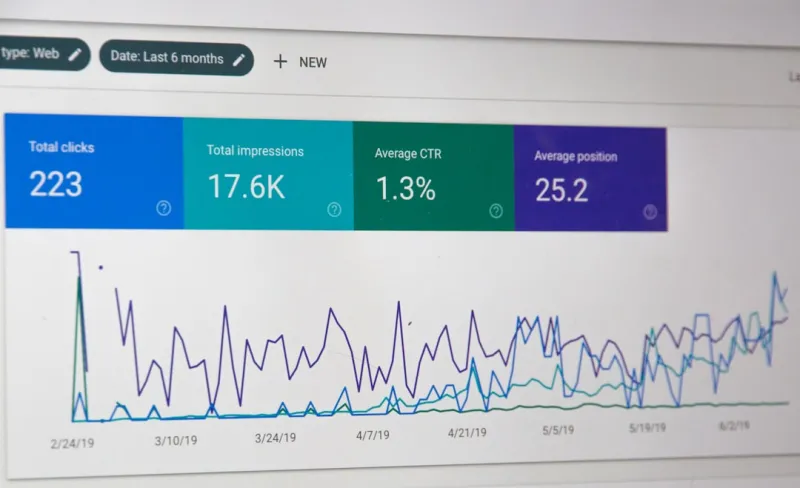
Traditional SEO success metrics—rankings, clicks, impressions—are still important, but they don’t capture the full impact of intent clustering. Consider adding these KPI layers:
- Intent‑Specific CTR: Track click‑through rates for pages that target each intent cluster. A rising CTR in “Commercial‑Consideration” signals that your content is resonating with buyers.
- Engagement Depth: Measure average time on page and scroll depth for intent‑aligned pages. Higher engagement often translates to better lead quality.
- Conversion Attribution: Use UTM parameters or hidden fields to trace which intent clusters are feeding qualified leads into your CRM.
By evaluating these signals, you can fine‑tune your clusters, retire underperforming assets, and double‑down on the formats that drive revenue.
Common Pitfalls and How to Avoid Them
- Over‑Clustering: Splitting clusters too finely can create orphaned pages and dilute authority. Aim for a balance—enough granularity to be relevant, but broad enough to build topical strength.
- Neglecting User Experience: A perfectly clustered page is useless if the UI is clunky. Ensure that each intent page offers a clear pathway—whether it’s a CTA, a download, or a chatbot prompt.
- Static Clusters: Search intent evolves. Set a quarterly review cadence to reassess cluster relevance, especially after major product updates or market shifts.
Integrating Intent Clusters with Content Automation
Many SaaS marketers rely on content calendars and automation tools to scale production. Intent clusters can become the backbone of that automation:
- Feed the cluster matrix into your content planning tool as a “template” for new assets.
- Assign writers specific intent briefs—each brief outlines the target intent, funnel stage, suggested headings, and internal linking recommendations.
- Use AI‑assisted drafting tools to generate first drafts that respect the intent framework, then have subject‑matter experts refine for accuracy.
This approach ensures consistency at scale while preserving the nuance that intent clustering demands.
Linking to Related Legal Perspectives
While SEO feels like a purely technical discipline, it intersects with broader business considerations. For instance, understanding cross‑state remote work challenges can inform how you structure location‑specific landing pages. Similarly, the silent hazard of automated content moderation highlights the importance of maintaining brand integrity when scaling content production—an essential factor when you’re publishing at the speed dictated by intent clusters.
The Future: Intent‑First SERPs
Google’s AI‑driven features—such as the “People also ask” box, featured snippets, and the upcoming “Search Generative Experience”—are all designed to surface intent directly on the SERP. As these formats become more sophisticated, the line between ranking and answering blurs. Brands that have already built robust intent clusters will be uniquely positioned to capture those AI‑generated spots, because the content already aligns with the user’s underlying question.
In essence, the next wave of SEO isn’t about outranking competitors; it’s about becoming the most relevant answer for each intent. By treating intent as the core organizing principle, you future‑proof your content, improve user satisfaction, and drive higher‑quality leads—all without relying on short‑term tricks.
Getting Started Today
If you’re ready to shift from keyword‑centric to intent‑centric SEO, here’s a quick starter checklist:
- Export your full keyword list and annotate intent for the top 300 queries.
- Create a two‑axis matrix (intent vs. funnel stage) in a spreadsheet.
- Audit existing content and map each page to a cluster.
- Identify the top three gaps with the highest weighted scores.
- Produce a pilot piece for each gap, embed internal links, and track intent‑specific KPIs.
Within a month, you’ll have a clearer picture of where your SEO assets stand and a roadmap for the next wave of growth. Remember: the goal isn’t just to be seen—it’s to be seen at the exact moment a prospect’s intent aligns with your solution.
SEO is evolving from a game of volume to a dialogue of relevance. Embrace search intent clustering, and you’ll turn that dialogue into a revenue‑generating conversation.

Related Posts
Why Modern SEO Demands a Human‑First, Data‑Driven Playbook
A human‑first, data‑driven SEO strategy balances user intent, technical excellence, and smart li... Read More

The Impact of Family Law on SEO Strategies
The intersection of family law and SEO presents a complex landscape that requires a deep understandi... Read More

Semantic Clustering: A Modern Blueprint for Sustainable SEO Authority
Learn a fresh SEO approach using semantic clustering, user intent mapping, and smart internal linkin... Read More
Top Posts

Why SEO Needs a Human‑Centric Reset (And How to Lead It)
A deep dive into shifting SEO from keyword hacks to human‑first intent, covering trust signals, content clusters, structured data, and future‑proof tactics ...Read More

When Auto‑Scaling Turns Into a Wildfire: Taming Hidden Threats
A deep dive into why auto‑scaling can become a dangerous operation, with real‑world examples and a step‑by‑step playbook to implement guardrails, cost c...Read More

Tax Strategies for Remote Workers: Navigating the New Frontier of Digital Nomad Tax Law
Learn how remote workers can master tax compliance across states and borders with practical tips, tech tools, and contract strategies to protect earnings....Read More

When Serverless Turns Hazardous: Hidden Risks in the Cloud’s Most Agile Model
Serverless promises simplicity, but hidden perils—from cold‑starts and vendor lock‑in to observability gaps—can turn it into a dangerous operation. This...Read More
0 Comments
Post Comment
You will need to Login or Register to comment on this post!