
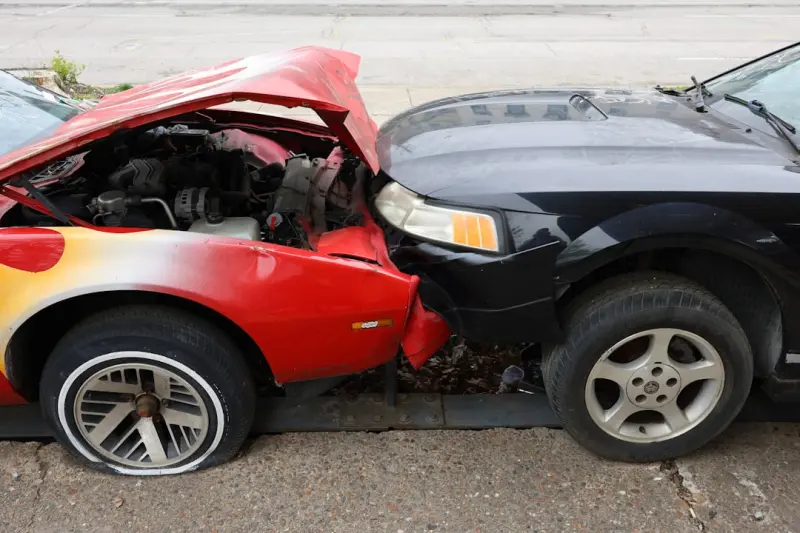
Why Self‑Driving Car Crashes Are Changing the Personal Injury Landscape
When I first started practicing personal injury law, the most common scenarios I saw were split‑second human errors: a distracted driver, a missed stop sign, a rainy intersection. Those cases were messy enough, but at least the liability puzzle had familiar pieces. Today, the rise of autonomous vehicles (AVs) is reshaping that puzzle in ways most of us never imagined. As a litigator who’s watched technology creep onto our roadways, I’ve learned that every new sensor, algorithm, and data stream adds a layer of complexity—and an opportunity—to protect injured victims.
The Technology Behind the Wheel
Modern AVs rely on a blend of lidar, radar, cameras, and high‑definition maps to “see” the world. Behind the scenes, machine‑learning models interpret that data in real‑time, deciding whether to accelerate, brake, or swerve. The promise is safety—fewer human mistakes, fewer fatalities. The reality, however, is that these systems are still learning, and when they fail, the consequences can be severe.
What makes personal injury claims in this arena unique is that the “driver” is no longer a single human being. Liability can stretch across manufacturers, software providers, data analysts, and even the owners of the vehicle. The traditional “who caused the accident” question becomes a multi‑dimensional forensic investigation.
Who’s Really at Fault? The New Liability Matrix
In a conventional crash, the negligent driver is usually the obvious defendant. With AVs, the fault line can be split among several parties:
- Vehicle Manufacturer – responsible for hardware defects, sensor placement, or faulty integration.
- Software Developer – accountable for algorithmic errors, outdated map data, or failure to update safety protocols.
- Data Provider – if the vehicle relies on third‑party data streams (traffic, weather) that are inaccurate.
- Owner/Operator – in some jurisdictions, the person who “activates” the vehicle may retain a duty of care.
Because the chain of responsibility can be long, plaintiffs need a strategy that uncovers every possible source of negligence. That’s where Digital Evidence becomes a game‑changer. From black‑box recordings to cloud‑based telemetry, the data trail left by an AV can either exonerate a party or expose hidden defects.
Collecting the Right Evidence: A Data‑Driven Approach
Imagine you’ve been injured in a collision with an autonomous sedan. The vehicle’s exterior is a sleek, unblemished metal shell, but inside its computer is a wealth of information:
- Time‑stamped sensor logs that show exactly what the vehicle “saw.”
- Decision‑making algorithms that document why it chose a particular action.
- Connectivity logs that reveal whether the car received updated software or map data before the crash.
My team treats this data like a crime scene. We issue preservation requests to the manufacturer, subpoena the vehicle’s event data recorder (EDR), and work with forensic analysts to translate raw bytes into understandable narratives for a jury. In many cases, the AV’s own data will prove that a software update was delayed—a clear breach of duty that can be linked directly to the injury.
When Data Becomes a Liability Shield
Unfortunately, not every manufacturer is eager to share that information. Some argue that releasing detailed logs could expose proprietary technology, leading to Synthetic Data concerns and privacy claims. This creates a tactical tug‑of‑war: the plaintiff’s right to evidence versus the defendant’s trade‑secret protections.
In my experience, a well‑crafted motion to compel discovery—backed by statutes that prioritize safety over secrecy—can tip the scales. Courts are beginning to recognize that when public safety is at stake, the need for transparency outweighs corporate confidentiality.
Insurance and the “No‑Fault” Myth
Many AV owners rely on sophisticated insurance packages that promise “no‑fault” coverage for autonomous driving modes. The fine print, however, often limits payouts to vehicle repair costs, leaving bodily injury claims in a gray area. Understanding the nuances of these policies is essential.
When I advise clients, I start by dissecting the policy language: Does it define “autonomous operation” as a separate risk? Are there sub‑limits for medical expenses? Is there a “manufacturer liability endorsement” that can be invoked? The answers dictate whether we pursue a claim against the insurer, the vehicle maker, or both.
The Human Element: Pain, Suffering, and Lost Futures
Beyond the technicalities, personal injury law remains fundamentally about people. A collision with an AV can result in injuries that are physically identical to those from a human‑driven crash—whiplash, broken bones, traumatic brain injury—but the emotional impact may be amplified.
Victims often grapple with a sense of betrayal: they trusted a machine to protect them, only to be harmed by its failure. This psychological dimension can influence damages for pain and suffering, loss of enjoyment of life, and even future earning capacity. As attorneys, we must craft narratives that capture both the physical and emotional toll, ensuring juries see the full picture.
Emerging Case Law: Lessons from Early Verdicts
The courtroom is still learning how to handle AV accidents. A handful of high‑profile cases have set precedents that are worth noting:
- Smith v. AutoDrive Corp. – The court held that the manufacturer’s failure to deploy a critical software patch constituted negligence, opening the door for product liability claims.
- Garcia v. City Transit Authority – A public‑sector AV that collided with a pedestrian was deemed liable under the doctrine of “inherently dangerous activity,” despite the vehicle’s autonomous status.
- Lee v. RideShare Inc. – The jury awarded substantial punitive damages after discovering that the ridesharing platform ignored known sensor malfunctions to cut costs.
These decisions illustrate that courts are willing to pierce the veil of “technology” and hold parties accountable when safety is compromised.
Practical Steps for Injured Victims
If you’ve been injured in an AV crash, here’s a roadmap to protect your rights:
- Seek Medical Attention Immediately – Documentation of injuries is the cornerstone of any claim.
- Preserve the Scene – Photograph the vehicle, surrounding area, and any visible damage. Do not move the car unless safety demands it.
- Collect Witness Information – Even if the vehicle recorded the event, human testimonies can corroborate the data.
- Notify Your Insurance Provider – Report the incident promptly, but avoid making statements that could be construed as admissions of fault.
- Consult an AV‑Savvy Attorney – Choose counsel experienced in both personal injury and technology law.
- Request Data Preservation – Ask your lawyer to issue a preservation letter to the manufacturer and any third‑party data providers.
Following these steps ensures you’re not left scrambling for evidence after the fact.
Future Trends: What’s Next for Personal Injury Law?
The AV market is still in its infancy, but several trends are already shaping the legal landscape:
- Standardized Data Formats – Industry groups are pushing for universal EDR data structures, which will make evidence collection more predictable.
- Regulatory Oversight – Governments are drafting guidelines that may require manufacturers to disclose safety-critical software changes publicly.
- Insurance Innovation – New policies are emerging that bundle traditional liability coverage with cyber‑risk protection, reflecting the hybrid nature of AV claims.
- AI‑Driven Litigation Support – Law firms are beginning to use machine‑learning tools to parse massive data sets from AV logs, accelerating case preparation.
Staying ahead of these developments is crucial for any attorney representing injured parties. The more we understand the technology, the better we can advocate for the people whose lives are upended when it fails.
Final Thoughts: Empowering Victims in an Automated World
Self‑driving cars promise a future of fewer crashes, but the reality is that every technological leap brings new risks. As personal injury lawyers, we must adapt—learning the language of sensors, software, and data privacy—while never losing sight of the human stories at the heart of every case.
If you or a loved one has been hurt in an autonomous vehicle accident, don’t let the complexity of the technology intimidate you. With the right legal strategy, you can turn the very data that caused the crash into a powerful tool for justice.

Allison Jarvis is a dynamic digital media and marketing professional dedicated to driving brand growth through impactful storytelling. With a sharp eye for market trends and a passion for data-driven strategies, she specializes in building cohesive online identities that resonate with modern audiences. Allison blends creative content production with robust analytics to maximize engagement and deliver measurable ROI. She continuously explores emerging digital tools to keep her projects ahead of the curve.
Related Posts

Self-Driving Cars and the New Frontier of Personal Injury Law
The rise of self‑driving cars is redefining personal injury law, introducing complex fault theorie... Read More

Unseen Personal Injury Risks in the Remote‑Work Revolution
A deep dive into the emerging personal injury risks of remote work, offering practical guidance for ... Read More

When a Slip Becomes a Lawsuit: Navigating the New Landscape of Personal Injury
The article examines how modern developments—from CCTV evidence and ride‑share liability to smar... Read More
Top Posts

Navigating Family Law in the Digital Age: Strategies for Modern Challenges
A deep dive into the tech‑driven transformation of family law, offering practical advice for navigating custody, divorce, and co‑parenting in today’s digi...Read More

AI‑Generated Job Descriptions: Navigating Bias, Liability, and Compliance
A practical guide for HR leaders on the hidden legal risks of AI‑crafted job descriptions, offering audit steps, vendor transparency tips, and a compliance ch...Read More

Turning Divorce Into a Financial Reboot: Strategies for Independent Wealth
A divorce can be a catalyst for financial empowerment. Learn practical steps to assess assets, rebuild credit, optimize taxes, and invest in a prosperous, indep...Read More
Privacy Law as a Strategic Growth Engine for SaaS
Privacy law is evolving from a regulatory hurdle into a strategic differentiator for SaaS platforms. This post outlines practical steps to embed consent, data p...Read More
0 Comments
Post Comment
You will need to Login or Register to comment on this post!