
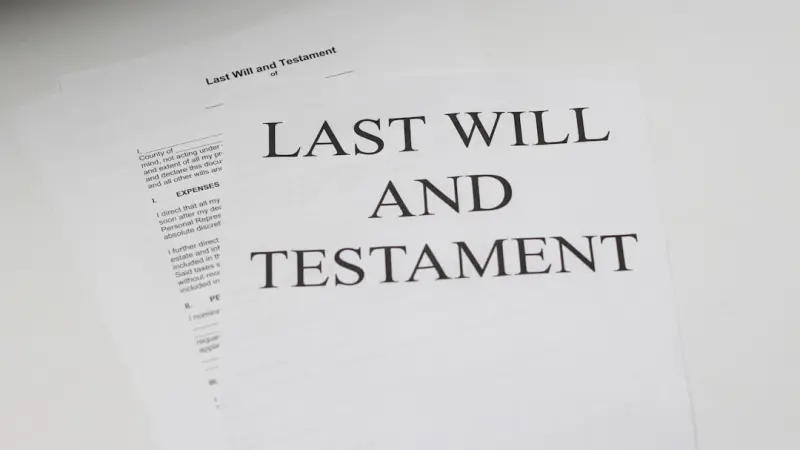
Why One‑Size‑Fits‑All Trusts Miss the Mark
In my years of guiding families through the labyrinth of trusts, I’ve learned that a generic trust document is a false promise of security; it often leaves hidden gaps that only surface when life throws its inevitable curveballs. A well‑crafted trust must reflect the unique financial tapestry, relational dynamics, and long‑term aspirations of each household, otherwise the very instrument meant to preserve wealth can become a source of conflict and unintended tax consequences.
The Hidden Risks of DIY Trust Platforms
The allure of low‑cost, do‑it‑yourself trust builders is understandable, especially when online tools market themselves as “instant legal protection,” but the reality is that these platforms rarely account for the nuanced state‑specific statutes, creditor‑proof provisions, or the subtle interplay between a trust and a family’s existing insurance policies. When a platform skips the deep dive into your family’s blended structure, you may end up with a trust that fails to honor step‑children’s rights or misclassifies assets, leading to probate exposure and costly litigation. Moreover, the same engines that power modern contract tools for couples often lack the sophisticated triggers needed to adapt to future changes such as remarriage, special needs guardianship, or the emergence of new asset classes.
Blended Families: Crafting Trusts That Honor Every Member
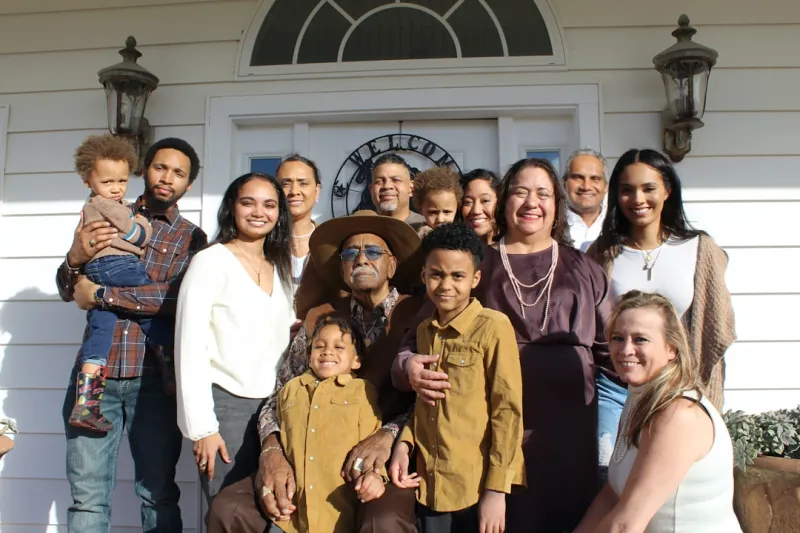
When two families merge, the trust must function like a carefully choreographed dance, balancing the interests of biological children, step‑children, and any future heirs without creating resentment or perceived favoritism. This calls for separate share allocations, protective spend‑thrift provisions, and clear successor trustee designations that can pivot as relationships evolve. By embedding conditional distributions—such as age‑based milestones or educational achievements—you safeguard the trust’s purpose while giving each beneficiary a transparent path to their inheritance. The result is a living document that respects the emotional complexities of blended families and mitigates the risk of post‑mortem disputes that can erode both wealth and relationships.
Education Trusts: Investing in the Future of Young Beneficiaries
One of the most powerful ways to use a trust is to earmark funds specifically for a child’s or grandchild’s education, shielding those resources from premature depletion and ensuring they are applied toward higher‑learning goals. By establishing an education trust, you can set parameters such as tuition‑only disbursements, stipulations for accredited institutions, or even performance‑based releases tied to academic achievement. These provisions not only keep the money focused on its intended purpose but also provide a clear framework for trustees to follow, reducing the likelihood of mismanagement. Additionally, education trusts can be structured to take advantage of tax‑efficient growth, allowing the assets to compound over decades before the first distribution is required.
Funding Long‑Term Care Through Trust Mechanisms
With rising healthcare costs and the unpredictable nature of long‑term care needs, incorporating a dedicated care‑fund provision within a trust can preserve a family’s wealth while qualifying the grantor for Medicaid eligibility, if structured correctly. Options such as a Medicaid‑qualified “spousal irrevocable trust” or a “qualified personal residence trust” allow assets to remain protected from estate taxes and creditor claims while still providing a safety net for future care expenses. The key is to balance the irrevocability of these trusts with flexibility; a well‑drafted amendment clause can enable the trustee to reallocate funds should the beneficiary’s health circumstances shift dramatically, ensuring the trust remains a living tool rather than a rigid shell.
Charitable Remainder Trusts: Merging Legacy with Tax Benefits
For families eager to leave a philanthropic imprint, a charitable remainder trust (CRT) offers a dual advantage: an immediate charitable deduction for the donor and a steady income stream for non‑charitable beneficiaries during their lifetimes. By selecting a unit‑or‑percentage payout structure, you can tailor the trust’s cash flow to meet retirement needs while ensuring that the remainder—often a significant sum of appreciated assets—passes tax‑free to a chosen charity. This strategy not only reduces estate tax exposure but also aligns the family’s values with a lasting legacy, turning wealth preservation into a vehicle for social impact.
Asset Protection vs. Tax Planning: Finding the Sweet Spot
While many clients approach trusts with the expectation of shielding assets from every possible creditor, an overly aggressive protection strategy can unintentionally raise red flags with tax authorities, especially if the trust’s primary purpose appears to be tax avoidance. The art lies in crafting a trust that genuinely serves legitimate family objectives—such as succession planning, care for a special‑needs relative, or charitable giving—while integrating protective language that withstands scrutiny. By incorporating “spend‑thrift” clauses, appropriate trustee powers, and clear intent statements, you create a defensible structure that balances protection with compliance, preserving both wealth and reputation.
Digital Footprints: Extending Trusts to Online Identities and Domain Names
Even as we move beyond the traditional realm of real‑estate and investments, the modern estate includes a sprawling digital presence—social media accounts, domain portfolios, and even virtual land in emerging metaverses. Though the topic of crypto inheritance has been explored extensively, the broader category of digital assets deserves equal attention; a comprehensive trust should detail the management, transfer, and termination procedures for each online asset to prevent unauthorized use or loss. By referencing the latest guidelines on digital estate planning, you can ensure that your heirs inherit not just your financial wealth but also the curated online legacy you have built over decades.
Choosing Professional Counsel: Red Flags and Due Diligence
When it comes to drafting a trust that truly reflects your family’s complexity, the right attorney can be the difference between a seamless transition and a courtroom battle. Red flags include practitioners who rely heavily on templated documents, lack experience with blended‑family dynamics, or are unwilling to discuss fee structures transparently. I recommend seeking counsel who specializes in trust and estate law, holds a strong track record with multi‑generational planning, and is comfortable integrating modern tools without compromising legal rigor. A collaborative approach—where the attorney, financial planner, and you as the grantor co‑create the trust—ensures that every nuance is captured and that the final instrument stands up to both familial expectations and legal scrutiny.
Conclusion: Trusts as Living Instruments for Future‑Focused Families
The most effective trusts are not static artifacts locked away in a safe deposit box; they are living instruments that evolve alongside the families they serve, adapting to new relationships, changing financial landscapes, and emerging digital realities. By resisting the temptation of one‑size‑fits‑all solutions, embracing tailored provisions for blended families, education, long‑term care, charitable giving, and digital assets, you lay a foundation that safeguards wealth, honors values, and minimizes friction across generations. If you’re ready to move beyond generic templates and create a trust that truly works for your unique story, let’s start a conversation and build a roadmap that aligns with both your immediate needs and your lasting legacy.

Steven McClurry is a freelance writer. He loves to write controversial topics and on a wide rang of topics. When is not online he is hanging out at his college campus or playing online games.
Related Posts
Future‑Proofing Your Legacy: Trusts, Digital Assets, and the New Family Dynamics
Explore innovative estate planning techniques that integrate digital asset inventories, dynamic trus... Read More

Guarding Your Digital Afterlife: Trusts for Social Media, Crypto, and Online Assets
Digital assets—from cryptocurrency and NFTs to social‑media profiles—are valuable but vulnerab... Read More
Digital Heirlooms: Crafting Trusts for the Age of Crypto and AI
A forward‑looking guide for families and trustees on integrating cryptocurrency, NFTs, and other d... Read More
Top Posts
Divorce in 2024: Allison Jarvis’s Insider Guide to Navigating the New Legal Landscape
Allison Jarvis breaks down 2024’s divorce revolution, from digital courts to flexible custody, offering actionable guidance for a smoother, empowered separati...Read More
Why Modern Families Need a Fresh Look at Divorce, Custody, and Insurance
Steven McClurry unpacks the hidden costs of divorce, digital custody trends, and insurance pitfalls, offering families actionable advice for navigating today’...Read More
Navigating Divorce in the Digital Age: A Personal Roadmap
A personal, step‑by‑step guide to navigating divorce today—covering legal tactics, financial safeguards, mediation, and reclaiming identity after the spli...Read More

Virtual Visitation: Crafting Digital Custody Plans That Work
Virtual visitation is becoming a cornerstone of modern custody arrangements. This article explains the legal shifts, key considerations, and practical steps par...Read More
0 Comments
Post Comment
You will need to Login or Register to comment on this post!