

Why Criminal Law No Longer Stands Alone
Criminal law today feels less like a static set of statutes and more like a living organism constantly adapting to the pulse of technology, and from my years of courtroom advocacy I have learned that the most successful litigators are those who treat each new gadget, each algorithmic insight, and each data stream as a potential witness rather than a mere backdrop. The proliferation of smartphones, body‑camera footage, and cloud‑based storage means that evidence can be captured, replicated, and examined at a speed that would have been unimaginable a decade ago, and this acceleration forces prosecutors and defense attorneys alike to rethink the very foundations of proof, relevance, and admissibility. In this rapidly shifting environment, I find myself repeatedly emphasizing that the rule of law must evolve in lockstep with the tools that shape human behavior, lest the scales of justice tip irreparably toward either unchecked state power or unbridled digital anonymity.
Digital Evidence: The Double‑Edged Sword
When a suspect’s Instagram story, a TikTok livestream, or a GPS ping from a rideshare app becomes the centerpiece of a murder trial, the courtroom transforms into a hybrid arena where forensic analysts sit beside traditional detectives, and the judge must grapple with questions that were once confined to academic law reviews. The sheer volume of metadata—timestamps, location coordinates, even the subtle metadata hidden in image EXIF tags—offers prosecutors a treasure trove of corroboration, yet the same data can be weaponized by defense teams to expose procedural missteps, chain‑of‑custody breaches, or algorithmic bias that undermines the credibility of the evidence; this tension underscores why I constantly remind my colleagues that every byte of data carries both probative value and a risk of prejudice. Moreover, the rapid diffusion of digital evidence across social media platforms creates a parallel “court of public opinion” that can prejudice jurors before they even enter the jury box, a phenomenon that forces us to reconsider jury instructions, voir dire strategies, and even the very notion of a fair trial in the age of viral content.
The Rise of Predictive Policing and AI
Predictive policing platforms promise to allocate resources more efficiently by analyzing historic crime data, but they also embed historical biases that can perpetuate over‑policing in marginalized neighborhoods, a reality I have witnessed firsthand when defending clients who were flagged by an algorithm before any tangible wrongdoing occurred. In one recent case, the prosecution leaned heavily on a risk‑assessment score generated by a proprietary AI model, and I was forced to call an expert witness to dissect the model’s training set, its opaque weighting of variables such as zip code and prior arrests, and the lack of transparent oversight—a line of attack that ultimately persuaded the judge to suppress the score as unreliable; this experience illustrates why I routinely point readers to When Algorithms Meet the Gavel: Navigating the New Frontier of Criminal Law for a deeper dive into the legal challenges posed by algorithmic decision‑making. The broader lesson is clear: as AI becomes an increasingly common “partner” in investigations, attorneys must develop a forensic fluency in data science to protect their clients’ constitutional rights and to ensure that the promise of technology does not eclipse the presumption of innocence.
Defending Privacy in an Era of Surveillance
Mass surveillance tools, from city‑wide CCTV networks to facial‑recognition software deployed by private security firms, have created a paradox where the state can monitor citizens with unprecedented granularity while simultaneously claiming to uphold civil liberties, a paradox that sits at the heart of every defense strategy I craft in the modern courtroom. The legal battle often begins with a motion to exclude footage that was obtained without a proper warrant or that relied on technology that fails to meet the rigorous standards of reliability established in cases such as Kyllo v. United States, and I have found that a compelling narrative that frames the surveillance as an unconstitutional “search” can sway both judges and juries, especially when the defense highlights how the technology’s error rate—sometimes exceeding 30 percent in low‑light conditions—creates a reasonable doubt about the defendant’s identification; this approach aligns with the principle that the protection of privacy must remain a cornerstone of criminal procedure even as surveillance capabilities expand. In practice, I also advise clients on digital hygiene—encrypting communications, using VPNs, and understanding the limits of consent—because prevention, not just reaction, is quickly becoming a vital component of criminal defense.
The Digital Gavel: Courtrooms Embrace Technology
Courts across the country have adopted electronic filing systems, virtual hearings, and real‑time transcription services, and while these innovations promise greater efficiency, they also raise questions about due process, accessibility, and the preservation of the solemnity of the judicial ritual that I cherish; for example, the shift to video conferencing has been a boon for remote witnesses who would otherwise face prohibitive travel costs, yet it also introduces technical glitches that can disrupt testimony, create inequities for parties lacking reliable internet, and even affect juror perception through subtle visual cues. In a recent trial, the judge permitted a live‑streamed sentencing hearing to accommodate a victim’s family living abroad, and the defense raised a motion arguing that the public broadcast could prejudice the defendant’s right to a private hearing; the court ultimately balanced transparency with privacy by imposing a sealed transcript for the public, a decision that illustrates the delicate choreography required when technology meets tradition. For a comprehensive exploration of how these tools reshape the legal landscape, see The Digital Gavel: How Technology is Reshaping Criminal Law, which delves into the ethical, procedural, and practical implications of a courtroom that now lives as much online as it does offline.
Data‑Driven Sentencing Reform
Sentencing commissions are increasingly relying on big‑data analytics to identify disparities, forecast recidivism, and recommend individualized correctional plans, and this data‑centric approach offers a powerful lever for reform but also carries the danger of reducing complex human behavior to a numeric score that may overlook contextual factors such as mental health, socioeconomic status, or community ties; when I argue for a reduced sentence based on a client’s low risk score, I must simultaneously confront the critique that algorithms can embed systemic biases, a tension that requires me to present both statistical evidence and a human narrative that together paint a fuller picture of the defendant’s potential for rehabilitation. In practice, I have worked with social scientists to challenge risk‑assessment tools that disproportionately flag minorities, and I have successfully persuaded judges to consider alternative sentencing options—community service, treatment programs, or restorative justice circles—by demonstrating that the data, while useful, is not the sole arbiter of justice; this balanced approach aligns with the conviction that fairness in sentencing must be informed by data yet tempered by compassion and individualized assessment. The ongoing dialogue between technologists, policymakers, and practitioners promises to evolve, and staying abreast of these developments is now a professional imperative for any attorney who wishes to advocate effectively in a data‑rich legal environment.
Victim Rights in the Digital Age
Victims of cyberstalking, identity theft, and online harassment often find themselves navigating a legal maze where traditional statutes lag behind the rapid emergence of new offenses, and my experience representing such victims has taught me that a proactive, technology‑savvy approach is essential to secure protective orders, restitution, and criminal convictions; this includes gathering digital footprints, preserving server logs, and collaborating with cybersecurity experts to trace the origins of malicious code, all while ensuring that the victim’s privacy is not further compromised by the very evidence collection process. Courts are beginning to recognize the unique harms inflicted by digital crimes, and recent rulings have expanded the scope of victim impact statements to include emotional distress caused by viral dissemination of personal data, a development that empowers survivors to articulate the full extent of their suffering; however, the balance remains delicate, as overly broad discovery requests can retraumatize victims or expose them to additional privacy breaches, underscoring why I consistently advocate for protective orders that limit the disclosure of sensitive information during pre‑trial motions. By foregrounding the lived experience of victims alongside the technical intricacies of digital evidence, we reinforce the principle that justice must protect both the accused and those whose lives are irrevocably altered by crime, a dual mandate that lies at the heart of a humane criminal justice system.
Preparing for the Next Wave of Legal Innovation
Looking ahead, emerging technologies such as blockchain‑based evidence logs, immersive virtual‑reality reconstructions of crime scenes, and quantum‑resistant encryption are poised to further transform how we gather, preserve, and present evidence, and as an attorney I view these tools not merely as curiosities but as strategic assets that can either bolster a client’s case or introduce new vulnerabilities if left unchecked; for instance, a blockchain‑anchored chain of custody can provide an immutable record that strengthens admissibility, yet it also raises questions about jurisdiction, the enforceability of smart contracts, and the potential for malicious actors to exploit cryptographic flaws. To stay competitive, I encourage fellow practitioners to cultivate interdisciplinary collaborations—partnering with technologists, ethicists, and policy analysts—to develop best‑practice guidelines that address both the opportunities and the ethical dilemmas inherent in these innovations; this proactive stance ensures that we are not merely reacting to technological change but shaping its integration into the justice system in a way that upholds due process, transparency, and public trust. In sum, the future of criminal law will be defined by our ability to harness technology without surrendering the core values that have long guided our profession, a challenge that demands both intellectual rigor and a steadfast commitment to the human stories at the center of every case.
Conclusion: Embracing Change While Guarding Justice
The intersection of criminal law and technology is no longer a speculative frontier but a lived reality that every courtroom, every prosecutor, and every defense attorney must confront daily, and my career has shown me that the most resilient legal practitioners are those who view technological disruption not as a threat to the rule of law but as an invitation to reaffirm it through thoughtful, evidence‑based advocacy; by mastering digital evidence, challenging algorithmic bias, and championing victim‑centered reforms, we can ensure that the scales of justice remain balanced even as the tools that weigh them evolve. I invite readers to explore the broader implications of these trends through related analyses such as When Algorithms Meet the Gavel: The New Reality of Criminal Law, and to join the conversation about how we, as a legal community, can shape a future where technology amplifies fairness rather than erodes it. Ultimately, our duty is to safeguard the principles of liberty, equality, and due process, and to do so we must remain vigilant, adaptable, and ever‑mindful of the human faces behind every digital file.

Related Posts

When Bytes Become Evidence: Navigating Criminal Law in the Digital Age
Digital footprints are now the crime scene of the 21st century. Discover how courts treat electronic... Read More
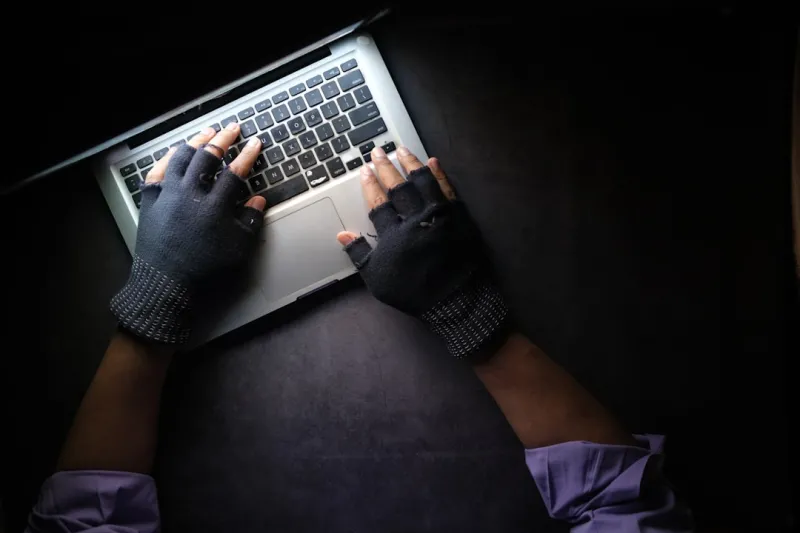
The Digital Gavel: How Technology is Reshaping Criminal Law
In the age of algorithms, criminal law faces unprecedented change. From AI-driven risk tools to digi... Read More

When Algorithms Meet the Gavel: Criminal Law in the Age of AI
An in‑depth look at how deep‑fake videos, algorithmic policing, and cryptocurrency offenses are ... Read More
Top Posts
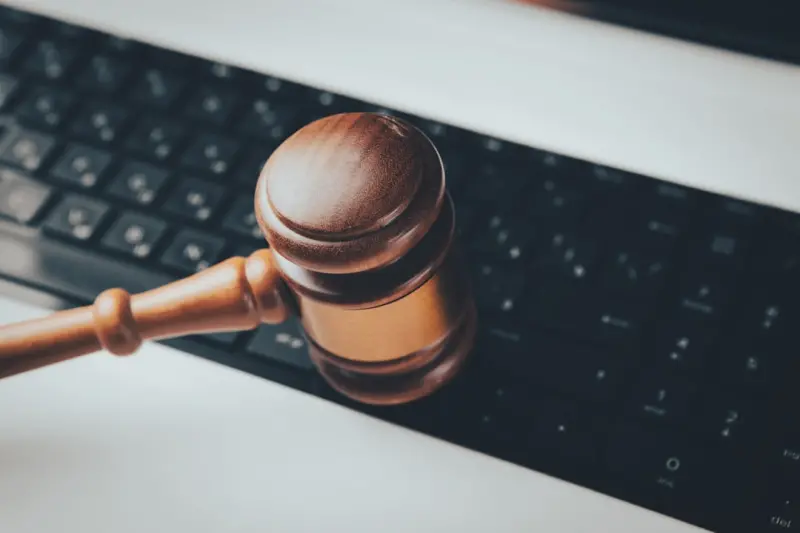
When Algorithms Patrol: The Legal Battle Over Predictive Policing
A deep dive into predictive policing’s rise, its legal pitfalls, and how defense teams are adapting to safeguard constitutional rights....Read More

When Virtual Reality Trips Turn Real: Personal Injury Law in Immersive Worlds
As VR and AR become mainstream, injuries from immersive experiences raise fresh legal questions. This post examines liability, safety best practices, and what i...Read More

Rethinking Impaired Driving Policies for the Gig Economy
The gig economy demands a fresh approach to impaired driving, blending real‑time telemetry, comprehensive substance policies, and proactive education to prote...Read More

Grandparents' Rights and Visitation: A Modern Legal Guide
A comprehensive guide for grandparents seeking visitation—legal foundations, filing steps, evidence tips, and future trends to protect family connections....Read More
0 Comments
Post Comment
You will need to Login or Register to comment on this post!