

Why Search Intent Is No Longer a Static Concept
Search intent has morphed from a simple “informational vs. transactional” dichotomy into a fluid, context‑driven experience that reacts to device, location, and even the user’s emotional state. Modern users expect answers before they finish typing, and Google’s algorithms have caught up by rewarding content that anticipates the next logical step in a searcher’s journey. This shift means that keyword research alone is insufficient; you must map out the entire decision pathway, from the seed query to the post‑click interaction, and align each piece of content to a specific stage of that path. The result is a hierarchy of micro‑intents that demand precise, purpose‑filled copy, schema markup, and a seamless UX that keeps the user moving forward without friction.
Voice Search Is Reshaping Keyword Strategies
With smart speakers and mobile assistants becoming household staples, the way people phrase queries has become decidedly conversational. Instead of typing “best SEO tools,” a user might ask, “What’s the best tool to boost my website’s ranking?” This natural‑language format alters the semantic landscape, pushing marketers to incorporate question‑based phrases and long‑tail variations that mirror spoken language. The impact is twofold: first, content must be structured to answer direct questions succinctly, often within a featured snippet format; second, on‑page optimization must account for local relevance, as voice searches frequently include “near me” or “in my area.” Embracing this trend means re‑evaluating your content pillars and ensuring that each piece can be distilled into a clear, concise answer that satisfies a voice‑activated query.
Semantic Clustering Over Traditional Silos
Rather than building isolated pages targeting individual keywords, successful sites now employ semantic clustering to demonstrate topical authority. By interlinking related articles under a cohesive pillar, you signal to search engines that your site comprehensively covers a subject, boosting the ranking potential for every piece within the cluster. This approach also enhances user experience, offering a logical pathway for readers to dive deeper without feeling lost. To implement it effectively, start with a core topic, then identify sub‑themes, questions, and supporting data that naturally extend from the main idea. Each sub‑theme becomes a supporting page, linked back to the pillar with contextual anchor text that reinforces relevance.
Leveraging Structured Data for Rich Results
Search engines increasingly rely on structured data to understand the nuance of your content, and the payoff is access to rich snippets, knowledge panels, and other SERP features that dramatically increase click‑through rates. Implementing JSON‑LD markup for articles, FAQs, and how‑to guides provides explicit signals about the content’s purpose, allowing Google to surface it in more engaging formats. For example, a well‑crafted FAQ schema can appear directly in the answer box, delivering immediate value to the user and reducing the steps needed to find the information. Remember to validate your markup using Google’s Rich Results Test and keep it up‑to‑date as schema versions evolve.
Content Freshness: Balancing Evergreen Value with Timely Updates
Google’s algorithms reward freshness, but not at the expense of depth. Evergreen content—comprehensive guides that remain relevant over years—still forms the backbone of authority, yet periodic updates inject the freshness signal needed to maintain rankings. This balance involves revisiting pillar pages quarterly, adding new statistics, updating best‑practice recommendations, and refining internal links to reflect emerging sub‑topics. By treating content as a living asset rather than a one‑off project, you create a sustainable SEO engine that adapts to changing user behavior while preserving the foundational authority that search engines prize.
Human‑Centric Optimization in an AI‑Dominated Landscape
While AI tools can generate drafts at scale, the ultimate differentiator remains the human touch. Readers crave authenticity, nuanced insight, and a tone that resonates with their specific pain points. Incorporating personal anecdotes, case studies, and expert quotes not only enriches the narrative but also signals expertise, authoritativeness, and trustworthiness—E‑E‑A‑T—principles that Google emphasizes. Moreover, using AI responsibly means employing it for research, data analysis, and ideation, while reserving the final editorial decisions for human judgment. This hybrid workflow maximizes efficiency without sacrificing the depth that search engines reward.
Measuring Success Beyond Rankings
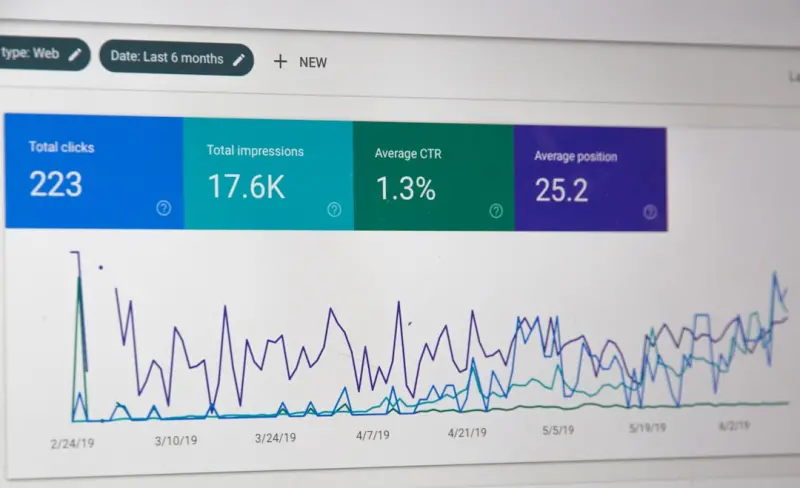
Traditional SEO metrics like keyword position are no longer sufficient indicators of performance. Modern measurement frameworks prioritize user engagement signals—dwell time, scroll depth, and conversion pathways—that reflect true content value. Implementing advanced analytics, such as event tracking for scroll percentages and heatmaps for click patterns, provides granular insight into how visitors interact with your pages. These data points inform iterative improvements, allowing you to fine‑tune headings, media placement, and call‑to‑action placement to better align with user intent and ultimately drive higher ROI.
Internal Linking as a Strategic Asset
Effective internal linking does more than distribute link equity; it orchestrates the user journey, guiding readers from broad overviews to detailed deep‑dives. By using descriptive anchor text that reflects the target page’s intent, you reinforce semantic relevance and help crawlers understand site architecture. For instance, linking to a detailed guide on “semantic clustering” from a broader article about “SEO strategy evolution” creates a logical hierarchy that boosts both pages’ authority. Remember to audit your link structure regularly, fixing broken links and ensuring that each new piece fits organically into the existing web of content.
Future‑Proofing Your SEO Strategy
Looking ahead, the convergence of AI, voice, and visual search will demand even more adaptable content frameworks. Preparing now means investing in modular content blocks that can be repurposed across formats—text, audio, video, and interactive widgets—ensuring that your core message can be delivered wherever users search. Additionally, staying abreast of emerging standards like Google’s Passage Indexing and the upcoming Core Web Vitals updates will keep your site resilient against algorithmic shifts. By embracing a forward‑thinking mindset, you transform SEO from a reactive tactic into a strategic advantage that fuels sustainable growth.
Putting It All Together: A Tactical Checklist
- Audit existing content for semantic relevance and update with voice‑friendly phrasing.
- Implement structured data (FAQ, How‑To, Article) using JSON‑LD.
- Develop pillar‑cluster models for core topics, interlinking with descriptive anchors.
- Schedule quarterly reviews to refresh statistics and best practices.
- Leverage AI for research but retain human editing for authenticity.
- Track engagement metrics (dwell time, scroll depth) alongside rankings.
- Continuously monitor emerging search features and algorithm updates.
By following this roadmap, you’ll not only climb the SERPs but also deliver an experience that meets the evolving expectations of modern searchers. For deeper insight into building topic clusters, check out Unlocking SEO Success with Topic Clusters and Semantic Indexing. And if you’re curious about how content can intersect with broader legal considerations, see When Pixels Turn Dangerous: The Criminal Law Response to Online Harassment.

Kris Kennel is a Paralegal outside of Austin, Texas where he spends most of his time helping users with legal matters that concern them. When he is not working he enjoys time with his wife and kids.
Related Posts

The SEO Evolution: Why Data, Storytelling, and Strategy Matter More Than Ever
Explore the shift from keyword stuffing to a balanced SEO approach that marries data insights, compe... Read More

Listening to the Future: Mastering Voice Search and Conversational SEO
Voice search is reshaping how users find information. Learn the strategies—conversation‑first co... Read More
Semantic Content Clusters: The New Frontier for Voice Search
Discover a step‑by‑step framework for creating semantic content clusters that align with voiceâ€... Read More
Top Posts

The Intersection of Automotive Law and Family Law: A Complex Web of Liability
The intersection of automotive law and family law can be complex. Learn how to navigate liability in car accidents and ensure fair compensation for your family ...Read More

Divorce in 2024: Margaret Strawbridge’s Fresh Perspective on the Modern Split
Margaret Strawbridge offers a candid, forward‑thinking look at divorce in 2024, covering finances, tech, custody, and emotional health, helping readers turn c...Read More

The Interplay Between Insurance Law and Family Dynamics: A Complex Web of Rights and Responsibilities
The intersection of insurance law and family dynamics is a complex and nuanced area of practice. Learn how insurance law shapes family relationships and vice ve...Read More

Love, Ledger, and Legal Loopholes: Modern Marriage Law Redefined
A deep dive into how digital assets, global mobility, and AI tools are transforming marriage law, offering practical guidance for couples navigating these new l...Read More
0 Comments
Post Comment
You will need to Login or Register to comment on this post!