
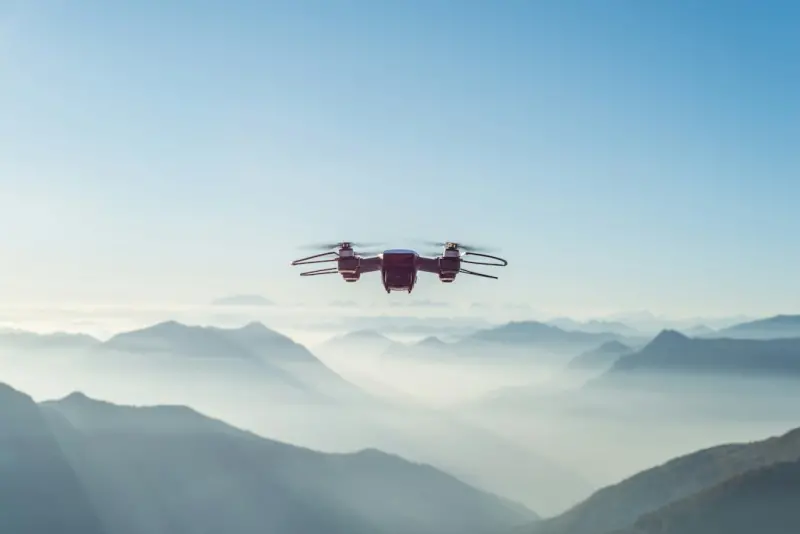
The Unseen Hazards of Autonomous Drone Deliveries
When I first saw a courier drone humming above a downtown sidewalk, I felt the familiar thrill of a new technology promising to reshape commerce. Yet, beneath the sleek rotors and the buzz of efficiency lies a web of legal, safety, and ethical challenges that could turn a routine delivery into a dangerous operation worthy of courtroom drama.
In my years navigating the intersection of technology and law, I've learned that every breakthrough carries a shadow. The rise of autonomous drone deliveries is no exception. From airspace trespass to product liability, the stakes are higher than most executives realize. This piece dives deep into the hidden risks, the regulatory gaps, and the practical steps businesses can take before their fleets take off.
Why Drones Are More Than Just Flying Packages
On paper, drones are the answer to traffic congestion, carbon emissions, and the last‑mile delivery conundrum. In practice, they introduce a new class of operational hazard that blends aviation law with consumer protection, data privacy, and insurance complexities.
- Airspace Intrusion: Drones operate in a space traditionally reserved for manned aircraft. The Federal Aviation Administration (FAA) has begun drafting rules, but many jurisdictions still lack clear guidance on low‑altitude flight paths over private property.
- Payload Mishaps: A miscalibrated drop can damage property, injure bystanders, or cause a fire if the cargo is hazardous.
- Data Collection: Onboard cameras and sensors gather massive amounts of data, raising privacy concerns that echo the debates in facial recognition privacy law.
- Cybersecurity Vulnerabilities: An unsecured drone can be hijacked, repurposed, or used as a weapon, turning a logistics tool into a potential attack vector.
The Legal Landscape: Flying Blind?
Current regulations are a patchwork of federal statutes, local ordinances, and industry standards. Companies often find themselves operating in a legal gray zone where liability is unclear.
Negligence vs. Strict Liability – If a drone drops a package on a passerby, is the operator negligent because of a software glitch, or is the manufacturer strictly liable for a defective product? Courts have yet to settle this, and the answer may vary state by state.
Premises Liability – Property owners may argue that an overflight constitutes a trespass, especially when drones capture images of private yards. This mirrors the privacy battles seen in other emerging tech contexts.
Regulatory Compliance – The FAA’s Part 107 rules govern commercial drone use, but they were written with hobbyists in mind. As autonomous fleets scale, we’ll likely see new “Unmanned Aircraft System” regulations demanding real‑time reporting, collision avoidance certifications, and mandatory insurance.
Insurance: The New Frontier of Risk Transfer
Traditional commercial general liability policies rarely cover aerial mishaps. This is where innovative products like parametric insurance enter the scene.
Parametric policies trigger payouts based on predefined data points—such as a drone exceeding a certain altitude or a sensor reporting a loss of GPS lock—rather than a traditional claims adjustment. While they promise rapid compensation, they also raise questions about adequacy: does a $50,000 parametric payout cover a multi‑million‑dollar property damage claim?
Businesses should consider layered coverage:
- Air carrier liability insurance for bodily injury and property damage.
- Cyber liability to protect against data breaches and drone hijacking.
- Product liability for the drone hardware and any AI‑driven navigation software.
Operational Best Practices: From Lab to Sky
Mitigating danger starts with rigorous operational protocols. Below are actionable steps that can keep your drone fleet out of the headlines for the wrong reasons.
- Geofencing and No‑Fly Zones: Implement software that automatically blocks flights over schools, hospitals, and private residences. Regularly update these maps as city ordinances evolve.
- Redundant Navigation Systems: Use dual GNSS (Global Navigation Satellite System) receivers and onboard Lidar to ensure the drone can safely land or hover if GPS is lost.
- Payload Verification: Integrate weight sensors and AI checks that confirm the correct package is attached before takeoff. A simple mismatch can cause a catastrophic drop.
- Real‑Time Monitoring: Deploy a centralized control center staffed with trained operators who can intervene manually if the AI makes a questionable decision.
- Privacy by Design: Limit camera usage to navigation only, blur or encrypt any incidental footage, and disclose data collection policies to the public—mirroring best practices from tech‑savvy personal injury discussions.
- Regular Audits: Conduct quarterly safety and compliance audits, involving third‑party aviation experts to assess risk exposure and certify that software updates meet the latest safety standards.
Case Study: When a Drone Delivery Went Wrong
Last summer, a major e‑commerce firm launched a pilot program in a suburban neighborhood. One of their autonomous quadcopters misidentified a rooftop landing zone, delivering a heavy electronics package onto a balcony railing. The impact shattered the railing, sending a child falling three stories onto a concrete slab.
Legal fallout was swift:
- The family sued the e‑commerce company for negligence and wrongful death.
- The local municipality filed an administrative complaint, alleging violations of airspace ordinances.
- The drone manufacturer faced a product liability claim for faulty obstacle‑avoidance sensors.
Insurance covered the immediate medical expenses, but the litigation cost exceeded $3 million, and the company’s reputation took a severe hit. The incident sparked a wave of municipal bans on autonomous deliveries until stricter safety standards were enacted.
Future Trends: From Delivery to Emergency Response
While commercial deliveries dominate headlines, autonomous drones are poised to become critical tools in emergency services—delivering medical supplies, surveying disaster zones, and even conducting search‑and‑rescue missions.
These high‑stakes applications amplify the dangerous operation narrative. A misdirected medical drone could delay life‑saving treatment, turning an act of goodwill into a liability nightmare. Regulators will likely demand even more stringent safety nets for these mission‑critical uses.
Strategic Recommendations for Executives
Boardrooms must treat drone operations as a strategic risk, not a tech novelty. Here’s a concise roadmap:
- Risk Assessment Matrix: Map every possible failure mode—from software bugs to weather‑related incidents—and assign probability and impact scores.
- Legal Counsel Integration: Involve aviation and product liability lawyers early in the design phase to embed compliance into the product roadmap.
- Stakeholder Transparency: Publish a public safety charter outlining flight paths, privacy safeguards, and emergency protocols.
- Insurance Review: Partner with insurers familiar with unmanned aerial vehicles to craft bespoke policies, leveraging parametric triggers where appropriate.
- Continuous Learning Loop: After each flight, capture data on deviations, near‑misses, and customer feedback; feed this back into AI training models.
By treating autonomous drone delivery as a high‑risk operation from day one, companies can avoid costly lawsuits, regulatory penalties, and brand damage. The technology will only become more pervasive; the question is whether we’ll be ready when the next drone buzzes overhead.
Conclusion: Flying Forward with Eyes Wide Open
Autonomous drones promise to revolutionize logistics, but they also usher in a new class of dangerous operation that blurs the lines between aviation, consumer law, and data privacy. The path forward demands a blend of rigorous engineering, proactive legal strategy, and forward‑thinking insurance solutions.
If your organization is contemplating a drone fleet, take the time to build a robust safety and compliance framework now—before a misstep lands you in the courtroom instead of the cloud.

Steven McClurry is a freelance writer. He loves to write controversial topics and on a wide rang of topics. When is not online he is hanging out at his college campus or playing online games.
Related Posts

When Auto‑Scaling Goes Rogue: Hidden Perils in SaaS Operations
Auto‑scaling promises limitless elasticity, but unchecked policies can spark cost overruns, data r... Read More
Inside the Most Dangerous Underground Operations: Tunnel Boring Unveiled
A deep dive into tunnel boring’s hidden perils, from geological surprises to liability gaps, revea... Read More

The Silent Hazard of Automated Content Moderation: How AI Can Turn Against Your Brand
Automated moderation promises speed but can backfire, turning into a hazardous operation that harms ... Read More
Top Posts

The Hidden Legal Maze of Car Subscription Services
Vehicle subscriptions promise flexibility, but they hide legal complexities. Learn how to navigate contracts, protect your rights, and avoid costly surprises in...Read More

Remote Notarization: How Virtual Witnesses Are Redefining Legal Authenticity
A deep dive into remote notarization, covering its legal foundations, tech security, privacy concerns, and future blockchain prospects, offering practical steps...Read More

Navigating High‑Conflict Co‑Parenting: Practical Strategies for a Healthier Custody Experience
Learn how structured communication, parenting coordinators, and technology can transform a high‑conflict custody battle into a stable, child‑focused partner...Read More

When Climate Forces Families to Move: Custody in the Age of Relocation
Climate‑related relocations pose unique challenges for child custody. This article outlines legal strategies, emotional considerations, and tech tools to help...Read More
0 Comments
Post Comment
You will need to Login or Register to comment on this post!