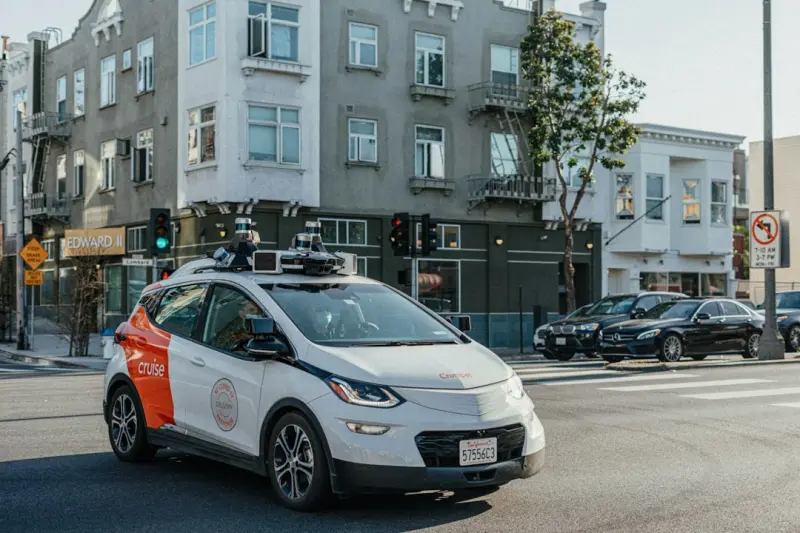
When you think of automotive law, you probably picture the classic trio: traffic citations, dealer disclosures, and the occasional lemon law dispute. What most people don’t anticipate is how quickly that familiar landscape is being upended by the surge of autonomous and semi-autonomous vehicles. The technology is no longer a futuristic curiosity; it’s on our streets, in our garages, and increasingly, in our legal briefs. This shift forces legislators, insurers, manufacturers, and litigators to ask uncomfortable questions about fault, responsibility, and the very definition of “driving.”
From Driver Error to Algorithmic Fault
For more than a century, the legal system has treated the driver as the primary actor in a collision. Negligence analyses hinge on a person’s duty to operate a vehicle safely, a breach of that duty, causation, and damages. With self-driving cars, the “person” may be a piece of software executing a split-second decision. When an autonomous system misinterprets a pedestrian’s intent or fails to recognize a stop sign, who bears the legal burden?
The answer is rarely simple. Courts are beginning to apply a hybrid approach, examining both the vehicle’s hardware and the human occupant’s role. In many jurisdictions, a “shared responsibility” model is emerging, where the driver (or vehicle owner) remains liable for maintaining the system-keeping software up-to-date, calibrating sensors, and intervening when alerts appear-while the manufacturer is accountable for design defects and inadequate testing.
Redefining the Duty of Care
The traditional duty of care presumes a driver’s capacity to perceive, anticipate, and react. Autonomous systems, however, rely on data streams, machine-learning models, and real-time sensor fusion. This raises a pivotal legal question: should the duty of care be measured against a human benchmark or an industry-standard algorithmic benchmark?
- Human-Centric Standard: Under this view, the driver is still expected to monitor the vehicle and intervene when necessary. Failure to do so could be deemed negligent, even if the vehicle’s technology performed as designed.
- Technology-Centric Standard: Here, the focus shifts to the manufacturer’s obligation to ensure the software meets a reasonable level of safety. The benchmark becomes the performance of comparable autonomous systems in the market.
Both standards have implications for insurance premiums, litigation strategies, and regulatory compliance. As state legislatures draft new statutes, they must decide which framework aligns with public policy goals-protecting consumers without stifling innovation.
Product Liability in the Age of Code
Product liability law traditionally addresses physical defects-manufacturing flaws, design errors, and inadequate warnings. With autonomous vehicles, the “defect” may reside in a line of code that misclassifies an object or a sensor that fails under specific weather conditions.
Courts are already wrestling with this nuance. In a recent case, a driver sued a manufacturer after the car’s autonomous mode failed to recognize a partially obscured cyclist. The plaintiff’s counsel argued that the software’s “design” was defective because it did not account for common urban scenarios. The defense countered that the driver had a duty to remain alert and take control, as outlined in the vehicle’s user manual.
The outcome hinged on whether the software was deemed a “component” of the vehicle or an independent “product.” If classified as a component, manufacturers might escape full liability, shifting responsibility to the vehicle owner for proper maintenance and updates. If treated as a product, the full weight of strict liability could fall on the automaker.
Regulatory Patchwork and the Need for Uniformity
Today, the United States presents a patchwork of state regulations. California has issued detailed autonomous vehicle testing guidelines, while Michigan focuses on insurance requirements. Meanwhile, the National Highway Traffic Safety Administration (NHTSA) has released voluntary safety principles but lacks binding authority over the technology’s core algorithms.
Internationally, the European Union is moving toward a more prescriptive framework, mandating specific cybersecurity standards for connected cars. Japan’s Road Traffic Act has already been amended to recognize autonomous driving systems as “vehicle control equipment,” granting them a legal status similar to steering wheels and brakes.
This fragmented environment creates compliance headaches for manufacturers that sell globally. Companies must tailor their software updates, data-privacy policies, and safety features to meet disparate legal expectations, driving up development costs and slowing deployment.
Insurance Evolution: From Liability to Embedded Coverage
Traditional auto insurance policies are built around the premise that a human driver is at fault. As autonomous systems take the wheel, insurers are rethinking risk models. Some are introducing embedded insurance models that automatically adjust coverage based on the vehicle’s operating mode-manual, assisted, or fully autonomous.
These dynamic policies can lower premiums for drivers who rely heavily on autonomous features, rewarding safe software performance. Conversely, they may increase rates for manufacturers whose systems exhibit higher incident frequencies. Insurers are also exploring data-driven underwriting, leveraging telematics and AI to predict risk with unprecedented granularity.
The Role of Data Privacy and Cybersecurity
Autonomous vehicles generate massive amounts of data-video feeds, lidar point clouds, GPS trajectories, and driver interaction logs. This data is essential for improving algorithms but also presents privacy concerns. Regulators are beginning to treat vehicle data as personal information, subject to the same protections as medical or financial records.
In addition, cybersecurity breaches can have catastrophic physical consequences. A hacker who gains control of a vehicle’s steering system could cause crashes, leading to potential criminal liability for manufacturers who failed to implement robust safeguards. The legal community must therefore stay abreast of both privacy statutes and emerging cyber-risk standards.
Litigation Trends: What Lawyers Need to Know
Practitioners entering the automotive law arena should prepare for several emerging litigation trends:
- Mixed-Fault Claims: Cases where both driver inattention and software error contribute to a crash will become commonplace. Successful defense will require detailed forensic analysis of vehicle data logs.
- Class Actions Against Manufacturers: As more autonomous vehicles hit the road, groups of consumers may band together to sue manufacturers for systemic software flaws, similar to past class actions in the pharmaceutical sector.
- Regulatory Enforcement: Agencies like NHTSA may pursue civil penalties for non-compliance with safety standards, adding another layer of risk beyond private lawsuits.
Staying ahead of these trends means building a multidisciplinary team-combining expertise in tort law, product liability, data privacy, and technology assessment.
Financial Restructuring Lessons for the Auto Industry
While the auto sector isn’t immune to economic headwinds, the influx of autonomous technology creates capital-intensive pressures. Companies that fail to secure sufficient funding for research, testing, and compliance may face financial distress. Observers can draw parallels from other high-tech fields, such as the challenges highlighted in a recent discussion about financial restructuring in the tech sector. The key takeaway is that proactive strategic planning-whether through partnerships, joint ventures, or targeted equity raises-can mitigate the risk of insolvency as the industry navigates this transformative era.
Practical Steps for Stakeholders
Whether you are a lawyer, an automaker, an insurer, or a consumer advocate, the following actions can help you stay on the right side of the law:
- Audit Your Software Update Process: Ensure that all vehicle software patches are documented, signed, and deployed in compliance with emerging cybersecurity standards.
- Revise User Manuals: Clearly outline the driver’s responsibilities when operating in autonomous mode, including required monitoring and intervention protocols.
- Engage with Regulators Early: Participate in public comment periods and pilot programs to shape forthcoming regulations and avoid surprise compliance costs.
- Develop Data Governance Policies: Implement strict access controls, data minimization, and transparent privacy notices to meet both consumer expectations and legal obligations.
- Collaborate with Insurers: Explore embedded coverage options that reflect the nuanced risk profile of autonomous driving.
By taking these steps now, stakeholders can help forge a legal framework that balances innovation with safety, and protect themselves from the costly litigation that could otherwise follow.
Looking Ahead
The next decade will likely see a dramatic increase in the proportion of vehicles equipped with advanced driver-assistance systems (ADAS) and fully autonomous capabilities. As this technology matures, the law will evolve in tandem, shifting from a driver-centric paradigm to a more complex ecosystem of responsibilities. Lawyers who embrace this change-who understand the technical underpinnings, anticipate regulatory trends, and advise clients on risk mitigation-will be at the forefront of a new frontier in automotive law.
In the meantime, staying informed, building cross-functional expertise, and fostering dialogue between technologists, policymakers, and the courts will be essential. The road ahead may be uncertain, but with thoughtful legal stewardship, it can also be a journey toward safer, smarter mobility for everyone.

I am Madden Persons, a content writer and digital influencer dedicated to crafting impactful stories and building authentic online connections. With a strategic approach to content creation, I develop engaging articles, digital campaigns, and social media narratives that help brands elevate their online presence and connect meaningfully with their target audiences.
Passionate about modern digital trends and audience engagement, I specialize in translating complex ideas into compelling content that sparks conversation, drives results, and strengthens brand identity.
Related Posts

Navigating the Fast Lane: Modern Challenges in Automotive Law
A deep dive into today’s automotive legal hurdles-autonomous vehicle liability, privacy concerns, ... Read More

The Intersection of Automotive Law and Family Dynamics: A Complex Web of Liability
The intersection of automotive law and family dynamics is a complex area that requires a deep unders... Read More

Navigating Data Ownership in Modern Vehicles: What Drivers Need to Know
A deep dive into the legal challenges of data collection, sharing, and consent in modern vehicles, o... Read More
Top Posts

The Quiet Hazard of Real-Time Automated Data Deletion in SaaS
Automated real-time data deletion can boost compliance but also threatens legal exposure and system stability. Learn how to design safe, auditable purge pipelin...Read More

Grandparents' Legal Voice: Protecting Rights in Modern Multigenerational Families
Grandparents are now central caregivers in many families, yet the law often lags behind. This post uncovers practical steps, recent legal trends, and future ref...Read More
Unlocking the Tax Code for the Digital Economy: Strategies for Modern Entrepreneurs
A deep dive into contemporary tax challenges-from DeFi and NFT gains to remote-work nexus and ESG incentives-offering practical strategies and tech-enabled tool...Read More

Criminal Law in 2024: Navigating Tech, Reform, and the Human Story
Allison Jarvis breaks down 2024’s criminal law trends-from AI sentencing to restorative justice-offering a human-focused lens on the tech-driven changes resha...Read More
0 Comments
Post Comment
You will need to Login or Register to comment on this post!