

Why SEO Feels Like a Roller Coaster in 2024
Every morning I sit at my desk with a fresh cup of coffee, stare at the analytics dashboard, and wonder if today’s algorithm update will finally reward the months of meticulous research I poured into my content. The truth is, search engine optimization has become a high‑octane sport where speed, agility, and strategic foresight matter more than ever. Google’s AI‑driven signals now evaluate user intent, page experience, and even the emotional resonance of copy, turning what used to be a checklist into an artful dance of relevance and trust. While the volatility can be exhausting, it also creates an exhilarating environment for those willing to experiment, adapt, and learn from the data. In this post I’ll peel back the layers of what’s driving the current SEO surge, share the tactics that are actually moving the needle, and point you toward resources that keep you ahead of the curve.
The AI Backbone: How Machine Learning Shapes Rankings
At the heart of every modern ranking factor lies a sophisticated machine‑learning model that processes billions of signals in milliseconds. These models don’t just look for exact keyword matches; they interpret synonyms, contextual relevance, and even the subtle nuances of a reader’s query intent. This shift means that stuffing a page with variations of a target phrase no longer yields results; instead, creating comprehensive, user‑focused content is the new gold standard. I’ve found that aligning my topics with the “searcher’s journey” – from awareness to decision – dramatically improves dwell time and reduces bounce rates, both of which are strong indicators to the AI that my page satisfies the user. Understanding this mindset has reshaped the way I outline articles, ensuring that every heading, paragraph, and call‑to‑action serves a purpose in the larger narrative.
Technical Foundations: Core Web Vitals and Beyond
Technical SEO remains the silent engine that powers every successful strategy. Core Web Vitals—Largest Contentful Paint, First Input Delay, and Cumulative Layout Shift—are no longer optional metrics; they are gatekeepers to visibility. In practice, I audit my sites with tools that simulate real‑world connections, pinpointing bottlenecks such as large, uncompressed images or inefficient JavaScript execution. Resolving these issues not only boosts page speed but also enhances user perception, which in turn feeds the AI’s confidence in my content’s quality. Beyond the basics, I also prioritize structured data, ensuring that search engines can readily parse FAQs, product details, and event information. This semantic clarity often earns coveted rich snippets, placing my answers front‑and‑center in SERPs and driving organic traffic without additional advertising spend.
Content Clusters: Building Authority Through Topic Hubs
One of the most effective strategies I employ today is the creation of content clusters—interconnected pages that revolve around a central pillar topic. By mapping out a comprehensive hub that links to supporting articles, I signal depth of expertise to both users and search engines. This approach not only improves internal linking equity but also encourages longer site visits as readers navigate through related subtopics. For instance, a pillar on “AI‑Driven SEO Tactics” can branch into articles covering prompt engineering, AI‑generated meta tags, and ethical considerations. Each piece reinforces the overall theme, amplifying the site’s authority in the eyes of the algorithm. The result is a self‑sustaining ecosystem where new content continuously lifts the performance of existing pages, creating a compounding effect on rankings.
Human‑Centric Optimization: The Power of Empathy in Copy
Even the most technically flawless page will falter if it fails to resonate emotionally with its audience. I approach every headline and paragraph with the question, “What problem does this solve for my reader?” By embedding empathy into my copy, I craft narratives that guide users from curiosity to conversion. This human‑centric lens also informs my use of natural language processing (NLP) tools, which help refine tone, readability, and conversational flow. When readers feel understood, they linger longer, share content, and return for more—behaviors that reinforce the page’s relevance to search engines. In my recent projects, I’ve seen bounce rates drop by up to 30 % simply by re‑phrasing calls‑to‑action to match the language my audience uses in forums and social media.
Link Building in an AI Era: Quality Over Quantity
Link acquisition remains a cornerstone of SEO, but the definition of a “good” link has evolved. Today, search engines evaluate the contextual relevance and authority of linking domains with greater nuance. I focus on cultivating relationships with industry thought leaders, contributing guest posts that provide genuine value, and earning natural mentions from reputable publications. These earned links act as endorsements, signaling trustworthiness to both humans and algorithms. Additionally, I leverage internal linking strategies to distribute link equity across my content clusters, ensuring that every page benefits from the collective authority. By prioritizing relevance and authenticity over sheer volume, I’ve secured high‑quality backlinks that consistently boost domain authority and improve rankings for competitive keywords.
Measuring Success: Data‑Driven Decision Making
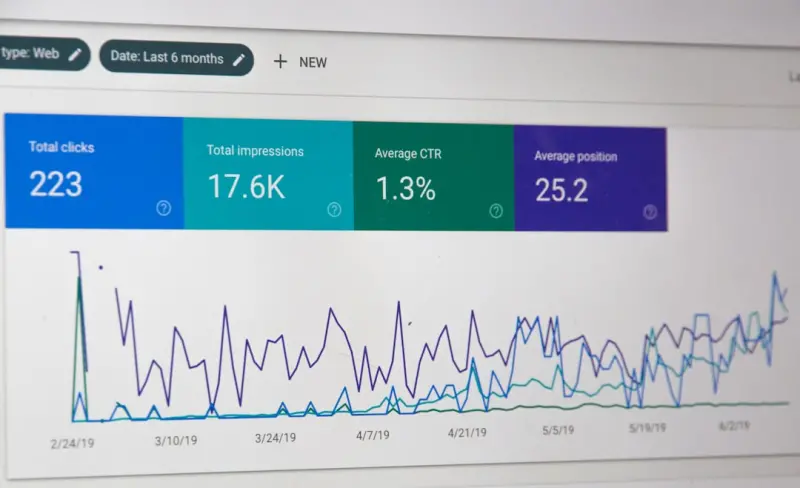
Metrics are the compass that guides any SEO campaign, but the choice of what to measure can make or break your strategy. I track a blend of macro‑level signals—organic traffic, keyword rankings, and conversion rates—alongside micro‑level insights like click‑through rates (CTR) on SERP features and user engagement on specific content sections. Advanced analytics platforms now allow me to segment data by device, geography, and even search intent, revealing hidden opportunities for optimization. When I notice a dip in CTR for a high‑ranking page, I test alternative meta descriptions or schema markup to recapture clicks. This iterative, data‑driven approach ensures that every tweak is backed by measurable impact, turning guesswork into a precise, repeatable process.
Staying Ahead: Continuous Learning and Community
The SEO landscape moves at a breakneck pace, and staying current requires more than occasional blog reading. I dedicate time each week to industry webinars, podcasts, and forums where professionals dissect the latest algorithm updates and share case studies. Engaging with the community not only sparks fresh ideas but also offers early warnings about emerging pitfalls. For deeper strategic insights, I recommend exploring resources like The Future of SEO: Strategies That Thrive in an AI‑Driven Landscape and Riding the Wave: How Real‑World SEO Strategies Thrive in an AI‑Driven World. These pieces provide a forward‑looking perspective that aligns perfectly with the adaptive mindset needed to dominate today’s search results.
Final Thoughts: Embrace the Evolution
SEO is no longer a static checklist; it’s a living, breathing discipline that rewards curiosity, experimentation, and empathy. By marrying technical precision with human‑centric storytelling, and by continuously refining strategies based on real‑time data, you can transform the roller coaster of algorithm changes into a thrilling ride toward sustained growth. Remember, every update is an invitation to innovate—so keep learning, stay adaptable, and let your content serve the evolving needs of your audience. The future of search is bright for those who dare to evolve alongside the technology.

Related Posts

Semantic Clustering: A Modern Blueprint for Sustainable SEO Authority
Learn a fresh SEO approach using semantic clustering, user intent mapping, and smart internal linkin... Read More
SEO Resilience: Thriving Through Algorithm Chaos
Learn why SEO resilience matters, master data‑driven experiments, and follow a six‑step action p... Read More

Why SEO Must Evolve with AI: A Fresh Take on Ranking in the Age of Algorithms
Explore the new SEO paradigm where AI, user intent, and storytelling converge, offering actionable s... Read More
Top Posts

Edge AI, Data Locality, and the Next Frontier of Privacy Law
Edge AI keeps data on devices, challenging traditional privacy frameworks. This article examines jurisdictional hurdles, dynamic consent, shared governance, and...Read More

Untangling SaaS Nexus: Why Subscription Models Are Redrawing State Tax Maps
SaaS founders often underestimate the tax impact of subscription models. This guide breaks down economic nexus, multi‑state automation, remote‑work tax impl...Read More

Beyond Keywords: SEO Strategies for B2B SaaS Growth
Learn how to transform SEO from a traffic‑focused tactic into a strategic growth engine for B2B SaaS, using topic clusters, structured data, internal linking,...Read More

Real Estate Tokenization: Redrawing Ownership Rules
Tokenization is turning traditional property titles into blockchain‑based shares, creating new legal challenges and opportunities. This post breaks down the t...Read More
0 Comments
Post Comment
You will need to Login or Register to comment on this post!