
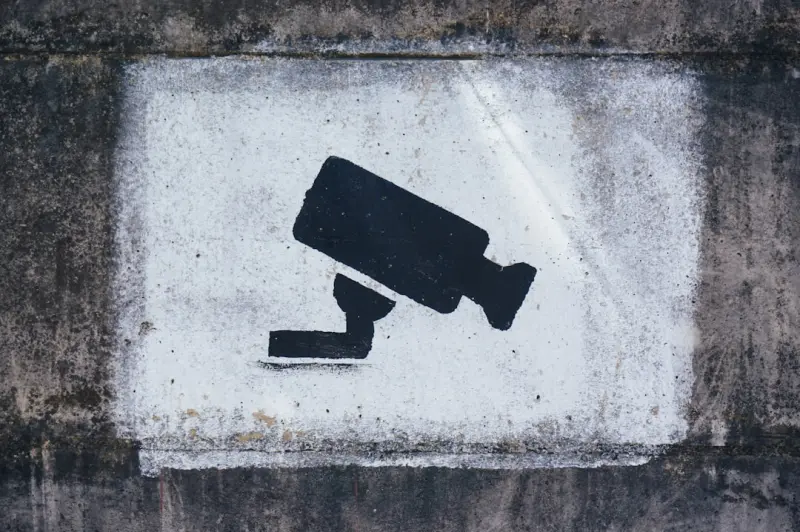
Employment law is at a crossroads. Companies are harnessing AI, biometric scanners, and cloud‑based time‑trackers to squeeze every ounce of productivity, while workers push back, demanding privacy, dignity, and fair treatment. The result? A legal battlefield where old statutes clash with new technology, and where the line between legitimate oversight and invasive surveillance is getting fuzzier by the day.
The Rise of AI‑Powered Performance Monitoring
Imagine a warehouse where a camera watches every motion, an algorithm scores each pick‑and‑pack action, and a dashboard flashes red whenever a threshold is crossed. That’s not a sci‑fi plot; it’s the reality for many firms that have adopted AI‑driven performance tools. These systems promise objectivity—no human bias, just data. Yet the law is still catching up. Courts are beginning to ask: does a statistical score replace the nuanced judgment of a manager, or does it create a new form of employee classification?
In jurisdictions that protect workers from “unreasonable” monitoring, the debate centers on three pillars: the purpose of the monitoring, the scope of data collected, and the transparency afforded to employees. If a company tracks keystrokes, location, and even emotional cues without clear notice, it may run afoul of privacy statutes that were drafted before smartphones existed.
Employee Data Ownership: Who Holds the Keys?
Data generated on the job—call logs, productivity metrics, even biometric readings—has become a valuable asset. Employers argue that because the data is produced during work, it belongs to the business. Workers, on the other hand, contend that the information is intrinsically linked to their personhood and should be subject to consent and control. This tension is reshaping contract negotiations and prompting a surge in Data trusts as a possible middle ground.
Data trusts act as neutral stewards, holding employee‑generated data in a fiduciary capacity. They can grant limited access to third‑party analytics firms while ensuring that employees retain rights to audit, correct, or delete their information. While still experimental, this model offers a pragmatic solution that satisfies both compliance officers and privacy advocates.
Gig Workers: The Classification Conundrum
The gig economy has exploded, but the legal framework governing it remains a patchwork. Companies label drivers, delivery couriers, and freelance coders as independent contractors to sidestep benefits, overtime, and tax obligations. In response, courts and legislatures are tightening the criteria for what truly constitutes an “independent” relationship.
Key factors include the degree of control exercised by the platform, the worker’s opportunity to earn profit or suffer loss, and the extent to which the worker provides their own tools. When AI decides which jobs to assign, how many hours a worker can accept, or imposes performance penalties, the line blurs dramatically. Misclassification can trigger costly back‑pay, penalties, and even class‑action lawsuits.
AI‑Assisted Hiring: Bias, Transparency, and Liability
Recruiters increasingly lean on AI to screen résumés, predict cultural fit, and even conduct video interviews that read facial expressions. While these tools can speed up hiring, they also embed the biases of their training data. If an algorithm consistently disfavors candidates from certain zip codes or demographic groups, employers could be on the hook for disparate impact claims.
Legal risk managers are now demanding “explainable AI” — models that can justify a decision in plain language. This requirement is not just a best practice; it’s emerging as a compliance necessity under anti‑discrimination statutes that require employers to provide reasons for adverse employment actions.
Remote Work, Remote Risks: Cross‑Border Compliance
The pandemic taught us that work can happen anywhere. But remote work introduces a tangle of jurisdictional issues. An employee based in one state (or country) may be subject to a completely different set of wage, leave, and benefits laws than the employer’s headquarters.
Companies must now map the tax nexus, overtime thresholds, and mandatory benefits for each location where employees perform duties. Failure to do so can result in multi‑state tax audits, unexpected payroll liabilities, and even criminal penalties in extreme cases.
Health and Safety in the Age of Wearables
Wearable devices that monitor heart rate, posture, and fatigue are being rolled out as safety tools. In high‑risk environments—manufacturing floors, construction sites, and logistics hubs—these gadgets can alert supervisors to imminent danger, potentially saving lives.
However, the legal question is whether continuous health monitoring infringes on an employee’s right to bodily privacy. Some jurisdictions view biometric data as “sensitive personal information,” subject to strict consent regimes. Employers must therefore balance safety benefits against privacy obligations, often by crafting detailed consent forms and providing opt‑out mechanisms.
Employer Liability for Cyber Breaches Involving Employee Data
When a breach exposes employee payroll records or personal identifiers, the fallout is not limited to consumer privacy concerns. Employees can claim negligence if the employer failed to implement reasonable safeguards. The ripple effects include class actions, regulatory fines, and reputational damage.
Recent case law highlights the importance of incident response plans that specifically address employee data. Companies are advised to treat employee information with the same rigor as customer data, conducting regular risk assessments, encrypting data at rest, and ensuring third‑party vendors adhere to comparable standards. For deeper insight, see the discussion on Cyber Breaches and Insurance.
Collective Bargaining in the Digital Era
Unions are no longer limited to traditional manufacturing floors. Tech workers, gig platform drivers, and even remote freelancers are forming digital collectives to negotiate on issues like algorithmic transparency, data rights, and profit‑sharing from AI tools.
Legal frameworks that once dealt with physical workplaces now have to interpret collective bargaining rights in virtual spaces. Employers must recognize that even informal online groups can wield bargaining power, especially when they can mobilize public opinion through social media.
Legal Strategies for Employers
- Audit and Map Data Flows. Understand exactly what employee data is collected, where it is stored, and who can access it.
- Update Policies. Draft clear, concise privacy and monitoring policies that explain the purpose, scope, and duration of data collection.
- Implement Consent Mechanisms. Use granular consent for sensitive data, especially biometric and health information.
- Conduct Impact Assessments. Before deploying new AI tools, evaluate potential bias, privacy impact, and compliance with existing labor statutes.
- Train Managers. Ensure that those who interpret AI scores understand their limits and the importance of human judgment.
- Review Classification Models. Regularly reassess worker classifications in light of evolving legal standards and the degree of platform control.
Future Outlook: A Balanced Legal Landscape?
We’re standing at a pivotal moment where technology could either erode employee rights or reinforce them through smarter, more transparent systems. The law will likely evolve in two complementary directions: stricter privacy safeguards for workers and clearer standards for AI‑driven decision‑making.
Companies that proactively adapt—by embracing data trusts, securing robust consent processes, and fostering open dialogue about surveillance—will not only mitigate legal risk but also attract talent that values ethical workplaces. The future of employment law isn’t about choosing between efficiency and privacy; it’s about weaving them together into a sustainable, compliant fabric.

Kris Kennel is a Paralegal outside of Austin, Texas where he spends most of his time helping users with legal matters that concern them. When he is not working he enjoys time with his wife and kids.
Related Posts

The Blurred Lines Between Employment Law and Family Dynamics in Modern Workplaces
The boundaries between employment law and family dynamics are increasingly blurred in modern workpla... Read More

Platform Cooperatives: Redefining Worker Rights in the Digital Age
Platform cooperatives are emerging as a democratic alternative to traditional gig platforms, challen... Read More

Hybrid Work and the Expanding Duty of Care: Legal Strategies for Modern Employers
Hybrid work forces employers to rethink traditional duties of care, harassment policies, data privac... Read More
Top Posts

The Generative AI Content Conundrum: Safeguarding Intellectual Property in SaaS
Generative AI is reshaping SaaS, raising fresh IP questions about authorship, data licensing, trademarks, and patents. This post offers a practical roadmap for ...Read More

Co‑Living Communities: Legal Pitfalls & Opportunities
Co‑living is reshaping the rental market, but it brings unique legal challenges. This article breaks down lease nuances, insurance needs, privacy concerns, zo...Read More

The Intersection of Insurance Law and Family Law: A Complex Web of Liability
The intersection of insurance law and family law is complex and multifaceted. Learn how liability insurance impacts family law disputes, from child custody to s...Read More

The Evolution of Family Law: Navigating Trends, Challenges, and Insights
The evolution of family law is a dynamic and ever-changing field shaped by shifting societal values, advances in technology, and changes in family structures. L...Read More
0 Comments
Post Comment
You will need to Login or Register to comment on this post!