
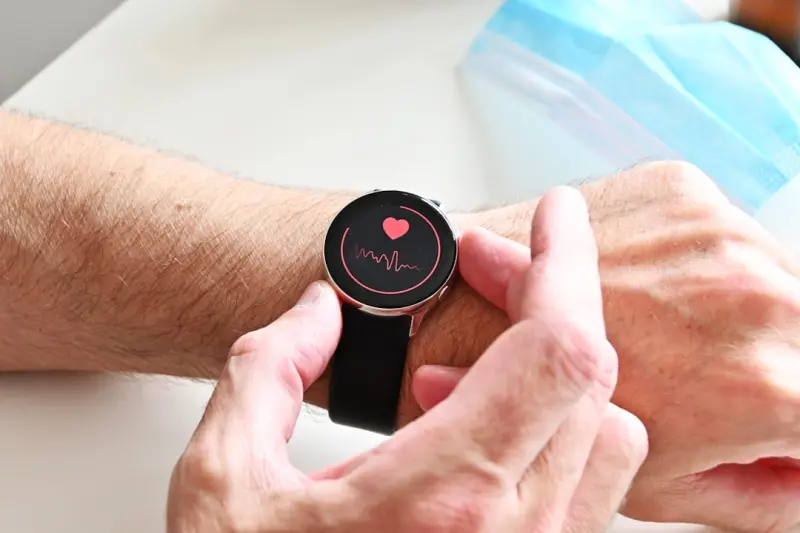
The Unseen Risks of Wearable Health Tech: Liability, Consent, and Regulation
When I first strapped a sleek wrist‑monitor onto my own arm for a “10‑step‑a‑day” challenge, I never imagined the legal labyrinth I was stepping into. Wearable health technology has exploded from niche fitness trackers to clinically validated devices that can detect arrhythmias, monitor glucose levels, and even predict seizures. The promise is undeniable—real‑time data that empowers patients and providers alike. Yet, the rapid diffusion of these gadgets has outpaced the rulebook, leaving clinicians, manufacturers, and users to navigate a murky liability landscape.
From Gadget to Medical Device: Where the Line Blurs
Regulators traditionally differentiate between “wellness” products and “medical” devices based on intended use and the level of risk they pose. In practice, that line is eroding. A smartwatch that alerts a user to an irregular heart rhythm is no longer just a convenience; it can trigger emergency services, influence clinical decisions, and ultimately affect outcomes. When a device’s algorithm misclassifies a benign rhythm as atrial fibrillation, who bears responsibility? The manufacturer for faulty software? The physician who acted on the data? Or the patient who trusted the notification?
One of the most compelling analogues comes from the automotive world, where software update regulations are already shaping manufacturer duties. Just as a car’s safety system must receive timely patches, wearables that rely on firmware updates to improve accuracy or fix bugs are entering a parallel regulatory realm. The question is whether existing medical device statutes are flexible enough to incorporate continuous, remote updates without creating a compliance nightmare.
Consent in the Age of Continuous Monitoring
Informed consent has always been a cornerstone of medical law, but wearables demand a re‑thinking of what “informed” truly means. Traditional consent forms are static documents signed once, often before a procedure. Wearable technology, however, generates a constant stream of data, each new data point potentially revealing new health insights. Patients must understand not only the immediate purpose of the device but also the downstream uses of their data—research, insurance underwriting, employer wellness programs, and even targeted advertising.
Unfortunately, many manufacturers bundle consent into lengthy terms of service that are rarely read. This practice raises red flags under privacy statutes and could expose companies to litigation if users later claim they were misled about how their data would be used. A more robust model would involve layered consent: a clear, concise summary at the point of sale, followed by periodic reminders as the device’s capabilities evolve.
Data Privacy Meets Health Law: A Double‑Edged Sword
Health data is among the most sensitive categories of personal information. While privacy law meets ambient computing discussions often focus on smart speakers and cameras, the same principles apply—if not more stringently—to biometric streams from wearables. In many jurisdictions, health data falls under strict regulations such as HIPAA in the United States or GDPR’s “special category data” in Europe. Yet, a considerable portion of wearable data lives outside traditional health‑care providers, stored instead on cloud platforms owned by tech companies that may not be HIPAA‑covered entities.
This regulatory mismatch creates a “privacy gap.” A user’s heart‑rate data could be shared with a third‑party analytics firm for research without the user’s explicit consent, simply because the data never passed through a HIPAA‑covered entity. Legal scholars are already debating whether existing statutes need amendments to capture these “non‑clinical” health data flows. Until clear guidance arrives, manufacturers and developers should adopt the highest standard of data protection—encryption, anonymization, and strict access controls—as a defensive measure against both regulatory penalties and class‑action lawsuits.
Liability Scenarios: From False Alarms to Missed Alerts
Wearable devices can generate two primary types of errors: false positives (alarm when nothing is wrong) and false negatives (failure to alarm when there is a problem). Both have legal ramifications.
- False Positives: An erroneous arrhythmia alert could cause unnecessary anxiety, lead a patient to seek emergency care, and incur medical expenses. If a clinician orders a follow‑up based on the alert, the device manufacturer could be sued for negligence, especially if the device’s accuracy claims were overstated.
- False Negatives: A missed hypoglycemia event could result in a severe medical emergency or death. Here, liability may extend to the manufacturer for a defect, but also to the prescribing physician if they relied solely on the device without corroborating with standard testing.
Courts will likely apply a “reasonable reliance” standard—would a reasonable patient or provider have trusted the device’s output given its marketing and regulatory status? Manufacturers must therefore ensure that performance claims are scientifically substantiated and that risk disclosures are prominent.
Regulatory Pathways: FDA, CE, and Beyond
In the United States, the Food and Drug Administration (FDA) has introduced a “pre‑certification” program aimed at streamlining approval for software‑based medical devices. The idea is to evaluate the developer’s quality systems rather than each individual product iteration. While promising, this approach still requires rigorous post‑market surveillance, especially for AI‑driven algorithms that evolve over time.
In Europe, the Medical Device Regulation (MDR) imposes strict documentation and post‑market monitoring obligations, with an emphasis on clinical evaluation. Wearables that cross the threshold from wellness to medical must undergo a conformity assessment, often involving a Notified Body. The MDR also mandates a unique device identifier (UDI) system, which can help trace defective units in the event of a recall.
Both regimes are grappling with the concept of “software as a medical device” (SaMD). The International Medical Device Regulators Forum (IMDRF) has released guidance, but national implementations vary, creating a patchwork of compliance requirements for global manufacturers.
Insurance Implications: Who Covers What?
Professional liability insurers are beginning to adjust policies to address wearable‑related claims. Some carriers now require manufacturers to carry product liability coverage that specifically includes software malfunction. Health‑care providers, on the other hand, may need to expand their malpractice policies to cover reliance on third‑party health data streams.
Moreover, patients themselves are increasingly seeking “personal health data insurance” to protect against identity theft or misuse of biometric information. While still niche, these policies illustrate the market’s recognition that wearable data carries both clinical and financial risk.
Best Practices for Stakeholders
Given the evolving legal terrain, here are actionable steps for each key player:
- Manufacturers: Conduct rigorous clinical validation, implement transparent consent mechanisms, and adopt a robust post‑market surveillance plan that tracks software updates and real‑world performance.
- Clinicians: Treat wearable data as adjunctive, not definitive. Verify critical alerts with traditional diagnostics before making treatment decisions.
- Patients: Read privacy notices, understand the scope of data sharing, and regularly review device settings to control data flow.
- Legal Counsel: Advise clients on the intersection of medical device law, data privacy statutes, and emerging product liability doctrines. Draft clear terms of service that align with the highest privacy standards.
The Road Ahead: Harmonizing Innovation and Protection
Wearable health technology will continue to shrink the distance between everyday life and clinical insight. As these devices become more sophisticated—incorporating machine‑learning models that predict disease before symptoms appear—the stakes for accuracy, consent, and data stewardship rise dramatically. A collaborative effort among regulators, industry, health‑care professionals, and legal experts is essential to forge a framework that safeguards patients without stifling innovation.
In the meantime, the legal community must stay ahead of the curve, interpreting existing statutes in novel contexts and advocating for sensible reforms. Whether you’re a startup developing the next breakthrough sensor or a hospital integrating wearables into its telehealth platform, understanding the liability, consent, and regulatory dimensions is no longer optional—it’s a fundamental component of responsible health‑tech deployment.

I am Madden Persons, a content writer and digital influencer dedicated to crafting impactful stories and building authentic online connections. With a strategic approach to content creation, I develop engaging articles, digital campaigns, and social media narratives that help brands elevate their online presence and connect meaningfully with their target audiences.
Passionate about modern digital trends and audience engagement, I specialize in translating complex ideas into compelling content that sparks conversation, drives results, and strengthens brand identity.
Related Posts

Navigating the Legal Labyrinth of Medical Law in 2024: An Insider’s Guide
Allison Jarvis breaks down the 2024 medical law landscape, from telehealth regulations to AI liabili... Read More

When Algorithms Diagnose: Unraveling Liability in AI‑Driven Medical Decision‑Making
A deep dive into the legal challenges of AI‑powered medical diagnostics, covering liability, infor... Read More

Navigating the Legal Labyrinth of Telemedicine: Risks, Rights, and Remedies
A deep dive into telemedicine law, covering licensure, consent, privacy, malpractice, and future AI ... Read More
Top Posts

AI‑Driven Decision‑Making: The New Frontier of Employment Law
Artificial intelligence is transforming HR practices, from hiring to performance reviews. Discover the legal challenges and compliance strategies employers need...Read More

When Algorithms Diagnose: Legal Challenges of AI in Medicine
AI is transforming diagnosis, but legal standards lag. Learn the liability risks, consent hurdles, and regulatory steps clinicians must take as algorithms becom...Read More

Divorce After the Split: Rebuilding Assets, Health, and Life
Divorce isn’t just about dividing property; it’s a complex overhaul of intangible assets, health coverage, and co‑parenting dynamics. This guide uncovers ...Read More

The Hidden Perils of Home Office Injuries: A Personal Injury Perspective
Remote work has reshaped injury claims. Learn why home office accidents are now a personal injury frontier and how to safeguard your rights....Read More
0 Comments
Post Comment
You will need to Login or Register to comment on this post!