
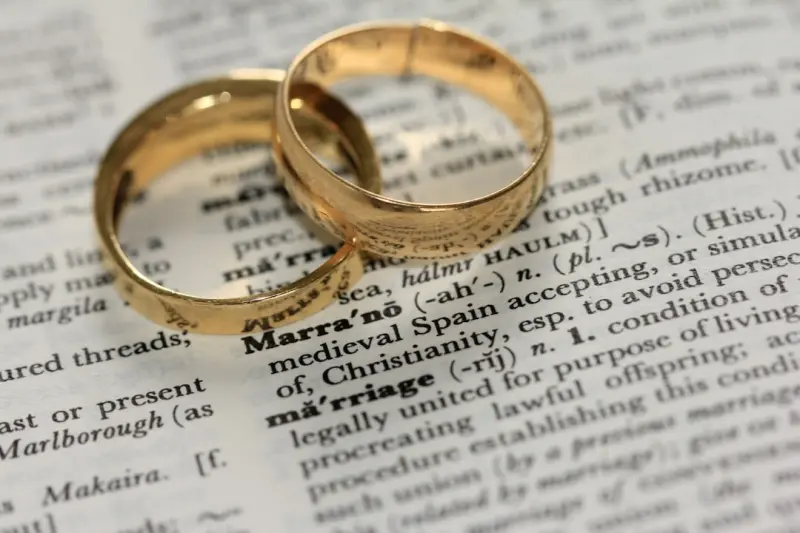
Virtual Vows: How Digital Marriage Licenses Are Redefining the Law of Matrimony
When the pandemic pushed couples onto Zoom screens for their “I do” moments, it also nudged legislators, courts, and tech innovators onto a new frontier: the digital marriage license. As more couples opt for virtual ceremonies, the legal scaffolding that once rested on paper, town‑halls, and in‑person clerks is being rewritten in code. This isn’t just a novelty; it’s a trend that threatens to reshape everything from jurisdictional authority to the enforceability of prenuptial agreements.
From Pen to Pixel: A Brief History
Marriage has always been a legally binding contract, but the means of recording that contract have evolved. In the United States, the earliest marriage licenses were handwritten documents filed in county courthouses. By the late 20th century, many jurisdictions moved to typed forms and electronic databases, yet the physical act of appearing before a clerk remained sacrosanct.
Fast forward to 2020, and a sudden surge in remote ceremonies forced officials to experiment with online applications, video‑verified oaths, and even blockchain‑anchored certificates. The legal community responded with a mix of enthusiasm and caution: some states embraced the convenience, while others issued injunctions, arguing that the “solemnization” of marriage required a physical presence.
Why Digital Licenses Matter
On the surface, a digital license is a convenience. For busy professionals, long‑distance couples, or those with mobility challenges, the ability to file paperwork from a laptop eliminates a day off work and a trip to the nearest county office. Yet the deeper implications touch on three critical legal pillars:
- Jurisdictional Clarity: Which state’s laws apply when the bride lives in one state, the groom in another, and the officiant in a third? The answer now hinges on where the digital transaction is recorded, not just where the ceremony occurs.
- Authentication & Fraud Prevention: Video verification, biometric signatures, and even blockchain timestamps are being deployed to ensure that the parties are who they claim to be, reducing the risk of “marriage fraud” that can affect immigration and tax filings.
- Enforceability of Ancillary Agreements: Prenuptial and postnuptial contracts are now drafted, signed, and stored digitally. Courts are beginning to grapple with whether an e‑signed prenup executed via a remote platform carries the same weight as a traditionally notarized document.
Legal Challenges on the Horizon
1. The “Physical Presence” Doctrine
Historically, many states have required the parties to be physically present before a marriage officer. Courts have interpreted this requirement in varying ways. For example, a 2019 case in State v. Jones held that a video conference could not substitute for an in‑person ceremony because the law explicitly mandated “personal appearance.” However, a contrasting 2022 decision in Doe v. County Clerk found that the statute’s language was “technology‑neutral,” allowing a Zoom ceremony to satisfy the requirement.
These conflicting rulings create a patchwork of standards that couples must navigate, often consulting an attorney just to confirm that their state’s statutes accommodate a digital ceremony. The inconsistency also raises questions for interstate couples, who may find themselves married under one state’s law but unrecognized in another.
2. Data Privacy and Security
When you submit a marriage application online, you’re handing over a trove of personal data: Social Security numbers, birth dates, and even biometric identifiers. Under the General Data Protection Regulation (GDPR) and state-level privacy statutes like the California Consumer Privacy Act (CCPA), jurisdictions impose strict duties on data controllers. If a county’s marriage portal experiences a breach, the fallout can be severe—both for the individuals affected and for the government agency’s liability.
To mitigate risk, several municipalities have partnered with private tech firms that specialize in end‑to‑end encryption and blockchain immutability. While this brings cutting‑edge security, it also introduces a new set of legal questions: Who is the data controller? The county, the vendor, or both? And how does the law allocate responsibility for a breach?
3. The Future of Prenuptial Agreements in a Digital World
One of the most compelling trends is the rise of AI‑driven contract analysis tools that help couples draft and negotiate prenups in real time. These platforms use natural‑language processing to flag ambiguous clauses, suggest state‑compliant language, and even predict how a court might interpret specific provisions.
While the technology is impressive, the legal community is still debating whether a prenup signed via a digital platform—without a physical notarization—meets the “formalities” required by state law. Some courts have begun to accept electronic notarizations, especially after the Uniform Electronic Transactions Act (UETA) gained wider adoption. Others remain skeptical, demanding a traditional wet‑ink signature and a physical notary.
Practical Guidance for Couples Considering a Digital Marriage
To navigate this evolving landscape, couples should adopt a proactive, informed approach. Below are actionable steps that blend legal prudence with modern convenience.
- Check State Statutes Early: Before you book a Zoom officiant, verify that your state permits remote solemnization. Look for language that references “virtual” or “electronic” processes.
- Secure a Reliable Platform: Choose a government‑approved portal or a reputable private provider that complies with state data‑privacy laws. Verify that the platform uses multi‑factor authentication and stores records on a tamper‑evident ledger.
- Document the Ceremony: Even if the law doesn’t require it, record the ceremony (with consent) and retain the video as evidence of intent. This can be invaluable if a future dispute arises over the validity of the marriage.
- Engage an Attorney for Ancillary Agreements: Use an attorney to review any prenuptial or postnuptial agreements. If you rely on an AI tool, have a qualified lawyer perform a final review to ensure enforceability under your jurisdiction.
- Plan for Post‑Marriage Filings: After the ceremony, you’ll need to update tax filings, insurance policies, and beneficiary designations. Digital certificates often integrate with state databases, streamlining these updates, but confirm the process with your relevant agencies.
How Digital Marriage Licenses Intersect with Other Emerging Legal Trends
The shift to digital licenses doesn’t happen in isolation. It dovetails with broader legal innovations that are reshaping how we think about contracts, assets, and personal data.
Purpose‑Driven Trusts Meet Marital Planning
Increasingly, couples are integrating purpose‑driven trusts into their marital estate plans. These trusts allow partners to align their financial legacy with shared values—environmental stewardship, social impact, or community development. When a marriage is recorded digitally, the associated trust documents can also be stored on the same secure platform, ensuring seamless coordination between marital status and trust administration.
Gig‑Economy Considerations for Remote Couples
Many modern couples work as freelancers or ride‑share drivers, falling under the gig‑economy umbrella. A digital marriage license can simplify the process of updating employment platforms that require marital status for benefits or tax withholdings. However, these platforms must also comply with privacy standards when handling the newly digitized marital data.
AI‑Enabled Dispute Resolution
Should a dispute arise—perhaps over the validity of a digital license or an e‑signed prenup—courts are beginning to experiment with AI‑assisted mediation. These tools can analyze prior case law, predict outcomes, and suggest settlement terms, accelerating resolution and reducing litigation costs.
What the Future Holds: A Legal Outlook
In the next five years, we can expect three major developments:
- Uniform Federal Guidelines: Pressure from interstate couples and the growing prevalence of virtual ceremonies will likely spur Congress to draft uniform guidelines that standardize digital marriage processes across state lines.
- Expanded Use of Blockchain: More counties will adopt blockchain for immutable recording of marriage certificates, providing a tamper‑proof ledger that can be accessed instantly by courts, insurers, and other authorized entities.
- Integration with Digital Identity Systems: As digital identity solutions (e.g., decentralized IDs) become mainstream, marriage licenses could be linked directly to a person’s verified digital identity, streamlining everything from passport updates to joint bank account creation.
These innovations promise greater efficiency, but they also demand that lawyers, policymakers, and technologists collaborate closely to safeguard fundamental rights—privacy, consent, and the sanctity of the marital contract.
Final Thoughts
The marriage of tradition and technology is no longer a metaphor; it’s a reality unfolding in courthouses, codebases, and living rooms worldwide. Digital marriage licenses offer unprecedented convenience, yet they also raise fresh legal questions that require vigilant, forward‑thinking solutions. By staying informed, leveraging trusted platforms, and seeking expert counsel, couples can celebrate their love without compromising legal security.
As we stand at this crossroads, the choice is clear: embrace the digital evolution thoughtfully, or risk being left behind in a world where “I do” is as likely to be typed as spoken.

Allison Jarvis is a dynamic digital media and marketing professional dedicated to driving brand growth through impactful storytelling. With a sharp eye for market trends and a passion for data-driven strategies, she specializes in building cohesive online identities that resonate with modern audiences. Allison blends creative content production with robust analytics to maximize engagement and deliver measurable ROI. She continuously explores emerging digital tools to keep her projects ahead of the curve.
Related Posts

Marriage Law in the Digital Age: What Every Couple Needs to Know
Explore how digital assets, evolving statutes, and proactive agreements are redefining marriage law,... Read More

The Shifting Landscape of Marriage Law: A Comprehensive Analysis
The institution of marriage has undergone significant changes in recent years, reflecting shifting s... Read More
When Vows Meet Code: Redefining Marriage Law for the Digital Age
A deep dive into how blockchain prenups, virtual weddings, and data portability are transforming mar... Read More
Top Posts

Beyond the Breathalyzer: Business Strategies to Tackle Impaired Driving Risks
Impaired driving impacts more than just traffic safety—it’s a hidden liability for companies. This article outlines policies, tech tools, insurance tactics,...Read More

The Legal Landscape of Influencer Marketing Disclosures
A deep dive into influencer marketing disclosures, covering FTC mandates, platform quirks, global rules, and emerging tech challenges, to keep brands and creato...Read More
Genetic Testing at Your Fingertips: Legal Challenges for Privacy and Discrimination
A deep dive into how consumer DNA kits raise new legal battles over privacy, discrimination, and the future of medical law....Read More

Navigating Child Custody in a Digitally Driven World
A deep dive into how technology reshapes child custody battles, offering practical steps, legal insights, and hope for parents seeking the best outcomes for the...Read More
0 Comments
Post Comment
You will need to Login or Register to comment on this post!