
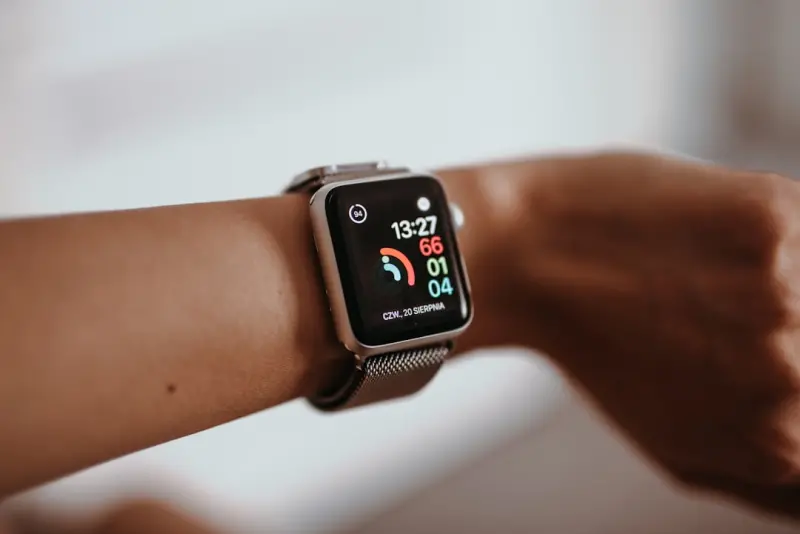
Employers are increasingly turning to digital eyes to watch every keystroke, mouse movement, and video call participant, touting “productivity” as the holy grail. The pandemic accelerated this trend, turning home offices into data farms where software can flag “distractions,” estimate “focus time,” and even predict burnout before a coffee break. While the promise of efficiency sounds alluring, the reality is a legal minefield where privacy rights clash with corporate ambition, and the balance of power tilts unsettlingly toward the watcher.
At the heart of the debate lies a patchwork of statutes—state privacy shields, the federal Electronic Communications Privacy Act, and emerging state‑level biometric laws—all trying to keep pace with technology’s sprint. Courts have repeatedly held that employees retain a reasonable expectation of privacy, even in a digital workspace, especially when monitoring extends beyond legitimate business purposes. Yet many employers argue that consent is implied when a worker signs an onboarding packet that includes a “monitoring policy.” The tension between consent and coercion is where the next generation of employment lawsuits will ignite, demanding clearer, more transparent policies that respect both efficiency and dignity.
AI‑Powered Monitoring Tools – What Employers Can and Cannot Do
Artificial intelligence now powers surveillance platforms that can read facial expressions, analyze voice tones, and even infer emotional states from typing speed. Proponents claim these tools help flag harassment, protect trade secrets, and improve wellness programs, but the legal framework is still catching up. Under the Fair Labor Standards Act, employers must ensure that any time‑tracking technology does not unlawfully convert off‑clock activities into compensable work, while the Americans with Disabilities Act limits intrusive monitoring that could discriminate against neurodiverse employees.
Recent litigation, such as the privacy implications of drone surveillance case, illustrates how courts are willing to extend traditional privacy doctrines to digital realms. In one landmark ruling, a judge deemed continuous facial‑recognition monitoring in a call center an unlawful invasion of privacy, emphasizing that consent must be “freely given, specific, informed, and unambiguous.” Employers must therefore calibrate AI tools to collect only the data strictly necessary for legitimate business aims, and they must disclose the scope, duration, and purpose of monitoring in plain language—no legalese that buries the truth.
Remote Work, Data Borders, and Cross‑State Jurisdictions
The rise of remote work has turned the workplace into a borderless expanse, where a worker in one state may be subject to the labor laws of another, and their data may travel across state and even international lines. This creates a labyrinth of obligations: some states, like California, impose strict data‑privacy statutes that apply to any personal information collected from a resident, regardless of where the employer is headquartered. Meanwhile, other jurisdictions maintain “home‑state” rules that require employers to honor the most protective standards among all applicable locales.
Compliance, therefore, demands a proactive strategy. Companies should conduct a data‑mapping exercise to identify where employee data resides, who accesses it, and how it moves across borders. Implementing a tiered consent framework—where employees can opt‑in to certain monitoring features while opting out of others—helps mitigate risk. Additionally, adopting clear data‑retention policies that automatically purge non‑essential information after a set period can demonstrate good faith compliance. For organizations navigating these complexities, the gig‑economy employment challenges offer valuable lessons on flexible contracts and jurisdictional awareness.
Employee Rights, Union Strategies, and Future Trends
As surveillance tech matures, workers are mobilizing to protect their rights, often turning to unions and collective bargaining agreements to carve out “privacy zones.” Unions are negotiating clauses that limit real‑time tracking, demand transparent algorithms, and require third‑party audits of AI systems. These efforts echo the broader societal push for algorithmic accountability, urging legislators to codify standards for bias testing, explainability, and data minimization.
Looking ahead, we can anticipate three key developments: first, a wave of state‑level “Employee Surveillance Acts” that set baseline standards for consent and data handling; second, increased judicial scrutiny of AI‑driven decisions that affect employment outcomes, such as promotions or terminations; and third, a cultural shift where employees expect “privacy dashboards” that let them view and control what the employer sees. Employers who embrace transparency now will not only avoid costly litigation but also foster a culture of trust that translates into higher engagement and lower turnover. The future of work hinges on balancing the undeniable benefits of technology with the timeless right to personal dignity.

Related Posts

Gig Worker Classification: A Legal Playbook for Employers
A comprehensive guide for employers on navigating gig worker classification, from understanding lega... Read More

Employment Law in 2026: How AI, Remote Work, and Employee Rights Are Evolving
2026 reshapes employment law with AI-driven hiring, remote workforce complexities, gig worker protec... Read More

When AI Surveillance Meets Employment Law: Protecting Workers in the Smart Office
A deep dive into the legal challenges of AI‑enabled workplace surveillance, offering a six‑step ... Read More
Top Posts

Pet Custody in Divorce: Protecting Your Furry Family Members
Divorce can split more than assets—your beloved pets are often caught in the crossfire. Learn how to secure their future with legal strategies, pet parenting ...Read More

Seeing Beyond the Wheel: Rethinking Impaired Driving in the Gig Economy
A deep dive into how telemetry, wearables, embedded insurance, and driver representation can transform impaired driving from a tragic reality into a preventable...Read More

The Right to Disconnect: Redefining Work‑Life Boundaries in Modern Labour Law
A deep dive into the rising right‑to‑disconnect movement, its legal foundations, practical implementation challenges, and why embracing digital downtime is ...Read More

The Digital Revolution’s Impact on Modern Marriage Law
Technology is rewriting marriage law. From crypto assets to AI‑drafted prenups, discover how modern couples can future‑proof their unions in a digital world...Read More
0 Comments
Post Comment
You will need to Login or Register to comment on this post!