Why Short‑Term Rentals Are No Longer a Legal Grey Area
When the first wave of vacation‑rental platforms hit the market, many property owners assumed they were simply stepping into a new revenue stream. The reality? A rapidly shifting regulatory environment that can turn a lucrative side hustle into a costly legal battle overnight. As someone who’s spent the last decade helping landlords, developers, and community boards navigate real‑estate law, I’ve seen the pendulum swing from “anything goes” to “strict compliance required” in just a few short years.
The Patchwork of Local Ordinances: One City, One Rulebook
Unlike federal statutes that apply uniformly across the country, short‑term rental rules are almost always set at the municipal level. One city may require a specific “transient occupancy tax” (TOT), another may ban rentals in residential zones entirely, and a third might mandate a safety inspection before a host can list a property. This mosaic of rules means that a host who is perfectly compliant in one jurisdiction could be in violation the next time they cross a city line.
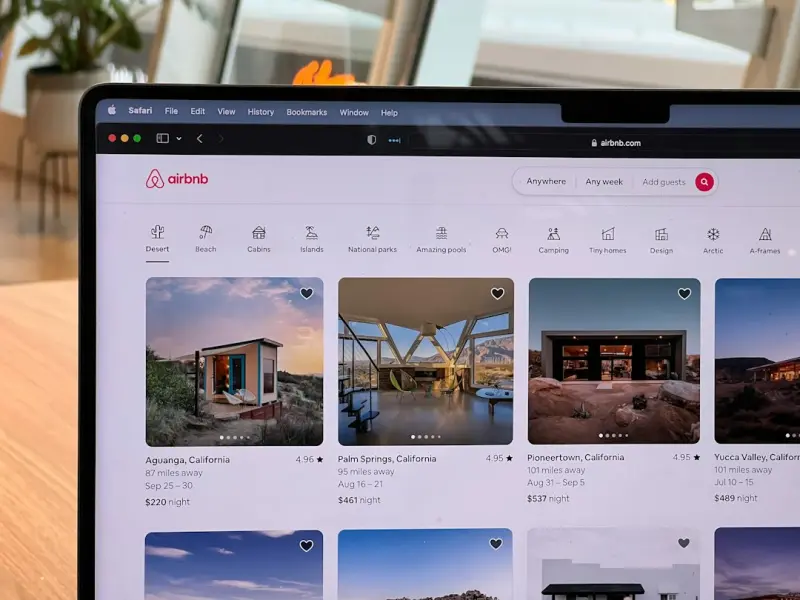
Take the example of adaptive reuse zoning trends that are reshaping urban districts. While these reforms encourage converting office space into residential units, many cities have simultaneously tightened short‑term rental restrictions to preserve housing stock for long‑term residents. The result? A host who converts a newly‑zoned loft into a “luxury Airbnb” may find the city’s planning department revoking the lease‑in‑use clause within weeks.
Licensing and Registration: The First Line of Defense
Most municipalities now require a short‑term rental license or registration number before a listing can go live. The application process typically asks for:
- Proof of ownership or a landlord’s written consent.
- Evidence of compliance with fire, health, and building codes.
- A detailed floor plan that shows the number of sleeping units.
- Proof of liability insurance that meets city‑mandated coverage limits.
Skipping this step is a common mistake because many hosts assume the platform’s “verification” process is enough. Platforms may verify your identity, but they do not replace local licensing. The penalty for operating without a license can range from hefty fines—often $5,000 per violation—to an outright shutdown order that requires you to remove the listing and cease all rentals.
Tax Implications: More Than Just a Booking Fee
Beyond the transient occupancy tax, hosts must also consider income tax reporting, sales tax, and, in some jurisdictions, a “vacancy tax” that applies if the property sits unused for a set period. Failure to remit these taxes can trigger audits, interest, and penalties that quickly eclipse the revenue generated by the rental.
The IRS now requires that platforms issue Form 1099‑K to hosts who exceed certain transaction thresholds. However, local tax authorities often have lower thresholds, meaning you could be liable for local taxes even if the platform does not issue a 1099‑K. A proactive approach includes:
- Setting up a separate bank account for rental income.
- Keeping detailed logs of each stay, including dates, guest numbers, and tax collected.
- Consulting a tax professional who understands both federal and municipal tax codes.
Neighbourhood Impact and Community Rights
One of the most contentious issues surrounding short‑term rentals is the impact on neighbours. Noise complaints, parking congestion, and a perceived loss of community character have prompted many cities to enact “right‑to‑quiet” ordinances. In practice, these laws empower neighbours to file complaints that can trigger inspections or even revoke a host’s license.
Some municipalities have introduced “owner‑occupancy” requirements, mandating that the host must live on‑site for a minimum number of days per year. This aims to ensure that the host is present to manage the property, respond to neighbour concerns, and maintain the home’s condition.
Insurance: More Than Just Liability
Traditional homeowners’ insurance policies often exclude coverage for short‑term rentals. When a guest slips on a wet floor or damages a neighbor’s fence, you could be left holding the bag. Many insurance carriers now offer “short‑term rental endorsements,” but they come with higher premiums and specific exclusions.
When selecting a policy, look for:
- Coverage for property damage caused by guests.
- Liability protection that meets or exceeds local minimums.
- Loss‑of‑income coverage if your license is suspended.
Read the fine print: Some policies will not cover incidents that occur during “unapproved” rentals—such as a listing on a secondary platform that was not disclosed in the policy application.
Contractual Safeguards: Building a Bullet‑Proof Rental Agreement
A solid rental agreement can mitigate many legal risks. While the platform’s standard terms are a good starting point, they often lack the nuance required for local compliance. Key clauses to include are:
- Compliance Clause: Guest agrees to abide by all local ordinances, including noise curfews and parking restrictions.
- Damage Deposit: Outline the amount, collection method, and conditions for return.
- Cancellation Policy: Clearly state the circumstances under which the host or guest may cancel without penalty.
- Insurance Verification: Require guests to provide proof of personal liability insurance for stays exceeding a certain duration.
Having a lawyer draft or review this agreement ensures that it aligns with both state law and municipal codes.
Technology Tools for Compliance
Many hosts are turning to software solutions that automate compliance tasks. These platforms can:
- Track licensing renewal dates and send alerts.
- Calculate and remit transient occupancy taxes on your behalf.
- Integrate with local code databases to flag prohibited listings before they go live.
- Provide digital contracts that guests can sign electronically.
When evaluating tools, prioritize those that have a clear data‑privacy policy and are transparent about how they share information with local authorities. In a world where privacy law can be a competitive advantage, choosing a platform that respects guest data is both a legal and a brand decision.
Case Study: A Downtown Loft Turned Airbnb
Consider the story of Maya, a young professional who inherited a downtown loft in a city known for its vibrant arts scene. Eager to generate income, she listed the unit on a popular platform without checking local regulations. Within two months, she received three complaints: a neighbor cited excessive noise, the fire department noted missing smoke detectors, and the city’s planning department issued a stop‑work order for operating without a short‑term rental license.
Faced with $12,000 in fines and a potential lawsuit from a neighbour, Maya consulted a real‑estate attorney. Together, they:
- Secured a short‑term rental permit, which required installing a fire alarm system and adding a parking permit for guests.
- Adjusted the rental agreement to include a strict “no‑party” clause and a mandatory check‑in/out inspection.
- Implemented a compliance‑software solution that automatically collected and remitted the required TOT.
- Purchased a specialized short‑term rental insurance policy that covered guest injuries and property damage.
Six months later, Maya’s loft was back on the market, this time fully compliant. She not only avoided further fines but also increased her occupancy rate by 20% thanks to positive reviews that highlighted the safety upgrades.
Future Trends: What’s on the Horizon for Short‑Term Rental Law?
The legal landscape is far from static. Here are three trends to watch:
- Data‑Driven Enforcement: Cities are employing AI‑powered tools that scrape platform listings to identify unlicensed rentals. Hosts who think they can “fly under the radar” may soon be caught by algorithms that cross‑reference property tax records with online listings.
- State‑Level Preemption Bills: In some states, legislators are proposing bills that would preempt local short‑term rental restrictions, creating a uniform regulatory framework. While this could simplify compliance for hosts operating in multiple municipalities, it also raises concerns about local control over housing stock.
- Green Certification Requirements: As sustainability becomes a priority, a handful of forward‑thinking cities are tying short‑term rental licenses to energy‑efficiency standards. Hosts may need to install low‑flow fixtures or obtain LEED certification to qualify for a license.
Staying ahead of these developments requires a proactive legal strategy, continuous education, and a willingness to adapt your property management practices.
Actionable Checklist for Current and Prospective Hosts
Use this checklist to audit your short‑term rental operation and ensure you’re on solid legal ground:
- Confirm you have a valid short‑term rental license or registration number.
- Verify that your property meets all fire, health, and building code requirements.
- Set up a dedicated bank account for rental income and expenses.
- Calculate and remit all applicable taxes (TOT, sales tax, vacancy tax).
- Obtain a short‑term rental insurance policy with adequate liability coverage.
- Draft a comprehensive rental agreement that includes compliance clauses.
- Implement a technology solution to track renewals, tax filings, and guest communications.
- Stay informed about upcoming legislative changes in your city and state.
By ticking each box, you not only protect yourself from costly legal pitfalls but also build trust with guests and neighbours—a win‑win in today’s competitive hospitality market.
Conclusion: Compliance Is Not a Burden, It’s a Business Advantage
When you treat compliance as a strategic component of your short‑term rental business, you unlock benefits that go beyond avoiding fines. Proper licensing and transparent operations enhance your listing’s credibility, improve search rankings on major platforms, and attract a higher‑quality guest demographic. Moreover, a legally sound operation reduces the risk of costly disputes, allowing you to focus on what truly matters: providing memorable experiences for travelers while maximizing your property’s revenue potential.
So, whether you’re a seasoned host looking to expand your portfolio or a first‑time landlord testing the waters, remember that the law isn’t a roadblock—it’s the foundation of a sustainable, profitable short‑term rental strategy.

I am Madden Persons, a content writer and digital influencer dedicated to crafting impactful stories and building authentic online connections. With a strategic approach to content creation, I develop engaging articles, digital campaigns, and social media narratives that help brands elevate their online presence and connect meaningfully with their target audiences.
Passionate about modern digital trends and audience engagement, I specialize in translating complex ideas into compelling content that sparks conversation, drives results, and strengthens brand identity.
Related Posts

Build‑to‑Rent: Crafting Legal Foundations for the Next Generation of Rentals
Build‑to‑Rent is reshaping the rental market, but it brings a distinct set of legal complexities... Read More

Adaptive Reuse: Legal Pitfalls When Converting Industrial Spaces to Mixed‑Use Hubs
Adaptive reuse offers a sustainable path to revitalizing industrial sites, but it brings complex leg... Read More

Tokenized Property: Navigating the Legal Landscape of Blockchain Real Estate
This article delves into the legal complexities of real‑estate tokenization, from securities class... Read More
Top Posts

Hybrid Contracts: Redefining Worker Classification for the Modern Gig Economy
Hybrid contracts merge the security of traditional employment with gig‑style freedom, offering a fresh legal solution for today’s flexible workforce....Read More

Sky’s the Limit: Legal Challenges of Autonomous Drone Deliveries
Autonomous drone deliveries promise faster, greener shipping, but they raise complex legal questions about airspace regulation, liability, privacy, and environm...Read More

When AI Paints, Who Owns the Canvas? Decoding Copyright in the Age of Generative Art
This article unpacks the legal challenges of AI‑generated creations, offering practical guidance on authorship, contractual rights, trade‑secret protection,...Read More

Beyond the 9‑to‑5: How the Creator Economy is Redefining Employee Classification
The creator economy blurs traditional worker classifications. This article examines legal tests, privacy‑first contracts, and platform cooperatives, offering ...Read More
0 Comments
Post Comment
You will need to Login or Register to comment on this post!