
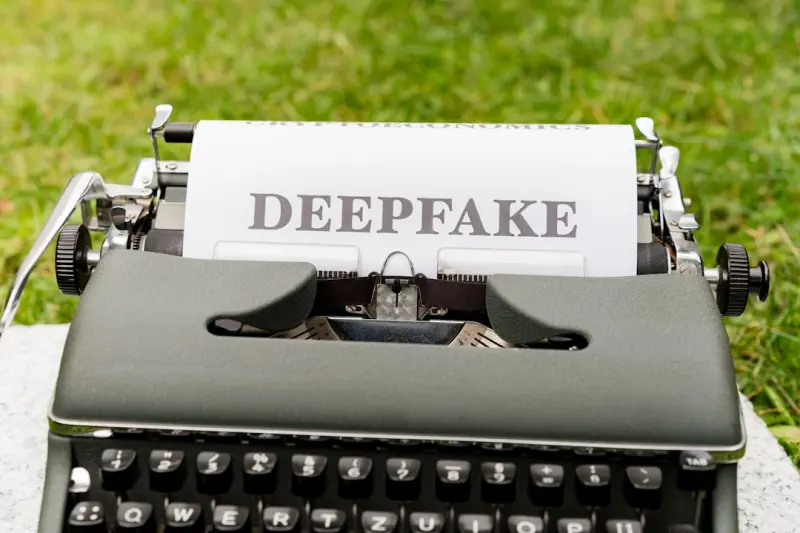
Imagine scrolling through your feed and seeing a video of a well‑known politician delivering a fiery speech that never actually happened. The voice sounds authentic, the gestures are spot‑on, and the caption claims it’s a leaked recording exposing a scandal. You share it, your friends share it, and within hours the story dominates headlines—only to later be debunked as a deepfake. The damage, however, is already done.
The Rise of Synthetic Media as a Criminal Tool
In the last few years, the technology that creates hyper‑realistic synthetic media has moved from the labs of academic researchers to the hands of hobbyists and, increasingly, malicious actors. The criminal potential is staggering: identity theft, fraud, extortion, election interference, and even false evidence that can sway juries. Traditional criminal statutes—like those covering fraud, harassment, or defamation—were drafted long before anyone could convincingly swap a face or voice with a few clicks. This gap is forcing prosecutors, judges, and legislators to confront a new frontier where the line between truth and illusion is intentionally blurred.
Why Existing Laws Struggle to Keep Up
At first glance, many existing statutes seem sufficient. For instance, fraud statutes punish the intentional deception of another for personal gain, and identity‑theft laws protect against unauthorized use of personal information. Yet, applying these provisions to deepfake crimes is not straightforward.
- Proof of Intent – Prosecutors must demonstrate that the creator of a deepfake knowingly intended to deceive. The technology can be used for satire or artistic expression, making intent a gray area.
- Defining “Use” – When a deepfake is posted publicly, does the mere act of publishing constitute “use” of another’s likeness? Some jurisdictions require a commercial purpose, which many deepfake scams lack.
- Jurisdictional Challenges – The internet erases borders. A deepfake may be created in one country, hosted in another, and targeted at victims worldwide, complicating venue and enforcement.
These challenges echo the early days of cybercrime legislation, where statutes had to evolve to cover phishing, ransomware, and other digital offenses. Today’s criminal law must undergo a similar transformation, but with the added complexity that the “weapon” is perception itself.
Emerging Legislative Responses
Several jurisdictions are already experimenting with legislation aimed at synthetic media. For example, a handful of U.S. states have introduced bills that criminalize the creation and distribution of deepfakes intended to influence elections or defame individuals. The European Union, through its Digital Services Act, is nudging platforms to label synthetic content, creating a potential pathway for liability if they fail to act.
These efforts, while promising, raise concerns about over‑broad language that could stifle legitimate expression. A balance must be struck between protecting victims and preserving the right to free speech—a classic tension in criminal law that now has a digital twist.
From Theory to Practice: How Prosecutors Are Adapting
Early case law offers a glimpse into how courts are handling synthetic media. In a landmark case last year, a defendant was convicted under existing fraud statutes for using a deepfake video to solicit money from investors. The court ruled that the deceptive nature of the video satisfied the “material misrepresentation” element of fraud, even though the law did not specifically mention synthetic media.
Prosecutors are also leaning on virtual courtrooms to present forensic analysis of deepfakes in real time, allowing juries to see side‑by‑side comparisons of authentic and fabricated footage. Digital forensic experts are becoming a staple on the prosecutorial bench, much like ballistics experts once were in homicide trials.
Digital Forensics: The New Crime‑Scene Toolkit
Understanding the technical underpinnings of deepfakes is essential for both investigators and judges. Key forensic techniques include:
- Metadata Examination – Analyzing file metadata can reveal the software used, timestamps, and even the device that generated the content.
- Pixel‑Level Analysis – Subtle inconsistencies in lighting, shadows, or skin texture can betray a synthetic origin.
- Audio Forensics – Voice synthesis often leaves artifacts in the frequency spectrum that seasoned analysts can detect.
- AI‑Based Detection Tools – Machine‑learning models trained on thousands of deepfakes can flag suspicious content with impressive accuracy.
These methods are now part of the standard evidence‑collection process, and courts are beginning to recognize expert testimony on deepfake detection as admissible. As the technology evolves, so too will the forensic toolkit—creating an ongoing arms race between creators of synthetic media and those tasked with exposing them.
The Role of Platforms: From Passive Hosts to Active Gatekeepers
Social media giants and video‑hosting services are under increasing pressure to intervene before harmful deepfakes go viral. Some platforms have introduced policies that automatically flag or remove synthetic content that depicts political figures or that is likely to cause harm. However, enforcement is uneven, and the sheer volume of uploads makes manual review impractical.
Legal scholars argue that platforms could be held liable under emerging “duty of care” doctrines if they negligently allow harmful deepfakes to proliferate. This mirrors the debate surrounding connected device liability, where manufacturers and service providers are being scrutinized for the safety of their ecosystems. In the criminal context, a platform’s failure to act might be framed as “aiding and abetting” the dissemination of illegal content.
Protecting Victims: Criminal Remedies and Civil Recourse
Victims of deepfake crimes have two primary avenues for relief:
- Criminal Prosecution – When the conduct meets the threshold for fraud, extortion, or harassment, the state can bring charges, potentially resulting in imprisonment, fines, and restitution.
- Civil Litigation – Victims may sue for defamation, invasion of privacy, or intentional infliction of emotional distress, seeking monetary damages and injunctive relief to remove the content.
Both paths can be pursued concurrently, but criminal cases often set a public precedent that deters future offenders. Moreover, a criminal conviction can strengthen a civil plaintiff’s case by establishing the defendant’s culpable intent.
Future Outlook: From Reactive to Proactive Enforcement
As deepfake technology becomes more accessible, the criminal justice system will need to shift from a reactive posture—punishing crimes after they happen—to a proactive stance that prevents harm before it spreads. Potential strategies include:
- Pre‑Criminal Registration – Requiring creators of synthetic media tools to register with a regulatory body, akin to firearms licensing.
- Real‑Time Content Monitoring – Leveraging AI to scan uploads for deepfake signatures and flag them for review before they go public.
- Public Awareness Campaigns – Educating the public about the tell‑tale signs of deepfakes, reducing the likelihood of widespread belief in fabricated content.
- International Cooperation – Establishing treaties that harmonize deepfake statutes and streamline extradition for cross‑border offenses.
These measures echo the evolution of other tech‑driven crimes, such as ransomware, where law‑enforcement agencies now maintain dedicated units and share intelligence across borders.
Conclusion: A Legal Landscape in Flux
The battle against deepfakes is not just a technological arms race; it is a profound test of criminal law’s capacity to adapt to a world where reality can be manufactured at the click of a button. Legislators, prosecutors, judges, and platforms must collaborate to craft nuanced rules that protect individuals and democratic processes without stifling legitimate expression.
For practitioners, staying abreast of emerging statutes, forensic techniques, and platform policies is no longer optional—it’s a professional imperative. As we move forward, the question is not whether deepfakes will become part of the criminal landscape, but how swiftly the legal system can respond to ensure that truth remains a defensible pillar of justice.

Allison Jarvis is a dynamic digital media and marketing professional dedicated to driving brand growth through impactful storytelling. With a sharp eye for market trends and a passion for data-driven strategies, she specializes in building cohesive online identities that resonate with modern audiences. Allison blends creative content production with robust analytics to maximize engagement and deliver measurable ROI. She continuously explores emerging digital tools to keep her projects ahead of the curve.
Related Posts
When Bytes Become Evidence: Navigating Criminal Law in the Digital Age
A deep dive into the rise of digital evidence, from smartphone data to AI‑driven analysis, and how... Read More

Beyond Punishment: How Restorative Justice is Reshaping Criminal Law
A deep dive into restorative justice, record expungement, and digital evidence, revealing how these ... Read More

When Ransomware Becomes a Crime Scene: Rethinking Criminal Law for Digital Extortion
Ransomware attacks demand a fresh legal approach. This article examines why existing statutes fall s... Read More
Top Posts

When the Exam Room Goes Virtual: Untangling Cross‑State Liability in Tele‑Medicine
A deep dive into the jurisdictional, licensing, and liability challenges of remote medical care, offering practical steps to protect providers and patients alik...Read More

Virtual Vows, Real Laws: Navigating Marriage in the Digital Age
A deep dive into the emerging legal complexities of virtual weddings, offering practical guidance on e‑signatures, jurisdictional issues, digital documentatio...Read More

Rethinking Impaired Driving: Data, Responsibility, and the Road Ahead
A deep dive into why traditional approaches to impaired driving fall short, how AI and wearables can detect intoxication early, and the collaborative actions ne...Read More

Decoding Digital Services Taxes: A SaaS Playbook for Global Compliance
Digital Services Taxes are reshaping how SaaS firms operate globally. This guide walks you through data collection, automated tax determination, and cross‑fun...Read More
0 Comments
Post Comment
You will need to Login or Register to comment on this post!