
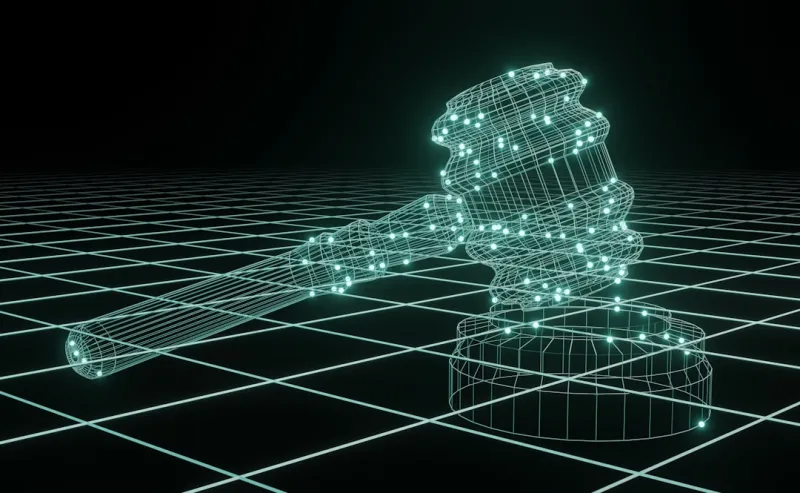
Why Criminal Law Is at a Crossroads
Every courtroom today feels like a backstage pass to a sci‑fi thriller, where prosecutors and defense attorneys juggle algorithms as eagerly as they wield statutes. The surge of digital evidence—from smartphone GPS logs to AI‑generated forensic analyses—has forced the legal community to rewrite the rulebook faster than any prior technological wave. Yet this rapid transformation is not merely a buzzword; it reshapes the very definition of “reasonable doubt” when a byte of data can confirm a suspect’s location within a ten‑meter radius. As we navigate these uncharted waters, the stakes climb: wrongful convictions risk becoming a statistical inevitability if we fail to standardize how digital proof is authenticated, preserved, and presented. The pressure is palpable, and the profession’s response will set the tone for justice in the decades to come.
From Challenges to Opportunities
The most immediate hurdle is the sheer volume of data flooding investigations. Law enforcement agencies now possess terabytes of surveillance footage, social‑media chatter, and biometric records that must be filtered, analyzed, and admitted under strict evidentiary standards. This overload threatens to overwhelm even the most seasoned detectives, but it also opens doors for sophisticated analytics that can pinpoint patterns invisible to the human eye. In practice, this means a murder case once reliant on shaky eyewitness testimony can now be bolstered—or dismantled—by a precise timeline generated from cellular tower pings. For a deeper dive into how these forces intersect, see the comprehensive overview in The Digital Revolution of Criminal Law: Challenges, Opportunities, and the Road Ahead. The lesson is clear: technology is not an adversary but a tool that, when wielded responsibly, can sharpen the pursuit of truth.
Redefining the Courtroom Experience
Modern trial rooms are evolving into hybrid environments where holographic reconstructions and real‑time data visualizations sit beside traditional exhibits. Imagine a juror watching a 3‑D model of a crime scene rotate, highlighting a suspect’s trajectory based on motion‑capture data extracted from a smartwatch. Such immersive presentations can enhance comprehension, yet they also risk swaying emotions over facts if not carefully regulated. Courts are now drafting new procedural safeguards—think pre‑trial hearings dedicated solely to the admissibility of algorithmic evidence—to ensure that flashy tech does not eclipse the core principles of fairness. Moreover, defense teams are leveraging encrypted communications to protect client confidentiality, prompting judges to balance privacy rights against the state’s investigative needs. This delicate dance underscores why the profession must stay ahead of the curve, adopting clear standards that preserve the integrity of the process while embracing innovation.
Privacy, Ethics, and the Power Balance
At the heart of the digital shift lies a profound ethical dilemma: how to harness powerful surveillance tools without eroding civil liberties. The proliferation of facial‑recognition software and predictive policing algorithms has sparked fierce debate about bias, accuracy, and the potential for mass overreach. Critics argue that these systems can reinforce systemic inequalities, especially when training data reflects historical prejudices. In response, several jurisdictions are piloting oversight boards that audit code, enforce transparency, and mandate human review before any algorithmic output informs a charging decision. These measures aim to keep the state’s power in check while still allowing investigators to capitalize on cutting‑edge capabilities. The conversation extends beyond the courtroom into legislative halls, where lawmakers grapple with crafting statutes that protect citizens without stifling legitimate law‑enforcement innovation.
Law Enforcement’s New Arsenal
Police departments are no longer limited to physical patrols; they now command fleets of drones, AI‑driven analytics platforms, and even automated license‑plate readers that scan thousands of vehicles per hour. While these tools can dramatically accelerate suspect identification, they also generate a deluge of data that must be managed responsibly. The key lies in establishing clear chain‑of‑custody protocols for digital artifacts, ensuring that every piece of evidence can be traced back to its source without tampering. For an insider’s perspective on balancing justice and technology, check out Criminal Law in the Digital Age: Balancing Justice and Technology. By adopting rigorous standards for data handling, agencies can mitigate the risk of evidence being dismissed on technical grounds, thereby strengthening prosecutions and safeguarding defendants’ rights alike.
Impact on Sentencing and Rehabilitation
Beyond the trial phase, digital tools are reshaping how judges determine sentences and monitor compliance. Risk‑assessment algorithms, fed by extensive criminal histories and socioeconomic data, now influence bail decisions and parole eligibility. Proponents claim these models promote consistency and reduce human bias, yet opponents warn they may perpetuate existing disparities encoded in the data. Parallel to this, wearable monitoring devices enable courts to enforce curfews or sobriety programs with unprecedented precision, offering alternatives to incarceration that focus on rehabilitation. The challenge is to ensure that such technologies are employed transparently, with defendants afforded the opportunity to contest algorithmic findings—a principle echoed across emerging best‑practice guidelines.
The Road Ahead: Preparing the Next Generation
Legal education must evolve in lockstep with these technological currents. Law schools are integrating courses on cyber forensics, AI ethics, and data privacy to equip future attorneys with the technical fluency required in modern practice. Simultaneously, continuing‑education programs for sitting judges and prosecutors emphasize hands‑on training with digital evidence platforms, ensuring that seasoned professionals remain competent amid rapid change. Partnerships between academia, tech firms, and bar associations are already producing certification pathways that validate expertise in digital criminal law. As the field matures, we can anticipate a new cadre of “tech‑savvy” lawyers who can interrogate code as deftly as they cross‑examine witnesses, thereby safeguarding the balance between innovation and the timeless pursuit of justice.
Conclusion: Embracing Change Without Losing Sight of Core Values
The convergence of technology and criminal law is not a fleeting trend; it is a fundamental reshaping of the justice system’s architecture. While the allure of cutting‑edge tools promises greater efficiency and accuracy, the profession must remain vigilant against complacency, bias, and erosion of fundamental rights. By fostering robust procedural safeguards, championing ethical standards, and investing in education, the legal community can turn this digital tide into a force for fairness rather than a source of new injustices. In the end, the gavel may be augmented by algorithms, but it must still be guided by the same human principles that have defined law for centuries.

Steven McClurry is a freelance writer. He loves to write controversial topics and on a wide rang of topics. When is not online he is hanging out at his college campus or playing online games.
Related Posts

Genetic Data, Police Power, and the Future of Criminal Law
A deep dive into the rise of DNA databases and predictive policing, examining privacy concerns, lega... Read More

Criminal Law in the Age of Algorithms: What Every Defender Must Know
A deep dive into how emerging tech—from AI evidence to sentencing algorithms—impacts criminal la... Read More

The Digital Revolution of Criminal Law: Challenges, Opportunities, and the Road Ahead
A deep dive into how tech—from smartphones to AI—transforms criminal law, highlighting challenge... Read More
Top Posts

Mental Health Duty of Care: A Labour Law Playbook
A deep dive into the evolving duty of care for employee mental health, offering legal insights, actionable steps, and future‑looking trends for businesses nav...Read More

Beyond the Will: Crafting Trusts That Weather the Unknown
Modern families need trusts that adapt to changing economic, digital, and environmental realities. This post outlines flexible distribution mechanisms, dynamic ...Read More

Reimagining Marriage Law for the Digital Age
Marriage law is evolving with technology. This post shows how dynamic prenups, digital asset trusts, privacy dashboards, and AI matchmaking impact modern unions...Read More

The Silent Peril of Autonomous Warehouse Robots
A deep dive into the unseen dangers of autonomous warehouse robots, covering liability, software bugs, third‑party API risks, and best‑practice safeguards f...Read More
0 Comments
Post Comment
You will need to Login or Register to comment on this post!