

When the After-Hours Commute Turns Dangerous: Employers, Liability, and Impaired Driving
In my two-decade run consulting for high-growth SaaS firms, I’ve watched legal risk evolve faster than most tech stacks. One risk that keeps resurfacing-often in the shadows of boardroom discussions-is the liability that surfaces when an employee decides to drive home after a work-related event while under the influence. While most conversations focus on commercial fleets or ride-share platforms, the reality is that many businesses, especially those with sales teams, field engineers, or client-facing staff, are exposed to a hidden danger that can cripple their bottom line and reputation.
What makes this scenario uniquely perilous is the intersection of three factors: the employer’s indirect control over employee behavior, the evolving legal standards for impaired driving, and the data-driven tools now available to both insurers and regulators. In this piece, I’ll walk through the practical steps a company can take to mitigate risk, the emerging legal doctrines that could be applied, and the technology trends reshaping how we detect and respond to impaired driving incidents.
The Hidden Exposure: Why After-Hours Driving Matters
Most corporate policies explicitly forbid employees from operating a vehicle while intoxicated, but enforcement is another story. A sales rep who closes a deal over dinner may think the policy doesn’t apply once they leave the restaurant. An on-call engineer who attends a team-building event might not realize that a few drinks could render them legally impaired for the remainder of the night. When these employees use their personal vehicles-or occasionally a company-issued car-to travel home, the employer can be dragged into lawsuits for negligent entrustment, wrongful death, or even punitive damages.
Courts have traditionally required a “foreseeability” element: could the employer have reasonably anticipated that the employee would drive while impaired? The answer often hinges on the company’s internal culture, the nature of the event, and the clarity of its policies. A lax attitude toward after-hours networking, coupled with a vague “no drinking and driving” clause, creates a perfect storm for liability.
Legal Landscape: From Negligent Entrustment to Modern Implied Duties
Negligent entrustment has been the cornerstone of impaired-driving liability for decades. The doctrine holds that if an employer knowingly places a vehicle in the hands of a driver who is incompetent, the employer can be held liable for resulting damages. However, recent case law is expanding the scope of “knowledge” to include indirect indicators such as attendance at alcohol-heavy events, recent disciplinary records for substance-related issues, or even the availability of sobriety-monitoring devices.
One emerging trend is the concept of an implied duty of care that extends beyond the workday. Courts in several jurisdictions are beginning to hold employers accountable when they fail to implement reasonable safeguards-like mandatory breathalyzer checks for employees who will be driving after company events. This shift reflects a broader societal push to treat impaired driving as a public-health crisis rather than a purely criminal matter.
Technology as a Shield: From Breathalyzer Apps to AI-Powered Monitoring
Enter technology. The rise of sobriety tech has transformed the conversation from “trust but verify” to “verify in real time.” Mobile breathalyzer integrations, wearable sensors that detect alcohol levels, and vehicle-embedded ignition interlocks are no longer futuristic concepts-they’re market-available solutions that can be woven into corporate risk-management programs.
Beyond hardware, AI is now capable of analyzing patterns in employee travel data, calendar entries, and even social-media check-ins to flag high-risk scenarios before they unfold. Imagine a system that cross-references an employee’s RSVP to a client dinner with a real-time breathalyzer reading from a paired smartphone. When the system detects a breach, it can automatically disable the vehicle’s ignition or send an alert to a designated safety officer.
Implementing such tools raises privacy concerns, but the legal landscape is increasingly accommodating solutions that balance employee rights with public safety. Companies that adopt transparent policies-clearly outlining what data is collected, how it’s used, and the safeguards in place- are better positioned to defend against claims of unreasonable intrusion.
Insurance Underwriting: Data-Driven Premiums and Claim Management
Insurance carriers are catching up fast. Underwriters are leveraging the same data streams that employers use to assess risk, adjusting premiums based on an organization’s “impaired-driving safety score.” This score aggregates factors like the number of post-event breathalyzer checks, historical incident rates, and the presence of safety-tech in the fleet.
For businesses, this translates into a tangible financial incentive to invest in preventative technology. Companies that can demonstrate a proactive stance often qualify for lower rates, reduced deductibles, and faster claim processing. Moreover, insurers are offering “claims-first” services that use AI to reconstruct accident scenes, expediting settlements and minimizing legal exposure.
Practical Steps for Companies: Building a Robust Mitigation Program
- Audit Existing Policies. Review your current vehicle-use and alcohol-consumption policies. Ensure they explicitly cover after-hours driving and outline consequences for violations.
- Integrate Technology. Deploy breathalyzer apps or wearable alcohol sensors for employees who are likely to drive after work events. Pair these with vehicle ignition interlocks where feasible.
- Educate and Train. Conduct regular training sessions that emphasize the legal and financial ramifications of impaired driving. Use real-world case studies to illustrate potential outcomes.
- Implement a Reporting Protocol. Establish a clear, anonymous channel for employees to report concerns about colleagues who may be attempting to drive while impaired.
- Collaborate with Insurers. Share your mitigation plan with your insurer to negotiate better terms and explore joint loss-prevention initiatives.
These steps form a layered defense-policy, technology, education, reporting, and insurance-that collectively reduces the probability of an impaired-driving incident and strengthens your position should a claim arise.
The Role of Corporate Culture: From “It’s a One-Time Thing” to Zero Tolerance
Policy and technology are only as effective as the culture that embraces them. A workplace that normalizes after-hours drinking without clear expectations about safe travel sends mixed signals. Leaders must model responsible behavior, perhaps by offering designated drivers, arranging rideshares, or providing on-site transportation for post-event gatherings.
When senior executives publicly commit to a zero-tolerance stance-backed by tangible resources like shuttle services-the message resonates throughout the organization. Employees are more likely to adhere to guidelines when they see that the company invests in their safety, not just its own legal shield.
Case Study: A SaaS Firm’s Turnaround After a Near-Miss
Consider a mid-size SaaS company that suffered a near-miss when a senior salesperson, after a client dinner, attempted to drive home while visibly intoxicated. A colleague intervened, preventing a potential tragedy, but the incident exposed a glaring policy gap: there was no protocol for post-event transportation.
In response, the firm launched a three-phase program:
- Policy Overhaul. The new policy mandated a “Safe Travel Confirmation” form for any event where alcohol was served.
- Tech Deployment. The company partnered with a breathalyzer app provider, giving all field staff a free subscription and integrating the data into their existing CRM.
- Cultural Initiative. Leadership instituted a monthly “Safety Spotlight” newsletter, highlighting real stories and rewarding teams with the lowest incident rates.
Within six months, the firm reported a 70% reduction in after-hours driving incidents and secured a 15% discount on its commercial auto insurance premium. The initiative also earned praise from the local chamber of commerce, reinforcing the brand’s reputation for responsibility.
Looking Ahead: Legislative Trends and Their Impact
Legislators are increasingly targeting impaired driving with stricter penalties and broader definitions of “driving” that include electric scooters, bicycles, and even walking while under the influence in certain jurisdictions. While these laws primarily focus on public safety, they indirectly affect employers by expanding the scope of potential liability.
Future legislation may require mandatory reporting of employee impaired-driving incidents to state authorities, similar to workplace injury reporting. Companies that proactively adopt comprehensive monitoring and reporting frameworks will be better prepared to comply without scrambling under regulatory pressure.
Balancing Privacy and Safety: A Pragmatic Approach
Privacy advocates argue that continuous monitoring of alcohol levels infringes on personal freedoms. To navigate this, firms should adopt a “minimum necessary” data collection model: gather only the data needed to assess risk at the moment of travel, store it securely, and purge it after a defined retention period.
Transparent communication is key. Provide employees with clear consent forms, explain the purpose behind each data point, and offer opt-out mechanisms where feasible-while still maintaining a safe environment. This balanced approach can satisfy both legal compliance and ethical standards.
Conclusion: From Reactive to Proactive Impaired-Driving Management
The bottom line is simple: impaired driving is not just a criminal issue; it’s a corporate risk that demands a strategic, technology-enabled response. By aligning policy, culture, and cutting-edge tools, companies can protect their people, their brand, and their balance sheet.
If you’re ready to move from a reactive posture-waiting for an accident to happen-to a proactive framework that anticipates and prevents impaired-driving incidents, start today. Conduct a policy audit, explore the latest sobriety-tech solutions, and engage with your insurance partner to leverage data-driven underwriting. The investment you make now could save lives and preserve the future of your business.

Steven McClurry is a freelance writer. He loves to write controversial topics and on a wide rang of topics. When is not online he is hanging out at his college campus or playing online games.
Related Posts
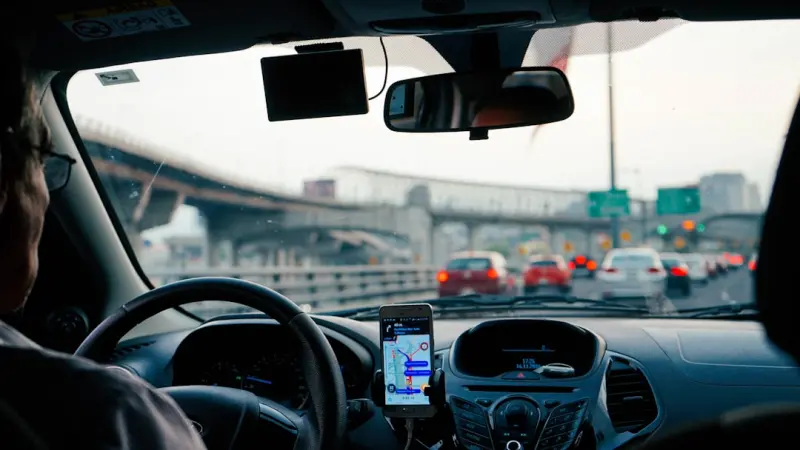
Beyond the Breathalyzer: Business Strategies to Tackle Impaired Driving Risks
Impaired driving impacts more than just traffic safety-it’s a hidden liability for companies. This... Read More

When Data Meets Humanity: A Compassionate Playbook for Tackling Impaired Driving in the Modern Workplace
A compassionate, data-driven framework helps companies move beyond punitive policies, integrating em... Read More
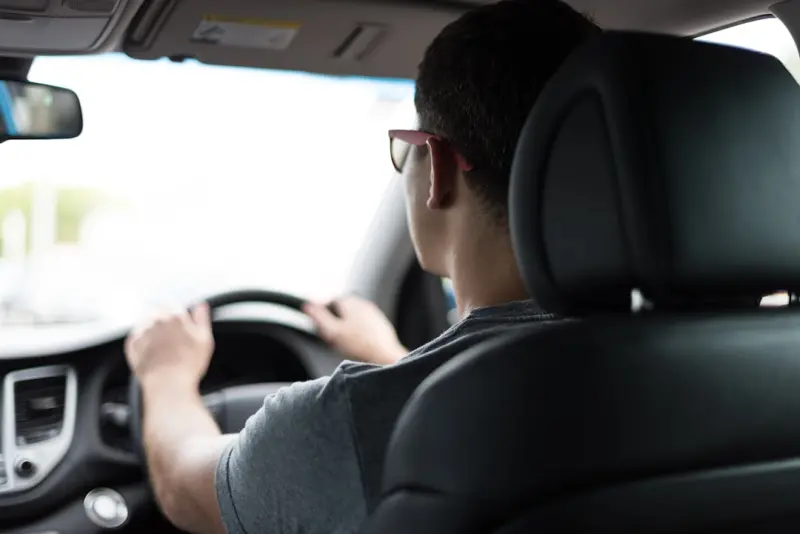
Why Impaired Driving Must Evolve in the Age of Assisted Vehicles
Impaired driving is no longer just a human-error problem; advanced driver-assist systems, OTA update... Read More
Top Posts

Safeguarding AI-Generated Creations: An IP Playbook for the Modern Innovator
A deep dive into the unique intellectual-property challenges posed by AI-generated works, offering a hybrid protection strategy, practical checklist, and insigh...Read More

Strategic Asset Protection: A Post-Divorce Blueprint for Professionals
A practical guide for professionals navigating divorce, focusing on protecting business interests, retirement funds, and credit while building a financially sec...Read More

Grandparent Visitation Rights: A Compassionate Path to Preserving Family Bonds
Discover practical steps, legal foundations, and strategies for grandparents seeking visitation rights to protect and nurture their bond with grandchildren....Read More

The Hidden Shifts Shaping Modern Employment Law
A seasoned attorney reveals how remote work, data privacy, and the gig economy are redefining employment law, offering practical strategies for businesses to na...Read More
0 Comments
Post Comment
You will need to Login or Register to comment on this post!