
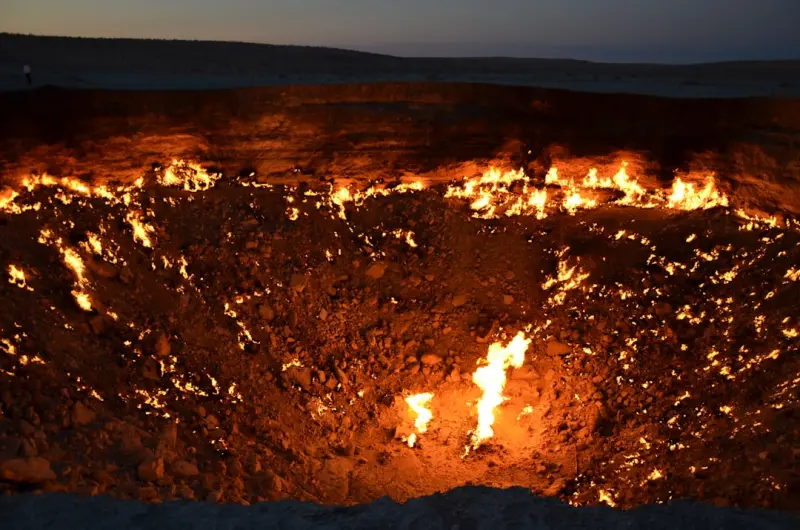
Why Some Operations Are Worth the Burn
When a massive blaze engulfs a chemical plant or a remote mining tunnel, the decision to send in a specialized crew isn’t just about putting out flames—it’s a calculated gamble with lives, the environment, and legal fallout. The teams that answer these calls carry gear that looks like something out of a sci‑fi movie, yet every bolt, hose, and breathing apparatus is the result of decades of trial, error, and sometimes tragic loss. High‑risk industrial firefighting operates under a veil of urgency, where minutes can mean the difference between a contained incident and a catastrophe that ripples through communities for years. In this arena, the line between heroism and hazard blurs, and the stakes are amplified by the volatile chemicals, confined spaces, and the ever‑present threat of structural collapse. Understanding why these operations are deemed “dangerous” requires peeling back the layers of engineering, protocol, and human resolve that keep the flames at bay while safeguarding the very people who confront them.
The Anatomy of a Dangerous Operation
First, there’s the equipment. Modern fire suppression units for industrial sites are no longer just water hoses; they’re sophisticated systems that deploy foam, dry chemicals, and even inert gases designed to smother fires without triggering secondary reactions. Each piece of gear must be meticulously maintained, because a single malfunction can turn a rescue into a disaster. This is where the right to repair conversation takes on a life‑or‑death dimension—operators need immediate access to parts and service manuals, not endless corporate gatekeeping. Secondly, the personnel: crews are composed of engineers, chemists, and veteran firefighters who train for weeks in simulated environments that mimic the exact conditions they’ll face. Their expertise isn’t just about strength; it’s about reading subtle changes in temperature, air quality, and structural integrity that only a seasoned eye can catch.
Legal Minefields Beneath the Flames
The legal landscape surrounding dangerous operations is a labyrinth of regulations, liability clauses, and insurance mandates that can shift with each new incident. When a fire erupts at a facility handling hazardous waste, the operating company must navigate federal statutes like the Clean Air Act, state environmental codes, and occupational safety standards—all while defending against potential lawsuits from injured workers or affected neighbors. In many cases, the first responders themselves become part of the legal puzzle, as their actions are scrutinized for compliance with the Occupational Safety and Health Administration’s (OSHA) strict guidelines. A misstep, even if made under duress, can trigger costly litigation that drags on for years, eroding public trust and draining corporate resources. It’s a delicate dance: the urgency to act versus the caution required to stay within the bounds of the law.
The Human Cost: Beyond the Heat
While statistics often focus on property damage and environmental impact, the personal toll on firefighters and support staff is profound. Exposure to toxic fumes, extreme temperatures, and psychological stress can lead to chronic health issues that surface long after the flames are extinguished. Studies have linked repeated exposure to certain chemicals with respiratory diseases and even cancers, making post‑incident monitoring a crucial, yet sometimes overlooked, component of the operation. Moreover, the mental burden of making split‑second life‑or‑death decisions can manifest as PTSD, anxiety, or depression. Organizations are beginning to recognize these hidden injuries, implementing comprehensive debriefings, mental‑health resources, and long‑term medical surveillance. Yet, the culture of stoic bravery can still discourage individuals from seeking help, perpetuating a cycle of silent suffering that extends far beyond the initial emergency.
Technology’s Double‑Edged Sword
Advancements in remote sensing, drones, and real‑time data analytics have revolutionized how dangerous operations are conducted. Drones equipped with thermal imaging can scout hot spots without endangering a human pilot, while AI‑driven predictive models anticipate how a fire might spread based on material composition and airflow. However, this tech boom introduces new vulnerabilities. Cybersecurity threats can compromise control systems, leading to delayed responses or even the inadvertent release of suppression agents. The intersection of workplace surveillance tools and operational equipment raises privacy concerns for crew members who may feel constantly monitored, potentially affecting morale and performance. Balancing the benefits of cutting‑edge tools with the risk of over‑reliance is a constant negotiation for agencies tasked with protecting both people and property.
Training Simulations: From Virtual to Reality
Simulated training environments have become a cornerstone of preparedness, allowing crews to rehearse scenarios that would be too dangerous to replicate live. Virtual reality (VR) modules place firefighters inside a burning refinery, complete with realistic soundscapes and heat feedback, sharpening decision‑making under pressure. These simulations also integrate legal decision points, forcing participants to consider compliance with safety protocols while navigating the chaotic reality of a real fire. The feedback loop from simulation to actual deployment has been shown to reduce on‑scene errors, improve coordination, and ultimately save lives. Yet, critics argue that no amount of virtual exposure can fully substitute for the visceral experience of heat, smoke, and the physical strain of carrying heavy equipment—reminding trainers that a hybrid approach remains essential.
Community Impact and the Road to Recovery
When a dangerous operation concludes, the aftermath ripples through the surrounding community. Air quality alerts, water contamination, and displaced residents are just the beginning. Local economies can suffer as businesses shut down, and the psychological scar of witnessing a massive fire can linger for generations. Effective recovery plans therefore extend beyond rebuilding infrastructure; they must incorporate transparent communication, community health monitoring, and equitable compensation for losses. Public trust hinges on how openly authorities share information about the incident’s cause, the steps taken to mitigate future risks, and the support available to affected families. Successful post‑incident stewardship often determines whether a community emerges resilient or remains haunted by the event.
The Future of Dangerous Operations
Looking ahead, the industry is poised to adopt greener suppression agents, autonomous firefighting robots, and more robust regulatory frameworks that prioritize both safety and environmental stewardship. Legislative bodies are beginning to draft policies that require mandatory access to repair manuals for critical equipment, echoing the broader right to repair movement and ensuring that emergency teams aren’t left stranded by supply chain delays. Meanwhile, interdisciplinary collaborations between engineers, legal scholars, and mental‑health professionals promise more holistic approaches to risk management. As climate change fuels more extreme weather events and industrial processes become increasingly complex, the need for agile, well‑trained, and legally savvy response teams will only intensify. The challenge lies in harnessing innovation without sacrificing the human element that has always been at the heart of these perilous missions.

Kris Kennel is a Paralegal outside of Austin, Texas where he spends most of his time helping users with legal matters that concern them. When he is not working he enjoys time with his wife and kids.
Related Posts
Inside the Dark Side of High‑Risk Digital Operations
A deep dive into the covert world of high‑risk digital operations, revealing botnet‑driven crypt... Read More
Low‑Code, High‑Risk: Turning Drag‑and‑Drop Into a Dangerous Operation
Low‑code promises rapid app development, but hidden risks can turn a simple drag‑and‑drop work... Read More
When Urban Drone Swarms Turn Hazardous: Inside the Hidden Risks
A deep dive into the perilous side of urban drone swarms, revealing technical, human, and regulatory... Read More
Top Posts

The 2026 Medical Law Landscape: AI, Telehealth, and Patient Rights
A deep dive into 2026’s medical law revolution, covering AI diagnostics, telehealth licensing, data privacy, and emerging litigation trends....Read More

Turning Green into Gold: Harnessing Tax Incentives for Sustainable Tech
Learn how SaaS and technology companies can turn sustainability projects into financial gains by leveraging federal and state tax incentives, integrating ESG me...Read More
The Hidden Power of Victim Impact Statements in Shaping Criminal Sentences
Victim impact statements give survivors a voice in court, swaying sentences and prompting reforms. Discover their legal roots, challenges, and future in crimina...Read More

Charting the Legal Skies: A Guide to Commercial Drone Operations
Dive into the complex world of commercial drone law, where federal rules, state nuances, privacy concerns, and liability intersect, and learn how to fly safely ...Read More
0 Comments
Post Comment
You will need to Login or Register to comment on this post!