
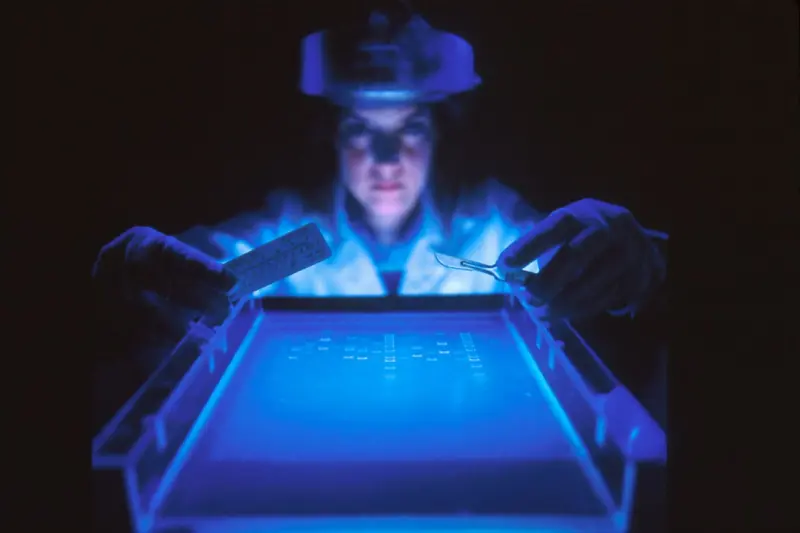
The Scalpel Meets the Server: Unpacking the Dangerous Reality of Remote Surgical Operations
When I first walked into a high‑tech operating theater, the hum of machines was as familiar as the rustle of surgical gowns. Today, that hum is joined by a faint, persistent ping from a distant data center—a reminder that a surgeon’s hands may be thousands of miles away from the patient’s body. Remote surgical systems promise unprecedented access to specialty care, but they also usher in a new class of dangerous operations that demand a fresh legal, ethical, and operational playbook.
From Telesurgery Dreams to Real‑World Nightmares
The concept of telesurgery is not new; the first successful remote appendectomy was performed over a decade ago. What has changed is the scale and speed of deployment. Private hospitals now market “instant expert access” as a competitive advantage, while military units experiment with battlefield‑grade robots that can be controlled from a safe zone miles away. Yet every success story hides a growing list of failure modes: latency spikes that turn a precise incision into a jagged cut, software glitches that freeze robotic arms mid‑movement, and cybersecurity breaches that could hand control of a scalpel to a hostile actor.
These risk vectors are not theoretical. In 2022, a leading tele‑cardiology platform suffered a ransomware attack that temporarily disabled remote monitoring for dozens of patients, forcing on‑site clinicians to intervene under suboptimal conditions. The incident sparked heated debate about who bears liability when a digital intrusion directly jeopardizes a patient’s life.
Latency: The Silent Killer
Every millisecond of delay between a surgeon’s command and the robot’s response can be the difference between life and death. While fiber‑optic links promise sub‑millisecond latency under ideal conditions, real‑world networks are subject to congestion, packet loss, and physical disruptions. Surgeons trained to anticipate the tactile feedback of a scalpel must now develop a sixth sense for network health—a skill that traditional surgical curricula do not teach.
When latency spikes, surgeons often rely on visual cues alone. This shift magnifies the importance of high‑resolution, low‑latency video streams, but also introduces new failure points: camera drift, compression artifacts, and even subtle color shifts that can mask tissue bleeding. The result is a fragile equilibrium where technology amplifies both precision and peril.
Software Glitches and the Illusion of Infallibility
Robotic surgical platforms run on complex codebases, many of which are proprietary and rarely subjected to the same public scrutiny as open‑source medical software. A single undocumented bug can cause the robot to move beyond its programmed limits, apply excessive force, or misinterpret sensor data. In a recent internal audit of a popular tele‑surgery system, engineers uncovered a rare concurrency bug that manifested only under specific network conditions—exactly the scenario most likely in a remote, bandwidth‑constrained environment.
Such hidden defects challenge the traditional notion of “device safety” that regulators rely on. When a glitch occurs mid‑procedure, the surgeon’s ability to intervene is limited by the same latency that made the robot attractive in the first place. The result is a paradox: the technology designed to reduce human error can introduce a new class of error that is harder to predict and even harder to remediate.
Cybersecurity: When the Operating Room Becomes a Battlefield
Every connected device is a potential entry point for malicious actors. In the context of remote surgery, a breach does more than expose patient data—it could grant an attacker direct control over the robot’s movements. The stakes are higher than any data theft; an adversary could deliberately cause tissue damage, hemorrhage, or even death.
Security experts recommend a “defense‑in‑depth” approach: encrypted communication channels, multi‑factor authentication for surgeon consoles, and continuous network monitoring. However, these safeguards add layers of complexity that can inadvertently increase latency. Balancing security with performance is a tightrope walk, and missteps can have catastrophic consequences.
Legal Liability in a Distributed Landscape
When a traditional surgeon operates on a patient in the same room, liability is clear: the physician, the hospital, and perhaps the device manufacturer share responsibility. Remote surgery shatters that neat division. Imagine a scenario where a surgeon in Singapore controls a robot in a rural clinic in Kenya, while the robot’s software is developed in the United States and the data is routed through a European cloud provider.
Current malpractice frameworks struggle to assign fault across jurisdictions. Some courts have begun treating the remote surgeon as the “acting physician,” but others argue that the platform provider bears primary responsibility for any software‑induced injury. The autonomous hazardous operations debate offers a useful parallel, yet remote surgery adds a human‑in‑the‑loop element that complicates the analogy.
Insurance Gaps and the Rise of Emerging Insurance Policies
Traditional malpractice insurance policies rarely account for the unique risks of remote procedures. Insurers are now drafting bespoke coverages that address network outages, cyber‑theft, and cross‑border liability. These policies often require detailed risk assessments, including latency analyses and penetration testing reports—a far cry from the standard “claims‑made” policies that have served surgeons for decades.
One emerging trend is “cyber‑surgical” endorsements that trigger coverage when a ransomware incident forces an abrupt termination of a remote procedure. While innovative, these endorsements raise questions about premium calculations, sub‑limits, and exclusions that could leave providers exposed if a claim falls outside the narrowly defined trigger events.
Ethical Quandaries: Consent, Equity, and the “Digital Divide”
Informed consent for remote surgery must now encompass not only the usual medical risks but also the technology‑specific uncertainties: potential latency, software reliability, and cybersecurity threats. Patients often lack the technical literacy to fully grasp these nuances, creating an asymmetry of information that can undermine the consent process.
Moreover, the promise of remote access can mask a new form of inequity. Wealthier hospitals can afford premium, low‑latency connections and cutting‑edge robots, while under‑resourced facilities may rely on subpar infrastructure, increasing the likelihood of adverse events. The result is a tiered system where “remote care” becomes a luxury rather than a universal solution.
Future Directions: Toward a Safer Remote Surgical Ecosystem
Addressing the dangerous operation of remote surgery requires a multidisciplinary effort. Regulators must develop cross‑jurisdictional standards that define acceptable latency thresholds, mandatory software audits, and cybersecurity certification for surgical robots. Medical schools should integrate network engineering basics into surgical training, while hospitals need robust contingency plans that enable rapid hand‑off to on‑site clinicians.
Finally, industry stakeholders must collaborate on transparent data sharing about near‑miss incidents. Just as aviation safety improved through the systematic reporting of minor glitches, a “remote surgery safety registry” could illuminate patterns that currently remain hidden behind corporate confidentiality agreements. Only by shedding light on these dark corners can we transform a technology teetering on the edge of danger into a reliable tool for saving lives worldwide.

Kris M. Chen is a dedicated legal paralegal based in Texas, specializing in delivering comprehensive case management and litigation support. Known for a meticulous approach to legal research and document preparation, Kris plays a vital role in navigating complex legal workflows and ensuring seamless trial preparation.
Related Posts
When Drone Deliveries Turn Into Dangerous Operations
Drone delivery promises speed but hides complex safety, cyber, and regulatory risks. This article un... Read More

When Steel Gains a Brain: Managing the Risks of Autonomous Construction
The article examines the rise of autonomous construction machinery, outlining operational hazards, l... Read More

Low‑Code, High‑Risk: Turning Drag‑and‑Drop Into a Dangerous Operation
Low‑code promises rapid app development, but hidden risks can turn a simple drag‑and‑drop work... Read More
Top Posts

Navigating Child Custody with Compassion and Modern Tools
Explore how empathy, technology, and flexible agreements transform child custody from conflict to collaboration, ensuring a healthier future for children....Read More
The Hidden Hazard of Self‑Healing Infrastructure
Self‑healing systems promise instant remediation, but without intent‑first guardrails, human checks, and robust observability, they can become hazardous. Th...Read More
Beyond the Code: Safeguarding Intellectual Property in API‑Driven SaaS
APIs unlock growth but can expose core inventions. This guide shows SaaS leaders how to audit, patent, and license API assets, enforce trade‑secret safeguards...Read More

The Human‑First SEO Playbook for SaaS Companies
A practical guide to modern SEO for SaaS, focusing on user intent, technical health, content hubs, and balanced metrics, while integrating AI responsibly....Read More
0 Comments
Post Comment
You will need to Login or Register to comment on this post!