
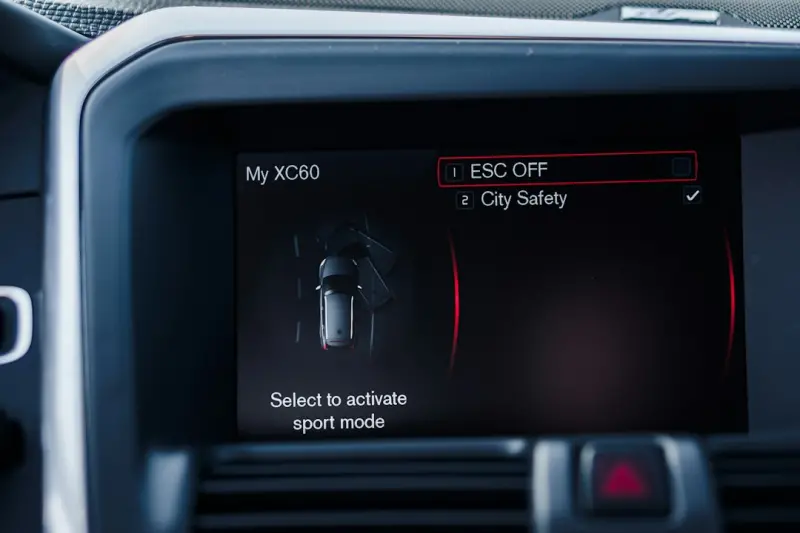
Imagine you pull into the driveway after a long commute, hit the start button, and the dashboard flashes an error you’ve never seen before. Your car’s software just received an over‑the‑air (OTA) update, and now the vehicle refuses to move. You’re not just dealing with an inconvenience—you’re staring at a potential legal quagmire. As the automotive industry accelerates its shift from mechanical to digital, the law is scrambling to keep pace. This piece dives deep into the emerging legal terrain surrounding OTA updates, warranty obligations, consumer protection, and liability when a software bug turns your ride into a paperweight.
The OTA Revolution: From Luxury Features to Core Functions
Once upon a time, a car’s “software” was limited to the radio or a handful of diagnostic codes. Today, OTA updates can rewrite the very logic that controls braking, steering assist, and battery management. Manufacturers tout the benefits—rapid bug fixes, new features without a dealership visit, and a continuous improvement model reminiscent of smartphones. Yet, the speed and scope of these updates raise fresh questions:
- Who decides what gets updated? Is it the automaker’s engineering team, a third‑party supplier, or the driver who consents to a “feature upgrade”?
- What happens when an update is rolled out without proper testing? A misconfiguration can cause unintended acceleration, loss of power, or even compromise safety systems.
- Do traditional warranty terms cover software glitches? Most warranties were drafted before the era of OTA, leaving a gray area that courts are now confronting.
Warranty Law Meets Code: Interpreting Existing Contracts
Most new‑car warranties are written in plain English: “We cover defects in materials and workmanship for X years or Y miles.” The term “defect” traditionally implied a physical component failure. However, when a defect lives in a line of code, does the same language still apply?
Legal scholars argue that warranties should be interpreted broadly to encompass any failure that impairs the vehicle’s intended use, regardless of whether the culprit is steel or software. In practice, though, the outcome often hinges on the specific language of the warranty and any accompanying “software update policy.” Some manufacturers have begun to include clauses that:
- Define software as a “service” rather than a “part.”
- Limit liability for “known issues” that are “being addressed in future updates.”
- Require drivers to accept the update before it is installed, effectively shifting responsibility to the consumer.
When a driver refuses an update that later proves to be a critical fix, the manufacturer may argue that the driver contributed to the failure. Conversely, if the update is automatically installed and breaks the car, the consumer may have a stronger claim that the automaker breached its warranty obligations.
Consumer Protection Statutes: A Safety Net?
Beyond warranties, state and federal consumer protection statutes provide an additional layer of recourse. The Magnuson‑Moss Warranty Act, for example, requires clear disclosure of warranty terms and prohibits deceptive practices. If an OTA update is marketed as “free” but later results in a costly repair, the driver could allege a violation of Magnuson‑Moss.
Some states have begun to address software‑related vehicle issues directly. For instance, California’s “Automotive Software Update Act” (hypothetical for illustration) mandates that manufacturers obtain explicit consent before installing updates that affect safety‑critical systems and provide an easy rollback option. While such statutes are still rare, they signal a growing awareness that traditional consumer protection frameworks need to be adapted for digital vehicles.
Data Ownership and Privacy: The Invisible Link
When a car receives an OTA update, it typically streams telemetry back to the manufacturer—speed, location, battery health, and sometimes driver behavior. This data exchange is essential for diagnosing issues, but it also raises privacy concerns. Drivers may unknowingly grant broad permissions that allow automakers to collect, store, and even monetize vehicle data. Understanding these data flows is crucial because they can affect liability.
For a deeper dive into the nuances of vehicle data rights, see our article on Data Ownership in Modern Vehicles. The interplay between data collection and OTA updates creates a feedback loop: data informs updates, and updates generate new data, complicating the question of who owns the “defect” when things go wrong.
Case Study: The “Phantom Braking” Glitch
In early 202X, a major EV manufacturer pushed an OTA update to improve regenerative braking efficiency. Within days, a subset of owners reported sudden, uncommanded braking at highway speeds. The company quickly issued a rollback, but the damage was done—several accidents were filed, and a class‑action lawsuit emerged.
Key legal takeaways from the case:
- Product Liability vs. Warranty Claim: Plaintiffs pursued both negligence (product liability) and breach of warranty theories. The court allowed both claims to proceed, emphasizing that software is a “product” under many state statutes.
- Risk Management Disclosure: The manufacturer’s failure to adequately warn about the update’s potential impact was deemed a breach of duty.
- Recall vs. Update: Regulators treated the OTA patch as a recall, triggering additional compliance obligations under the National Highway Traffic Safety Administration (NHTSA) guidelines.
Regulatory Landscape: NHTSA and Beyond
The NHTSA has started to treat OTA updates as a form of “recall” when they address safety‑critical defects. Recent guidance encourages manufacturers to develop “over‑the‑air recall procedures,” which include:
- Pre‑deployment testing on a representative sample of vehicles.
- Clear communication to owners about the nature of the defect and the steps required to install the fix.
- Mechanisms for owners to decline the update without jeopardizing warranty coverage.
Other jurisdictions are watching closely. The European Union’s “Vehicle Software Regulation” (hypothetical) proposes mandatory certification for OTA updates that affect safety systems, akin to medical device approvals. While these rules are still evolving, they underscore the shift toward a regulatory regime that treats software as a core component of vehicle safety.
Third‑Party Software and the “App Store” Model
Some automakers are experimenting with an “app store” for cars, allowing third‑party developers to sell performance upgrades, infotainment extensions, and even autonomous driving packages. This model mirrors smartphone ecosystems, but it also introduces new liability layers:
- Developer Liability: If a third‑party app causes a crash, can the developer be held liable, or does the liability fall on the automaker who approved the app?
- Consumer Consent: Drivers may be asked to “accept terms” without fully understanding the risks associated with third‑party code.
- Insurance Implications: Insurers are beginning to ask policyholders whether they have installed any aftermarket software, potentially adjusting premiums based on perceived risk.
These complexities echo the challenges discussed in Steering Through the New Liability Landscape for Autonomous Vehicles, but the focus here is on software added by entities other than the OEM.
Practical Steps for Drivers
While manufacturers and regulators wrestle with policy, drivers can take proactive measures to protect themselves:
- Read the Fine Print: Before consenting to any OTA update, review the manufacturer’s update policy. Look for clauses that limit liability or require driver acceptance.
- Maintain Records: Keep a log of update notifications, dates installed, and any resulting issues. This documentation can be crucial if you need to file a warranty claim or lawsuit.
- Know Your Warranty: Understand whether your warranty covers software defects. Some extended service contracts explicitly address “software updates” as a separate coverage line.
- Stay Informed: Follow reputable automotive news sources and join owner forums. Early reports of a problematic update can give you a heads‑up to postpone installation.
- Consult Legal Counsel: If an update causes a significant loss—whether it’s a repair bill, a missed delivery deadline, or a personal injury—consider reaching out to an attorney experienced in automotive law.
What Automakers Should Do Now
To mitigate risk and maintain consumer trust, manufacturers should adopt best practices that align with emerging legal expectations:
- Transparent Communication: Clearly explain what the update does, why it’s needed, and any known side effects.
- Opt‑Out Mechanisms: Provide a straightforward way for owners to decline an update without forfeiting warranty coverage, especially for non‑safety‑critical features.
- Robust Testing Protocols: Conduct extensive field testing across diverse vehicle configurations before mass deployment.
- Post‑Update Support: Offer a rapid response hotline and on‑site assistance for owners who experience issues after an update.
- Collaboration with Regulators: Participate in industry working groups to shape sensible OTA standards that balance innovation with safety.
Looking Ahead: The Future of Vehicle Software Governance
The trajectory is clear: cars will continue to evolve into rolling computers, receiving continuous enhancements long after they leave the showroom. As this digital lifecycle expands, the legal framework must transition from a “once‑and‑done” warranty model to a dynamic, service‑oriented regime. Potential developments include:
- Software‑Only Warranties: Separate coverage for code defects, similar to software support contracts in the IT industry.
- Insurance Products for OTA Risk: Policies that cover losses stemming from faulty updates, perhaps bundled with traditional auto insurance.
- Standardized Certification: An industry‑wide “software safety seal” that signals compliance with rigorous testing and security standards.
Until those structures are in place, drivers, manufacturers, and insurers will continue to navigate a shifting legal terrain—one line of code at a time.

Steven McClurry is a freelance writer. He loves to write controversial topics and on a wide rang of topics. When is not online he is hanging out at his college campus or playing online games.
Related Posts

Driving Change: 2024 Trends Shaping Automotive Law
A deep dive into 2024’s automotive law shifts, covering emissions, self‑driving tech, data priva... Read More
Vehicle Subscription Services: Legal Risks & Rewards
Vehicle subscription services blend leasing, financing, and rentals into a single monthly fee, resha... Read More

The Fast‑Lane of Automotive Law: Trends Shaping the Road Ahead
A deep dive into emerging automotive law issues, covering autonomous vehicle liability, electric car... Read More
Top Posts

The Modern Non‑Compete: Protecting SaaS Talent Without Stifling Innovation
A deep dive into the resurgence of non‑compete agreements in the SaaS sector, offering practical guidance on crafting enforceable clauses, alternatives, and c...Read More

Navigating the New Frontier: NFTs, Virtual Real Estate, and Your Legacy
A deep dive into integrating NFTs, virtual land, and other digital collectibles into trusts, covering valuation, tax, risk mitigation, and future‑proofing wit...Read More

Open‑Source SaaS: Guarding IP While Embracing Collaboration
A deep dive into how SaaS firms can strategically use open‑source components without sacrificing patents, copyrights, or trade secrets, featuring actionable c...Read More

Wearable Tech and the New Frontier of Personal Injury Law
Wearable devices are becoming critical evidence in personal injury cases, offering objective data on impact, location, and physiological response. This post exa...Read More
0 Comments
Post Comment
You will need to Login or Register to comment on this post!