
The Wearable Revolution in Personal Injury Cases
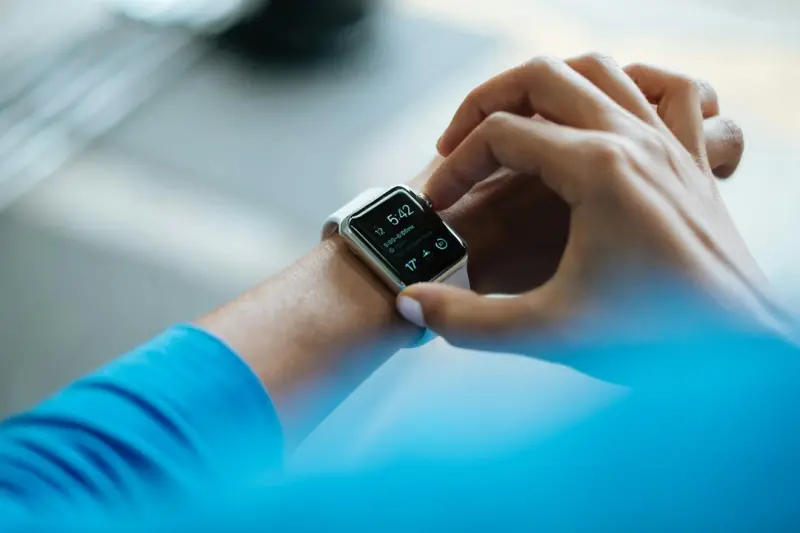
Imagine walking into a courtroom and, instead of a shaky testimony, you have a sleek smartwatch flashing a precise timeline of heart rate spikes, step counts, and even GPS coordinates from the exact moment an accident occurred. That isn’t a sci‑fi scenario any longer—it’s the emerging reality for personal injury litigators, insurers, and the injured themselves. In the past decade, wearable technology has leaped from niche fitness accessories to omnipresent health monitors, and the legal implications are staggering.
Why Wearables Matter More Than Ever
Personal injury law has always hinged on two pillars: causation and damages. Proving that a defendant’s negligence caused the plaintiff’s injury, and quantifying the resulting losses, used to rely heavily on witness statements, medical records, and expert testimony. Wearables now inject a new, data‑rich layer into that equation.
- Objective physiological data: Heart rate, blood oxygen saturation, and activity levels can corroborate or refute claims of pain, disability, or emotional distress.
- Location tracking: GPS logs create an immutable timeline that can establish where a plaintiff was at a critical moment, helping to pinpoint liability.
- Post‑injury monitoring: Continuous data collection provides a longitudinal view of recovery, essential for assessing long‑term damages.
These capabilities are reshaping negotiations, trial strategies, and even the very definition of “injury” in a legal context.
From Fitness Tracker to Legal Evidence
While the novelty of wearables grabs headlines, the practical steps to admit this data in court are anything but simple. Courts must wrestle with issues of authenticity, relevance, and privacy. Below are the primary hurdles and how seasoned practitioners are navigating them.
1. Authentication and Chain of Custody
Just like any electronic record, a smartwatch’s data must be authenticated. That typically involves:
- Obtaining a digital forensic report from the device manufacturer or an accredited third‑party lab.
- Establishing a chain of custody that tracks who accessed the data, when, and under what circumstances.
- Demonstrating that the device’s firmware and software were not tampered with.
Many firms now partner with Embedded Insurance specialists who have built platforms to securely collect and preserve wearable data from the moment an incident occurs.
2. Relevance and Admissibility
Judges apply the same relevance test used for traditional evidence. The data must directly speak to a material fact—usually the extent of the injury or the plaintiff’s condition at the time of the accident.
For example, a sudden spike in heart rate paired with a recorded fall can be a powerful indicator of a traumatic event, supporting claims of whiplash or concussion. Conversely, if the data shows normal vitals before and after an alleged injury, defense counsel may use it to challenge the severity of the claimed damages.
3. Privacy Concerns and the Right to Be Forgotten
Wearable data is intrinsically personal. Plaintiffs must consent to its disclosure, and courts must balance the probative value against privacy intrusions. The Privacy by Design framework, originally crafted for SaaS platforms, is now being adapted by law firms to ensure that data collection respects both statutory privacy regimes and ethical obligations.
Key best practices include:
- Providing clear, written consent forms that explain how the data will be used.
- Limiting data collection to the specific metrics needed for the case.
- Implementing secure storage solutions that encrypt data at rest and in transit.
Strategic Advantages for Plaintiffs
When wielded correctly, wearable data can turn a nebulous “pain and suffering” claim into a concrete, quantifiable narrative.
- Enhanced Credibility: Objective data can bolster a plaintiff’s credibility, especially when the injury is “invisible” (e.g., chronic pain).
- Negotiation Leverage: Settlement discussions often hinge on the perceived strength of the evidence. Wearable metrics can tilt the scales toward a more favorable offer.
- Reduced Litigation Costs: With clear, data‑driven proof, parties may avoid costly expert testimonies and lengthy discovery battles.
Potential Pitfalls for Defense Teams
Defendants are not powerless. In fact, the same data that strengthens a plaintiff’s case can be weaponized against them.
- Data Gaps: If the plaintiff’s device was off, not worn, or malfunctioned during the incident, the absence of data may raise reasonable doubt.
- Alternative Interpretations: A spike in heart rate could be attributed to anxiety, caffeine, or even a pre‑existing condition, not necessarily the accident.
- Technical Challenges: Disputing the accuracy of the device’s sensors can be an effective defense strategy, especially if the brand is known for variability.
Case Study: The Smartwatch Slip‑and‑Fall
Consider a recent case involving a high‑rise office building where a plaintiff slipped on a wet floor near an elevator. The plaintiff’s smartwatch recorded a sudden drop in step count, a 30‑second period of no movement, and a rapid heart‑rate surge from 70 to 115 beats per minute. The data was authenticated by a certified digital forensic analyst and presented alongside surveillance footage.
The defense argued that the heart‑rate spike could be due to stress rather than injury. However, the plaintiff’s attorney introduced expert testimony correlating the specific physiological pattern with acute musculoskeletal trauma. The jury awarded a settlement well above the initial demand, citing the “irrefutable” wearable evidence.
This case illustrates how wearable data can bridge the gap between subjective testimony and objective proof, especially in “no‑witness” scenarios.
Integrating Wearable Data with Traditional Evidence
Wearables are not a silver bullet; they work best when blended with conventional evidence.
- Medical Records: Pairing heart‑rate data with emergency room notes creates a compelling timeline of injury.
- Surveillance Video: GPS logs can confirm a plaintiff’s location on video, strengthening causation arguments.
- Expert Analysis: Biomechanics experts can interpret activity metrics to reconstruct the forces involved in an accident.
Law firms are increasingly adopting integrated case management platforms that ingest wearable data, medical records, and discovery documents into a single searchable repository, streamlining the preparation process.
Emerging Trends to Watch
As wearables evolve, so too will their legal impact. Here are three trends that will shape personal injury practice in the coming years.
1. Real‑Time Claim Filing
Some insurers are piloting apps that automatically upload accident data from a wearer’s device at the moment of impact. This could accelerate claim filing and reduce disputes over the timing of injuries.
2. AI‑Enhanced Data Interpretation
Machine‑learning algorithms can now sift through terabytes of wearable data to identify patterns indicative of injury. Expect AI‑driven dashboards that flag “red‑flag” events for attorneys, similar to predictive analytics in fleet management. In fact, the Predictive Fleet Management model provides a blueprint for how these tools might be repurposed for litigation.
3. Regulatory Harmonization
States are beginning to codify rules around the admissibility of biometric data. The forthcoming “Wearable Evidence Act” (a working title) aims to standardize authentication protocols and privacy safeguards, making it easier for courts nationwide to handle this new class of evidence.
Practical Tips for Practitioners
Whether you’re a seasoned litigator or a solo practitioner, integrating wearables into your workflow requires deliberate planning.
- Educate Your Clients: Explain the benefits and privacy implications of sharing wearable data early in the intake process.
- Secure Expert Partnerships: Build relationships with digital forensics labs and biomechanics specialists who understand wearable tech.
- Develop a Data Retention Policy: Align your practice’s data handling with the Privacy by Design principles to avoid inadvertent disclosures.
- Stay Informed on Legislation: Monitor emerging statutes and case law that affect the admissibility of biometric evidence.
- Leverage Technology Platforms: Adopt case management tools that can ingest and analyze wearable data alongside traditional documents.
Conclusion: A New Chapter in Personal Injury Law
Wearable technology is not just a convenience for the health‑conscious—it’s a transformative source of evidence that is redefining how personal injury cases are built, argued, and resolved. From bolstering plaintiff credibility to providing defense teams with new avenues for dispute, the data captured on a wrist can become the linchpin of a modern courtroom drama.
As the legal community continues to adapt, one thing is clear: the future of personal injury law will be measured in beats per minute, step counts, and GPS coordinates. Attorneys who embrace this wave will not only stay ahead of the curve—they’ll help shape the jurisprudence that governs our increasingly connected world.

I am Madden Persons, a content writer and digital influencer dedicated to crafting impactful stories and building authentic online connections. With a strategic approach to content creation, I develop engaging articles, digital campaigns, and social media narratives that help brands elevate their online presence and connect meaningfully with their target audiences.
Passionate about modern digital trends and audience engagement, I specialize in translating complex ideas into compelling content that sparks conversation, drives results, and strengthens brand identity.
Related Posts

When Tech Meets Trauma: Modern Personal Injury Challenges Unveiled
A deep dive into the evolving landscape of personal injury law, covering autonomous vehicle crashes,... Read More

Remote‑Work Injuries: Redefining Personal‑Injury Law for the Home Office
The shift to remote work has turned living rooms into workplaces, sparking a surge in personal‑inj... Read More

Micromobility Mishaps: How E‑Scooters Are Redefining Personal Injury Law
A deep dive into the rise of e‑scooter accidents, examining product liability, insurance gaps, dat... Read More
Top Posts
AI Diagnosis Liability: Who’s Responsible When Algorithms Err
A deep dive into the emerging legal challenges of AI‑assisted diagnosis, covering liability, informed consent, bias, insurance, and practical steps for health...Read More

Trade Secrets in the Remote Work Era: Guarding Innovation When Teams Are Distributed
A deep dive into modern trade secret protection for remote workforces, covering inventory mapping, technical controls, updated NDAs, cross‑border challenges, ...Read More

Navigating the Fast Lane of Modern Automotive Law
A deep dive into today's automotive legal landscape, covering data privacy, autonomous liability, insurance innovation, and practical steps for staying ahead of...Read More

Entity‑Centric SEO: The New Competitive Edge for B2B SaaS
Discover why focusing on entities—rather than just keywords—gives B2B SaaS companies a lasting SEO advantage, complete with actionable steps and measurement...Read More
0 Comments
Post Comment
You will need to Login or Register to comment on this post!