
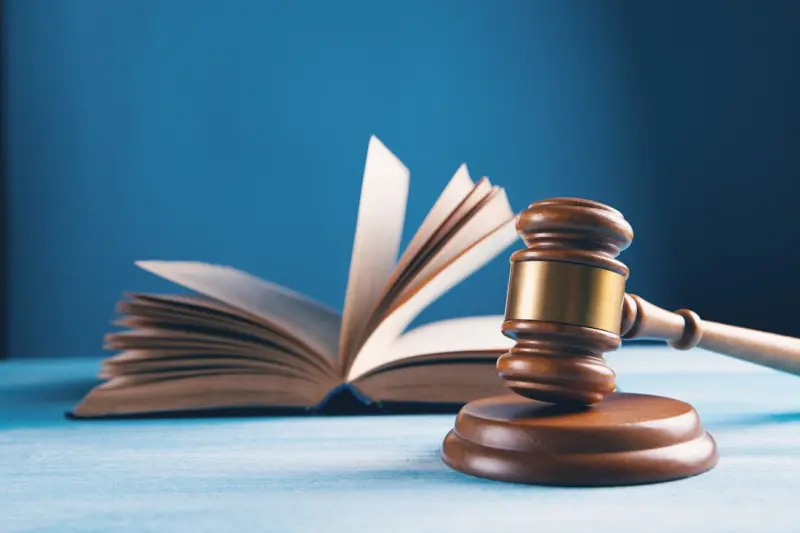
Who Owns the Machine? Copyright in the Age of Generative AI
The explosion of generative AI tools—text‑to‑image models, music‑synthesizers, and code generators—has turned the creative process into a collaborative dance between human intent and algorithmic imagination, forcing courts, legislators, and creators alike to ask whether the resulting works belong to the programmer, the prompt writer, the model’s trainer, or the silent, data‑hungry engine itself. Copyright law, built for a world where a human author left a tangible imprint on paper or canvas, now faces a paradox: the law’s requirement of “originality” clashes with the reality that AI can remix millions of existing works in milliseconds, blurring the line between inspiration and outright duplication. As we watch high‑profile disputes unfold—from the lawsuit over a popular AI‑generated portrait to the debate over synthetic music samples—it becomes clear that the stakes are not merely academic; they dictate who can monetize, license, or even delete a piece of digital art that never truly existed in the traditional sense.
At the heart of the controversy lies the question of authorship, a concept that has long been the cornerstone of copyright eligibility, yet one that becomes nebulous when an algorithm produces a result with minimal human direction beyond a few descriptive words. Courts have traditionally required a “human author” to satisfy the statutory language, but recent decisions hint at a more flexible approach, suggesting that the individual who curates the dataset, fine‑tunes the model, or crafts the prompt may be deemed the “author” for legal purposes, provided they exert sufficient creative control over the output. This evolving jurisprudence forces creators to rethink how they document the creative workflow, to preserve evidence of their contribution, and to consider contractual mechanisms—such as licensing agreements that explicitly allocate ownership—to pre‑empt disputes before they materialize in a courtroom.
Beyond the courtroom, the business world is scrambling to adapt its intellectual property strategies, as startups and established firms alike race to embed AI‑generated assets into branding, product design, and marketing campaigns without triggering infringement claims. Companies must now conduct rigorous “AI‑risk assessments” that scrutinize the training data for copyrighted material, evaluate the likelihood of accidental replication, and implement robust monitoring tools that flag potential infringements in real time. Moreover, the rise of AI‑driven content has spurred a new breed of “AI‑first” trademarks, where logos and slogans are co‑created with algorithms, prompting trademark offices to grapple with questions of distinctiveness and whether a machine‑generated mark can satisfy the “source identifier” requirement under the Lanham Act.
For creators who already rely on traditional IP protections, the advent of generative AI offers both a threat and an opportunity, as the technology can amplify reach while simultaneously diluting the value of a singular, human‑crafted masterpiece. By leveraging AI responsibly—using it as a drafting assistant, a brainstorming partner, or a rapid prototyping tool—artists can produce a greater volume of work, but they must also stay vigilant about the provenance of each piece, ensuring that any underlying data or model does not infringe on third‑party rights. In practice, this means maintaining detailed logs of prompts, model versions, and source datasets, a habit that not only supports future legal defenses but also aligns with emerging best practices advocated by industry bodies. Those who ignore these safeguards risk finding their creations labeled as “derivative” or “unauthorized,” potentially undermining monetization channels and eroding brand integrity.
One practical avenue for mitigating risk lies in adopting subscription brand IP strategies that incorporate AI‑generated assets into a broader, defensible portfolio, thereby spreading liability across multiple layers of protection—trademarks, patents, and trade secrets. By treating the AI model itself as a trade secret, firms can limit public disclosure of the underlying algorithms and training data, creating a legal shield that complements traditional copyright claims on the final outputs. Simultaneously, patenting novel AI‑driven processes—such as a unique method for synthesizing visual styles—can provide an additional moat, deterring competitors from replicating the same workflow and offering a licensing revenue stream that is less vulnerable to the uncertainties of authorship determinations. This dual‑track approach reflects a growing consensus that a flexible, multi‑pronged IP strategy is essential in a landscape where the boundaries between invention, expression, and automation are increasingly porous.
Legislators worldwide are also stepping into the arena, drafting statutes and policy guidance that aim to reconcile the rapid pace of AI innovation with the slower-moving machinery of copyright law. Proposals range from establishing a new “computer‑generated work” category with its own set of rights and obligations, to mandating transparent labeling of AI‑produced content so that downstream users can assess provenance and risk. While these efforts are still in flux, they signal an acknowledgement that the existing framework is ill‑equipped to handle the scale and complexity of AI‑mediated creativity, and that a balanced solution must protect both the incentives for human creators and the public’s access to transformative technologies. Stakeholders are urged to engage in the policy conversation, offering comment letters, participating in public hearings, and collaborating with standards bodies to shape regulations that are both technologically informed and legally sound.
From an ethical standpoint, the conversation extends beyond ownership to encompass the moral rights of artists whose works may have been harvested without consent to train powerful models, a practice that has ignited heated debates about cultural appropriation, exploitation, and the commodification of creative labor. Some jurisdictions already recognize moral rights—such as attribution and integrity—as inalienable, and courts may eventually extend these protections to AI‑generated derivatives, especially when the original creator’s style is unmistakably recognizable. This raises the prospect of “right‑of‑paternity” claims for artists whose signatures appear in algorithmic outputs, compelling AI developers to adopt licensing regimes that compensate original creators or to implement “fair use” safeguards that respect the spirit of artistic contribution while fostering innovation.
Practically speaking, businesses and individual creators can adopt a checklist to navigate the murky waters of AI copyright: (1) verify the licensing terms of the AI model and its training data; (2) document every human decision point—from prompt formulation to post‑processing edits; (3) conduct similarity searches against existing works before commercial release; (4) consider registering the work with the copyright office, noting the role of AI in the application; and (5) craft clear contracts with collaborators that delineate ownership, royalty splits, and dispute resolution mechanisms. By treating AI as a collaborative partner rather than a black box, stakeholders can better align expectations, reduce litigation risk, and harness the technology’s creative potential without compromising legal defensibility. This proactive stance not only safeguards revenue streams but also builds trust with audiences who increasingly demand transparency about the origins of digital content.
Looking ahead, the interplay between AI and copyright is poised to evolve in tandem with advances in model sophistication, data governance, and international harmonization of IP law. As generative systems become capable of producing increasingly indistinguishable works, the legal system may need to shift from a focus on “who created” to a focus on “who controls” and “who benefits,” emphasizing the economic realities of ownership over the romantic notion of sole authorship. In this emerging paradigm, the role of lawyers will transform from gatekeepers of traditional rights to architects of new contractual ecosystems, designing licensing frameworks that balance creativity, commerce, and compliance in a world where the line between human and machine imagination is ever‑blurring.
Ultimately, the question “who owns the machine?” is less about assigning static titles to intangible outputs and more about reimagining the very foundations of intellectual property in a digital age where collaboration transcends flesh and circuitry. By staying informed, documenting meticulously, and engaging with policymakers, creators and businesses can turn uncertainty into opportunity, ensuring that the next wave of AI‑enhanced art enriches the cultural commons while respecting the legal rights that have long protected human ingenuity.

Liam James Professor with a PHD. & content creator with a passion for sparking curiosity and sharing knowledge. Driven by the joy of learning and storytelling, I bring ideas to life in every project. Always exploring, always teaching.
Related Posts
Navigating the IP Minefield of Generative AI: What Creators and Companies Must Know
Generative AI challenges traditional IP concepts, from copyright to patents and trademarks. This art... Read More
Who Really Owns a No‑Code App? Unpacking the IP Puzzle in the Low‑Code Boom
Low‑code platforms empower citizen developers, but they also raise complex IP questions. This guid... Read More
Beyond Patents: Crafting a Modern IP Playbook for Digital Innovators
Explore a fresh IP strategy that blends patents, trade secrets, open‑source licensing, and blockch... Read More
Top Posts
Finding Freedom: Reclaiming Your Narrative After Divorce
A personal guide to turning divorce into a catalyst for self‑discovery, financial empowerment, and a future shaped by your own story....Read More
Semantic SEO for B2B SaaS: Mapping Entities to Drive Authority
Semantic SEO shifts focus from keywords to concepts, helping B2B SaaS brands become authoritative knowledge hubs. This guide outlines entity mapping, topic clus...Read More
Unlocking the SaaS R&D Tax Credit: A Growth Engine for Cloud Innovators
The post explains why SaaS companies should claim the Research & Development tax credit, outlines eligible expenses, common pitfalls, and provides a clear f...Read More
When Ransomware Meets the Criminal Courtroom: A New Legal Battlefield
Ransomware, deepfakes, and crypto‑based extortion are reshaping criminal law. This article examines statutory gaps, law‑enforcement challenges, defense stra...Read More
0 Comments
Post Comment
You will need to Login or Register to comment on this post!