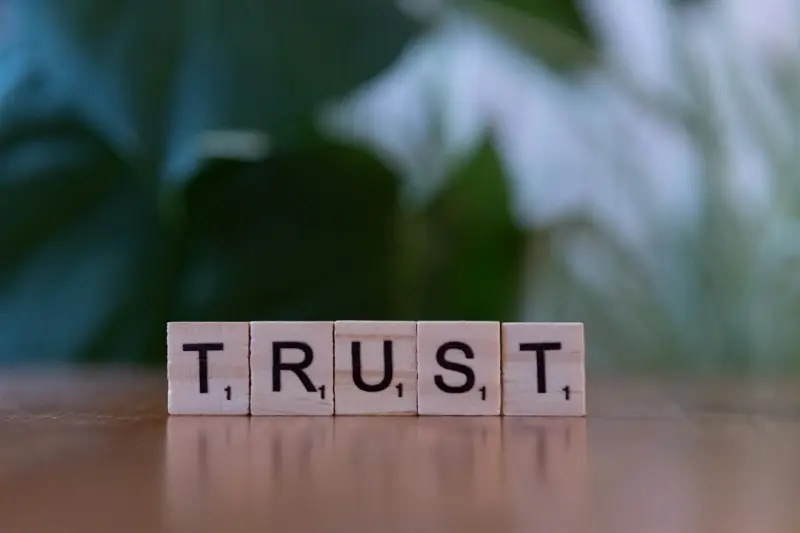
Why Modern Trusts Need a Tech‑Savvy Lawyer
When I first sat down with a client who wanted to protect a collection of vintage guitars, I imagined the classic trust‑and‑estate checklist: real property, cash accounts, and perhaps a few cherished heirlooms. What I didn’t anticipate was a sprawling spreadsheet of cryptocurrency wallets, a handful of domain names, and a family‑owned SaaS platform generating recurring revenue. The lesson was clear: today’s trusts are digital ecosystems, and the attorney who can navigate both the legal and technical terrain is the one who truly safeguards a legacy.
The Evolution of Trusts in a Connected World
Trusts have been around for centuries, originally a tool for aristocrats to keep estates within the family and avoid feudal taxes. Over time, they evolved into flexible vehicles for tax planning, asset protection, and charitable giving. However, the underlying premise—centralizing control over assets for a defined purpose—has remained unchanged.
What has changed is the nature of the assets themselves. A traditional trust might have listed a family farm, a rental property, or a stock portfolio. In 2024, a typical high‑net‑worth individual’s balance sheet includes:
- Cryptocurrencies and NFTs stored on cold wallets.
- Domain names and digital brand assets.
- Equity stakes in private tech startups or SaaS platforms.
- Intellectual property such as software code, patents, and even algorithmic models.
- Data rights, including customer databases and analytics pipelines.
Each of these digital assets brings a set of unique legal challenges—ownership verification, valuation, transfer mechanisms, and regulatory compliance—that the classic trust‑drafting playbook simply does not address.
Common Pitfalls When Drafting Trusts for Digital Assets
Even seasoned practitioners can fall into traps when they treat digital assets as after‑thoughts. Below are the most frequent missteps I see, along with practical solutions.
1. Failing to Identify the Asset Correctly
Many attorneys assume that a cryptocurrency wallet address is sufficient description. In reality, you need to capture:
- Wallet type (hardware, software, custodial).
- Public key, private key storage method, and any multi‑signature arrangements.
- Access credentials and succession plan for key recovery.
Without this level of detail, the trustee may be unable to locate or liquidate the assets, rendering the trust ineffective.
2. Ignoring Valuation Complexities
Unlike publicly traded stocks, many digital assets lack a reliable market price. Valuation must consider:
- Recent transaction data on reputable exchanges.
- Liquidity discounts for assets held on niche platforms.
- Potential regulatory impacts that could swing market values dramatically.
For a deeper dive into valuation challenges in emerging tech, see AI Property Valuation: Legal Risks and Best Practices. Though focused on AI, the principles around uncertainty and market volatility translate directly to crypto and digital collectibles.
3. Overlooking Transfer Mechanisms
Traditional assets pass via deeds, titles, or certificates of ownership. Digital assets require:
- Secure transfer protocols (e.g., signed transaction on a blockchain).
- Pre‑authorized smart contracts that can execute on trigger events like the grantor’s death.
- Clear instructions for custodial services to release assets to the trustee.
Failing to embed these mechanisms can lead to a situation where the trust exists on paper, but the assets remain locked in a digital vault.
4. Neglecting Regulatory and Tax Implications
Regulators are still catching up with the rapid rise of digital assets. Depending on jurisdiction, crypto holdings may be subject to capital gains tax, estate tax, or even new “digital asset” taxes. Additionally, privacy regulations such as GDPR or CCPA can affect how data‑driven assets are transferred.
Staying ahead of these moving targets requires a lawyer who is comfortable reading the latest guidance from the IRS, SEC, and international tax bodies—not just the traditional tax code.
The Role of Digital Assets in Trust Planning
It’s tempting to treat digital assets as a side dish to a traditional trust, but in many modern estates they are the main course. Consider these three scenarios that illustrate why a tech‑savvy approach is indispensable.
Scenario A: A SaaS Founder’s Income Stream
Imagine a founder who sold 30% of his company to a venture fund but retained a revenue‑share agreement that pays monthly royalties. The income is automatically deposited into a corporate bank account, then dispersed via an automated payment processor.
If the founder’s estate plan does not explicitly name the trust as the beneficiary of the revenue‑share, the royalties could fall into intestacy, triggering probate delays and unwanted tax consequences. The solution: draft a rental‑like provision that treats the revenue stream as an income‑producing asset, with clear instructions for the trustee to collect, manage, and reinvest the proceeds.
Scenario B: A Family‑Owned Domain Portfolio
Domain names are often overlooked because they appear “intangible.” Yet a premium .com can be worth millions. The transfer of domain ownership requires updating registrar records, which can be a manual, time‑consuming process.
A forward‑thinking trust will include a Domain Transfer Authorization clause, granting the trustee power to act on behalf of the grantor with the registrar. This avoids the “forgotten domain” nightmare that many families experience after a loved one passes.
Scenario C: A Collection of NFTs and Virtual Real Estate
Non‑fungible tokens (NFTs) have exploded beyond art, encompassing virtual land in metaverses, exclusive club memberships, and even digital identity tokens. These assets are stored on public blockchains, but the underlying value often hinges on platform-specific rules.
To protect NFTs within a trust, you must:
- Document the smart contract address and token ID.
- Include the terms of the platform’s license and any royalty structures.
- Specify how the trustee should handle platform shutdowns or governance changes.
These nuances are far from trivial and demand an attorney who can read blockchain explorer data as fluently as a deed.
Bridging Law and Technology: A Practical Checklist
Below is a concise, actionable checklist I hand to every client who brings digital assets into their estate plan. Think of it as the “trust‑tech” sprint backlog.
- Asset Inventory: List every digital asset with identifiers, access methods, and custodial arrangements.
- Valuation Methodology: Document how each asset is valued, including sources and any discount assumptions.
- Transfer Protocols: Define the exact steps required to move each asset to the trust, including required signatures, smart contract triggers, and third‑party approvals.
- Regulatory Review: Assess tax implications and compliance requirements for each asset class.
- Succession Planning for Keys: Establish a secure, legally enforceable process for sharing or revoking private keys.
- Trustee Selection: Choose a trustee with technical competence or appoint a co‑trustee who can manage the digital side.
- Ongoing Review: Schedule an annual audit to capture new assets, platform changes, and regulatory updates.
Skipping any of these steps can create a “digital blind spot” that erodes the very protection the trust was meant to provide.
Future Trends: What’s on the Horizon for Trusts & Estates Law?
Even as I write this, the legal landscape is being reshaped by three emerging forces that will redefine how we think about trusts.
1. Smart‑Contract‑Based Trusts
Imagine a trust that lives entirely on a blockchain, executing distributions automatically when pre‑defined conditions are met—say, when a beneficiary reaches a certain age or when a market index hits a target. While fully autonomous trusts are still theoretical in most jurisdictions, pilot projects are already underway in jurisdictions with progressive blockchain legislation.
2. Data‑Rights Monetization
Personal data is becoming a tradable commodity. Families are starting to consider data as an asset that can be licensed or sold, creating ongoing income streams. Drafting a trust that includes data‑licensing clauses requires familiarity with privacy law and the commercial terms of data marketplaces.
3. Integration with AI‑Driven Estate Planning Platforms
Artificial intelligence tools are now capable of generating preliminary trust documents based on user inputs. While convenient, these platforms can miss the subtle nuances of digital asset handling. As a lawyer, I view AI as a research assistant, not a replacement for the strategic thinking required to safeguard complex estates.
For a broader view of how AI is intersecting with legal practice, see When Code Becomes Property: Rethinking IP in the Age of AI. The discussion around code ownership mirrors many of the issues we face with digital asset ownership in trusts.
Conclusion: The Trusts & Estates Lawyer as a Digital Steward
Trusts are no longer just paper parcels tucked away in a safe deposit box. They are dynamic, tech‑infused structures that require a steward who can speak both legalese and code. If you’re a grantor with a digital portfolio, or a trustee tasked with managing one, the stakes are high: missteps can lead to loss of value, tax penalties, and family discord.
My advice is simple: treat digital assets with the same rigor you apply to real estate. Conduct a thorough inventory, understand the underlying technology, and embed explicit instructions in the trust document. Partner with a lawyer who stays current on blockchain developments, data‑privacy regulations, and AI advancements. By doing so, you ensure that the legacy you’ve built—whether it’s a portfolio of crypto, a SaaS revenue stream, or a trove of NFTs—passes to the next generation intact and thriving.
In the end, the goal of any trust is to provide peace of mind. In a world where assets can be as intangible as a line of code, that peace of mind comes only from having a tech‑savvy legal partner at the table.

Kris Kennel is a Paralegal outside of Austin, Texas where he spends most of his time helping users with legal matters that concern them. When he is not working he enjoys time with his wife and kids.
Related Posts
Guarding Digital Gold: Trust Strategies for Crypto and NFTs
Modern estate planning must evolve to safeguard digital wealth. This guide explains how to integrate... Read More

Estate Planning for Crypto, NFTs, and Digital Assets
A modern guide to incorporating cryptocurrency, NFTs, and other digital assets into trusts and wills... Read More

Beyond the Will: Crafting Trusts for Digital Legacies and the Modern Family
Traditional wills fall short for today’s digital wealth. Discover how to design a flexible, privac... Read More
Top Posts

Navigating the Legal Labyrinth of Medical Law in 2024: An Insider’s Guide
Allison Jarvis breaks down the 2024 medical law landscape, from telehealth regulations to AI liability, offering actionable advice to keep your practice complia...Read More
When the Commute Becomes a Liability: Rethinking Impaired Driving Policies
Impaired driving is a hidden corporate liability that can spike legal exposure, insurance costs, and brand damage. This article uncovers the financial fallout a...Read More

When Genes Meet the Courtroom: Navigating the Legal Landscape of Direct-to-Consumer Genetic Testing
Direct‑to‑consumer genetic testing promises personalized insights but raises complex legal issues. This article examines informed consent, data privacy, lia...Read More

Turning Divorce Into a Financial Reboot: Strategies for Independent Wealth
A divorce can be a catalyst for financial empowerment. Learn practical steps to assess assets, rebuild credit, optimize taxes, and invest in a prosperous, indep...Read More
0 Comments
Post Comment
You will need to Login or Register to comment on this post!