

Why the “Driver” in Autonomous Vehicles Might Soon Be a Piece of Code
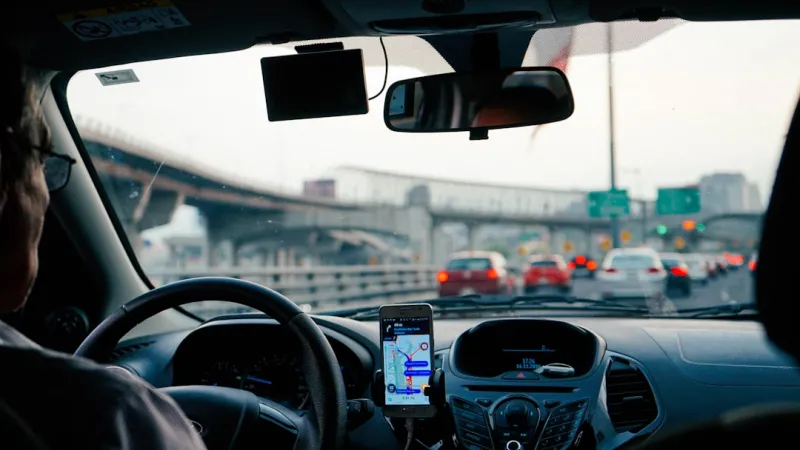
When I first sat behind the wheel of a prototype self‑driving sedan, I felt like a passenger on a roller coaster that I couldn’t control. The thrill of watching the car navigate a busy downtown street without me touching the steering wheel was undeniable, but the legal after‑shock hit me harder than any sudden brake. Who’s actually driving? Who’s responsible when the sensors misinterpret a pedestrian’s intention? These are the questions that are reshaping automotive law faster than any regulation could keep pace.
From “Human Driver” to “Software Agent”: The Shift in Liability Paradigms
Traditional motor vehicle law has always revolved around the driver as the central figure. The driver’s license, negligence standards, and insurance premiums are all predicated on the assumption that a human is behind the wheel, making split‑second decisions. Autonomous technology flips that script.
In a Level 3 or higher system, the vehicle’s software agent can decide when to brake, accelerate, or change lanes. The legal community is scrambling to answer two core questions:
- Who owns the decision? Is it the vehicle owner, the manufacturer, the software developer, or a combination of all three?
- How do we measure fault? The old “reasonable person” standard doesn’t translate neatly to lines of code.
What’s emerging is a hybrid liability model where responsibility is apportioned based on the level of automation and the degree of human oversight. In practice, this means that a driver‑owner who disables a safety feature could be found partially liable, while the OEM could still bear a share of the blame for a systemic software flaw.
Data Transparency: The New “Black Box”
Every autonomous vehicle generates terabytes of data every hour—sensor inputs, decision trees, and even the internal state of the AI. This data trove is the modern “black box.” However, unlike the flight recorders that pilots and investigators can readily access, car manufacturers often treat these logs as proprietary secrets.
For lawyers, the lack of standardized data access creates a massive evidentiary gap. In a courtroom, the side that can present clear, unaltered logs of the vehicle’s decision‑making process will have a distinct advantage. The push for data transparency legislation is gathering momentum, aiming to require manufacturers to provide raw data to regulators and, under certain circumstances, to the parties involved in a crash.
Until such statutes become commonplace, attorneys are forced to rely on expert witnesses who can reverse‑engineer vehicle behavior—a costly and time‑consuming process that often tilts the playing field in favor of well‑funded defendants.
Insurance 2.0: From Personal Policies to Usage‑Based Models
Traditional auto insurance is built on the premise that risk correlates with driver experience, mileage, and vehicle type. Autonomous fleets disrupt that calculus. A fully self‑driving taxi service may have near‑zero driver‑related accidents but could still be vulnerable to software glitches or cyber‑attacks.
Insurers are now experimenting with usage‑based insurance (UBI) that leverages real‑time telemetry to adjust premiums dynamically. For example, a vehicle that spends most of its time in low‑traffic suburban zones may enjoy lower rates than one operating in congested downtown corridors. Moreover, some carriers are offering “software liability” add‑ons that specifically cover losses stemming from AI decision errors.
Legal professionals must navigate this new patchwork of policies, ensuring that clients understand the fine print. A common pitfall is the assumption that an autonomous car’s “lower risk” automatically translates to cheaper coverage. In reality, the coverage scope, exclusions, and claim processes can differ dramatically from conventional policies.
Cybersecurity: The Overlooked Threat Vector
When a car is connected to the internet, it becomes a potential entry point for hackers. Remote code execution attacks, as demonstrated in high‑profile research labs, can seize control of braking systems, steering, or even infotainment displays. The legal ramifications of a cyber‑induced crash are still being defined.
Current statutes, such as the Uniform Vehicle Code, are vague about cybersecurity obligations. However, the When Drones Deliver article highlighted how regulators are beginning to apply existing aviation cyber standards to aerial delivery vehicles. A similar trend is expected in automotive law: regulators may soon require manufacturers to meet rigorous cybersecurity benchmarks, and failure to do so could constitute negligence.
For practitioners, this means advising clients on both compliance and risk mitigation. Contractual provisions that allocate cybersecurity responsibilities between OEMs, software providers, and fleet operators are becoming essential components of service agreements.
The Role of AI‑powered claims adjusters in the Autonomous Era
Just as AI is steering the vehicles, it’s also steering the claims process. Insurers are deploying machine‑learning models to evaluate crash reports, estimate damages, and even determine liability. While these systems promise speed and consistency, they also raise new questions about due process.
If an AI adjuster denies a claim based on a misinterpreted sensor log, who can the claimant hold accountable? The insurer? The AI vendor? The underlying data provider? The answer will likely hinge on contractual language and the regulatory framework governing algorithmic transparency. In many jurisdictions, the “black box” problem reappears—if the AI’s decision‑making process cannot be audited, it becomes difficult to challenge the outcome.
Legal counsel must therefore scrutinize any AI‑driven claims workflow, ensuring that there are clear escalation paths to human review and that the underlying data sources are reliable and defensible.
Regulatory Patchwork: From Federal Guidance to State‑Level Experiments
In the United States, the National Highway Traffic Safety Administration (NHTSA) released the Federal Automated Vehicles Policy, which provides a voluntary framework for manufacturers. However, several states—California, Arizona, and Michigan—have enacted their own, sometimes conflicting, rules regarding testing, deployment, and liability.
This mosaic creates a compliance nightmare for manufacturers operating across state lines. For example, a company that allows its autonomous fleet to operate in California must adhere to the state’s stringent “disengagement reporting” requirements, while the same fleet in another state may face looser standards.
Lawyers must help clients develop a “regulatory map” that aligns operational strategies with the most restrictive jurisdictional requirements, thereby avoiding costly recalls or legal challenges.
Consumer Protection: The Rise of “Software Warranty” Claims
Traditional auto warranties cover mechanical failures and defects. As software becomes the heart of the vehicle, consumers are increasingly filing “software warranty” claims when over‑the‑air (OTA) updates cause unintended behavior—think sudden acceleration or loss of Bluetooth connectivity.
Courts are beginning to treat these software glitches as product defects, invoking the same consumer protection statutes that apply to faulty airbags or brakes. However, the line between a “defect” and a “feature update” can be blurry. A manufacturer might argue that a change was an improvement, not a defect, while a consumer may claim that the update reduced the vehicle’s safety.
From a legal perspective, the key lies in the disclosure obligations at the time of sale. Clear, understandable language about OTA update policies and the potential for temporary performance changes can mitigate liability.
Future Outlook: The Convergence of Mobility Services and Law
The automotive landscape is evolving beyond private ownership to a model dominated by mobility‑as‑a‑service (MaaS) platforms. Ride‑hailing, car‑sharing, and subscription services all rely heavily on autonomous technology. This convergence raises novel legal issues:
- Contractual layering: Users sign service agreements with the platform, while the platform has its own agreements with manufacturers and software vendors.
- Data ownership: Who owns the trip data collected by the vehicle— the rider, the platform, or the OEM?
- Regulatory compliance: MaaS providers must navigate transportation licensing, consumer protection, and emerging autonomous vehicle standards simultaneously.
In short, the lawyer of tomorrow will need a multidisciplinary toolkit—combining traditional tort law, cybersecurity expertise, data privacy knowledge, and a keen understanding of emerging insurance models.
Practical Takeaways for Stakeholders
Whether you’re a fleet operator, an OEM, an insurer, or a consumer, the following steps can help you stay ahead of the legal curve:
- Audit your data policies: Ensure that vehicle logs are stored securely and that you have a clear process for providing them in the event of a claim or investigation.
- Review contracts for AI and software clauses: Include explicit language about liability for software errors, OTA updates, and cyber incidents.
- Engage with regulators early: Participate in pilot programs and provide feedback on proposed standards to shape a more predictable regulatory environment.
- Invest in cyber hygiene: Conduct regular penetration testing and adopt industry‑standard encryption for vehicle‑to‑cloud communications.
- Educate consumers: Transparent communication about how autonomous features work, their limitations, and the process for reporting issues can reduce litigation risk.
Autonomous vehicles are not a distant future—they’re already on our streets, reshaping how we think about driving, ownership, and responsibility. By proactively addressing the legal challenges today, we can ensure that the transition to driverless mobility is not only innovative but also just and equitable.

Liam James Professor with a PHD. & content creator with a passion for sparking curiosity and sharing knowledge. Driven by the joy of learning and storytelling, I bring ideas to life in every project. Always exploring, always teaching.
Related Posts

The Intersection of Automotive Law and Technology: Emerging Trends and Challenges
The automotive industry is undergoing a significant transformation. Learn about the emerging trends ... Read More
What Every Driver Needs to Know About the Latest Automotive Law Shifts
A deep dive into the evolving world of automotive law, covering electric vehicle incentives, autonom... Read More

Navigating the Fast‑Lane of Automotive Law in 2026: Tech, Liability, and Consumer Rights
In 2026, automotive law is being reshaped by AI, autonomous vehicles, and climate‑driven insurance... Read More
Top Posts

Employee Data Rights in the Age of Workplace Surveillance
A deep dive into emerging privacy statutes, practical compliance steps, and future trends that define how companies can responsibly monitor employees while resp...Read More

Privacy by Design: Legal Must‑Haves for SaaS Leaders
A deep dive into how SaaS companies can turn privacy from a compliance hurdle into a strategic advantage by adopting privacy‑by‑design principles, navigatin...Read More

The Legal Roadmap for Over‑the‑Air Vehicle Updates
Over‑the‑air updates are transforming vehicles into software platforms, raising new regulatory, contractual, and liability challenges. This article outlines...Read More

The Shifting Landscape of Marriage Law: A Comprehensive Analysis
The institution of marriage is evolving. Learn about the trends, challenges, and opportunities shaping the future of marriage law and its impact on couples and ...Read More
0 Comments
Post Comment
You will need to Login or Register to comment on this post!