
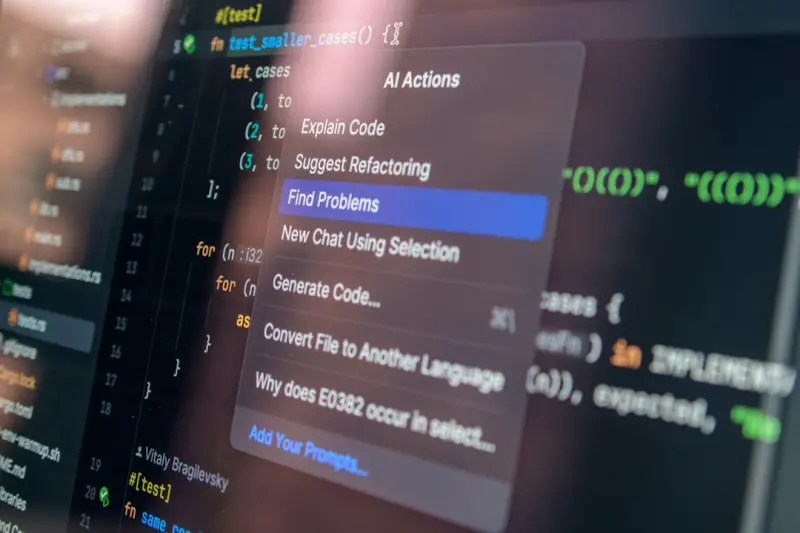
Why the Rise of AI‑Generated Code Calls for a New IP Playbook
When I first walked into a courtroom and heard a judge ask, “Who owns the code that a machine wrote?” I realized we were standing at the edge of a legal frontier that no textbook could have anticipated. As a technology‑focused IP attorney, I’ve spent the last decade helping SaaS founders protect their inventions, brands, and content. But the surge of generative AI tools—large language models that can draft entire codebases in seconds—has forced us to rethink the fundamentals of copyright, patents, and trade secrets.
From Human Authorship to Machine Authorship
Traditional copyright law is built on the premise that a “human author” creates an original work. The U.S. Copyright Office has explicitly stated that works generated solely by a machine are not eligible for protection. That sounds simple, but the reality is messier. Most AI‑generated code is the result of a collaborative process: a developer provides prompts, selects outputs, and integrates the snippets into a larger system. The question becomes—where does the developer’s contribution end and the machine’s begin?
In practice, courts have been reluctant to award full authorship to a human when the AI does the heavy lifting. The “modest contribution” standard often applies: if a developer’s input is merely a set of instructions without any creative expression, the resulting code may be deemed a “non‑authorial” work. This leaves SaaS companies vulnerable, because without copyright protection, competitors can copy the AI‑generated modules wholesale.
Patents: Protecting the Underlying Algorithms
Patents, unlike copyrights, protect functional inventions. If your SaaS product relies on a novel algorithm that powers an AI model, you can pursue a patent—provided you meet the statutory requirements of novelty, non‑obviousness, and adequate written description. However, the rapid iteration cycles of AI development make it challenging to file a timely patent before the invention becomes public domain.
One strategy I recommend to startups is to file provisional patents early, capturing the core inventive concept before you have a working prototype. Later, you can flesh out the claims to cover specific implementations, such as the data preprocessing pipeline or the model’s unique architecture. Keep in mind that the America Invents Act has tightened the “best mode” requirement for software patents, so be thorough in your disclosure.
Trade Secrets: The Silent Shield
Not every piece of code needs to be patented. In many cases, treating AI‑generated modules as trade secrets offers a pragmatic alternative. Trade secret law protects information that derives economic value from not being generally known and for which reasonable measures are taken to maintain secrecy. For SaaS firms, this means implementing strict access controls, encryption, and employee NDA policies.
But trade secrets are a double‑edged sword. Once a secret leaks—whether through a breach, a former employee, or reverse engineering—the protection evaporates. Moreover, the line between a trade secret and a patentable invention can be blurry. When deciding between the two, consider the lifespan of the technology: patents grant a finite monopoly (usually 20 years), whereas trade secret protection can last indefinitely—if you can keep it secret.
Licensing AI‑Generated Code: A Pragmatic Approach
Many SaaS companies rely on open‑source libraries that incorporate AI‑generated components. Understanding the license terms is essential to avoid inadvertent infringement. For instance, the Apache 2.0 license permits commercial use but requires preservation of notices, whereas the GPL imposes “copyleft” obligations that may force you to open source your entire codebase.
When you incorporate AI‑generated snippets from third‑party platforms (think Copilot or GPT‑4), treat the output as a derivative work of the underlying model. Some providers grant you a perpetual, royalty‑free license for commercial use; others impose restrictions. Always review the service agreement, and when in doubt, consult an IP attorney to draft an internal policy that delineates permissible use cases.
Practical Steps for SaaS Founders
- Document Prompt Engineering. Keep a detailed log of the prompts you use, the outputs generated, and your subsequent modifications. This evidence can be crucial if you need to prove human authorship.
- Audit Your Dependencies. Conduct a regular review of all third‑party AI tools and open‑source components. Identify which licenses apply and ensure compliance.
- Consider Dual Protection. For core algorithms, pursue provisional patents while also maintaining trade secret protocols. This layered approach gives you flexibility as the market evolves.
- Update Employment Agreements. Include clear IP assignment clauses that cover AI‑generated work, and reinforce confidentiality obligations.
- Monitor the Regulatory Landscape. As governments grapple with AI policy, new statutes may emerge that redefine ownership. Staying informed helps you pivot quickly.
Case Study: A SaaS Startup’s Journey
Let’s walk through a hypothetical yet realistic scenario. A fledgling SaaS firm, DataPulse, built an analytics platform that leverages a custom AI model to generate SQL queries from natural language. The development team used a large language model to draft initial code snippets for the query‑generation engine.
DataPulse initially assumed the code was automatically theirs because their engineers refined it heavily. However, when a competitor released a similar feature, DataPulse faced a potential infringement claim from the AI provider, which argued that the code was a derivative work of its model.
By having maintained a thorough prompt log and version‑controlled modifications, DataPulse was able to demonstrate that the final product contained substantial human creative input. The company also filed a provisional patent covering the unique method of mapping natural language to optimized SQL, and they instituted strict access controls to protect the model’s training data as a trade secret.
Ultimately, DataPulse negotiated a licensing amendment with the AI provider, securing a broader commercial use license and avoiding costly litigation. Their experience underscores the importance of proactive IP strategy in the AI era.
Connecting the Dots: Why SaaS Risk Management Matters
Intellectual property is only one piece of the larger risk puzzle for SaaS companies. As you design your IP safeguards, remember to align them with your overall compliance and operational risk framework. For example, the same robust documentation practices that protect your code can also serve as evidence in SaaS platform risk management scenarios, where you must demonstrate due diligence in system monitoring.
Similarly, understanding the tax implications of licensing revenue streams is crucial. If you monetize a patented AI algorithm, you’ll need to navigate complex state nexus rules to stay compliant, a topic explored in depth in our guide on state nexus compliance for SaaS. Integrating IP strategy with tax planning ensures you maximize profit while minimizing exposure.
The Road Ahead: Anticipating Legislative Shifts
Legislators worldwide are beginning to address AI‑generated works. In some jurisdictions, proposals are underway to grant limited copyright to “human‑machine collaborations,” effectively creating a new category of co‑authorship. Others are considering a “data‑ownership” model that would give rights to the creators of the datasets that train AI models.
While these proposals are still in flux, they signal a future where the binary distinction between human and machine authorship may dissolve. For now, the safest path is to build a resilient, multi‑layered IP strategy that can adapt to whatever legal reforms emerge.
Final Thoughts
AI‑generated code is a powerful catalyst for innovation, but it also introduces uncertainty into the traditional IP framework. By documenting your development process, securing patents where feasible, protecting trade secrets, and staying vigilant about licensing, SaaS founders can turn this uncertainty into a competitive advantage.
If you’re navigating these waters, don’t go it alone. A seasoned IP attorney can help you map out a strategy that aligns with your product roadmap, business model, and long‑term vision. In the end, the goal is simple: ensure that the brilliance of your AI‑augmented creations remains under your control, and that you can reap the rewards of your ingenuity for years to come.

Allison Jarvis is a dynamic digital media and marketing professional dedicated to driving brand growth through impactful storytelling. With a sharp eye for market trends and a passion for data-driven strategies, she specializes in building cohesive online identities that resonate with modern audiences. Allison blends creative content production with robust analytics to maximize engagement and deliver measurable ROI. She continuously explores emerging digital tools to keep her projects ahead of the curve.
Related Posts

Guarding the Future: IP Strategies for AI‑Powered SaaS Companies
A deep dive into the IP challenges facing modern SaaS businesses—from AI‑generated inventions an... Read More

From Canvas to Code: Protecting Creative Works in the Age of Generative AI
Generative AI is redefining how art, music, and copy are made, but the law still demands human autho... Read More
AI‑Generated Works and the Copyright Conundrum: What Every Innovator Needs to Know
This article examines the complex IP challenges posed by AI‑generated content, from authorship que... Read More
Top Posts

The Evolution of Search Engine Optimization: Trends and Insights
SEO is a dynamic and challenging field that requires businesses to stay ahead of the curve. Learn about the latest SEO trends and insights to optimize your onli...Read More

Navigating the Complex World of Child Custody: A Comprehensive Guide
Child custody disputes can be emotionally charged and complex. Learn how to navigate the challenging world of family law with our comprehensive guide....Read More

Grandparents' Legal Voice: Protecting Rights in Modern Multigenerational Families
Grandparents are now central caregivers in many families, yet the law often lags behind. This post uncovers practical steps, recent legal trends, and future ref...Read More

When Likes Turn Litigable: Social Media’s Impact on Personal Injury Cases
Social media can make or break a personal injury claim. Discover why every post, like, and comment matters and how to safeguard your case....Read More
0 Comments
Post Comment
You will need to Login or Register to comment on this post!