
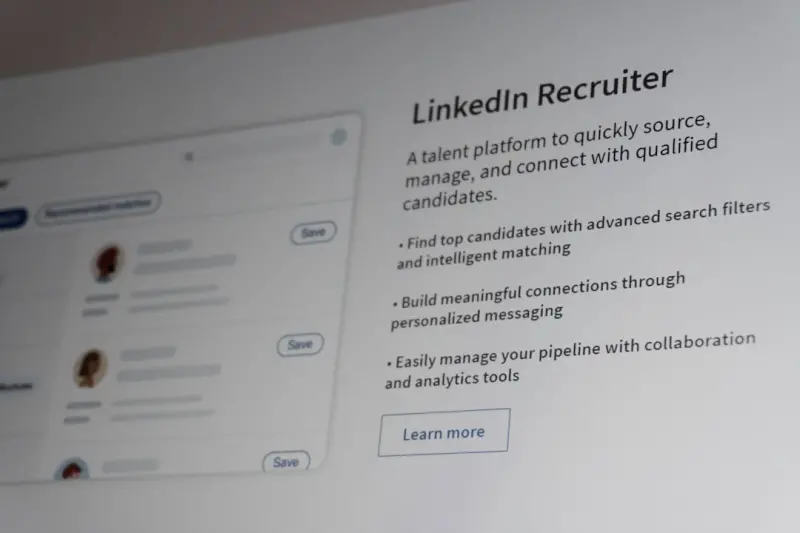
When I first started drafting this piece, I asked myself: “What’s the newest legal landmine that keeps HR teams up at night?” The answer, unsurprisingly, is the rise of AI‑powered hiring platforms. From résumé‑screening bots that promise to “cut bias” to predictive analytics that forecast a candidate’s future performance, algorithms have sprinted from novelty to necessity. Yet, as every employment lawyer will tell you, when technology races ahead, the law scrambles to keep up.
The Allure of Algorithmic Recruitment
Employers love AI hiring tools for three main reasons:
- Speed. What used to take weeks can now be done in minutes, freeing recruiters to focus on “human” interactions.
- Scale. Companies can process thousands of applications without expanding their talent acquisition teams.
- Data‑driven decisions. Predictive models claim to identify high‑performers before they even walk through the door.
But every promise carries a hidden cost. When an algorithm silently filters out a swath of applicants, the question isn’t just “Did we hire the best talent?” but “Did we violate any employment statutes?”
Bias Isn’t Just a Moral Issue—It’s a Legal Minefield
In the United States, the Title VII of the Civil Rights Act, the Age Discrimination in Employment Act, and the Americans with Disabilities Act all prohibit disparate treatment based on protected characteristics. While the intent behind AI tools is often to eliminate human prejudice, the data they learn from can embed historical biases.
Courts have begun to recognize algorithmic bias as a form of discrimination. A landmark case (though not yet a Supreme Court decision) held that an employer could be liable if its hiring software systematically screened out older applicants, even if the employer had no direct involvement in programming the algorithm.
What does this mean for HR leaders?
- Audit your data. Ensure training datasets are diverse and free from legacy discrimination.
- Document your processes. Keep a clear record of how the AI makes decisions—this is crucial if you face an EEOC investigation.
- Regularly test outcomes. Conduct statistical analyses to spot disparate impact before it becomes a lawsuit.
Transparency & the “Explainability” Mandate
Beyond bias, regulators worldwide are demanding greater transparency. The European Union’s AI Act (still under negotiation) explicitly requires “high‑risk” AI systems—like those used in hiring—to provide “meaningful information” about their functioning to affected individuals.
In practice, this translates to:
- Providing candidates with a clear notice that an automated system was used.
- Offering an explanation of the factors that led to a particular decision (e.g., “Your lack of experience with X technology contributed to the outcome”).
- Giving candidates the opportunity to contest or request a human review.
Failure to comply can trigger hefty fines under GDPR, as well as potential claims for procedural unfairness under local employment statutes.
Data Privacy: More Than Just a Buzzword
AI hiring platforms collect a trove of personal data—résumés, video interviews, psychometric test results, and even social‑media activity. This data falls squarely under privacy regimes such as the GDPR, CCPA, and emerging state‑level privacy laws in the U.S.
Key obligations include:
- Lawful basis for processing. Consent is often insufficient for employment decisions; legitimate interest must be demonstrably balanced against employee rights.
- Data minimization. Only collect data necessary for the specific hiring purpose.
- Retention limits. Personal data should not be stored longer than needed—typically 12 months after the recruitment cycle ends.
Non‑compliance can result in class‑action lawsuits, regulatory penalties, and severe reputational damage.
Cross‑Border Hiring: The Jurisdictional Jigsaw
As remote work expands, companies are hiring talent across borders, often using the same AI platform for all candidates. Each jurisdiction may have its own rules on algorithmic decision‑making, data protection, and anti‑discrimination.
For instance, Canada’s Employment Equity Act imposes specific reporting requirements for federally regulated employers, while Australia’s Fair Work Act emphasizes “good faith” in recruitment. If your AI tool doesn’t adapt to these nuances, you could inadvertently breach local statutes.
A practical approach is to segment your AI pipelines by region, ensuring that each complies with the relevant legal framework. When in doubt, consult local counsel before rolling out a universal solution.
When AI Meets Contractor Classification
One often‑overlooked intersection is the use of AI to vet and classify workers as either employees or independent contractors. Misclassification can lead to back‑pay, tax penalties, and liability under labor statutes.
Our contractor classification guide outlines the traditional “right‑to‑control” test, but AI tools can complicate matters. If an algorithm assigns a worker a “contractor” label based on gig‑economy heuristics, you must still evaluate the substantive relationship against local legal standards.
Mitigation Strategies: Building a Legally Sound AI Hiring Framework
Below is a step‑by‑step playbook for HR and legal teams aiming to stay ahead of the regulatory curve:
- Perform a Legal Impact Assessment. Before adopting any AI vendor, map out the applicable statutes in each jurisdiction where you recruit.
- Choose Transparent Vendors. Opt for platforms that offer model interpretability and audit logs.
- Implement Human‑in‑the‑Loop (HITL) Controls. Ensure a qualified recruiter reviews every AI‑generated decision before finalizing offers or rejections.
- Establish an Ongoing Bias‑Testing Protocol. Use statistical techniques like the 4/5ths rule to detect adverse impact quarterly.
- Draft Clear Candidate Notices. Explain the role of AI in the hiring process, the data collected, and the candidate’s right to contest decisions.
- Train Your Team. Legal and recruiting staff should understand both the technical and regulatory aspects of AI tools.
- Document Everything. Maintain detailed records of model versions, data sources, and mitigation steps taken.
Learning from the Surveillance Era
While AI hiring is a fresh frontier, we’ve already seen how employee surveillance raised similar concerns about privacy, consent, and bias. The lessons are clear: technology that monitors or evaluates workers must be paired with robust governance, clear policies, and a culture of accountability.
Inclusive Hiring: Beyond the Algorithm
AI tools can be powerful allies for diversity, but they’re not a silver bullet. Our earlier deep‑dive into inclusive hiring highlighted the importance of designing job descriptions that are accessible and removing unnecessary barriers. Pair algorithmic screening with intentional outreach programs, mentorship, and flexible interview formats to truly broaden your talent pool.
Future Outlook: The Regulatory Horizon
Governments are moving quickly. In the U.S., several states—Illinois, New York, and Washington—are drafting or have enacted legislation that specifically addresses AI in hiring. The Artificial Intelligence Employment Act in Illinois, for example, would require employers to disclose any AI‑driven decision‑making and obtain explicit consent.
Internationally, the OECD’s AI Principles emphasize “human‑centred values” and “accountability,” influencing national policies across Europe, Asia, and Latin America. Companies that adopt a proactive, compliance‑first mindset will not only avoid fines but also attract talent that values ethical technology.
Conclusion: Balancing Innovation with Responsibility
Algorithmic hiring offers undeniable efficiencies, but the legal stakes are high. By embedding transparency, bias mitigation, and data‑privacy safeguards into your recruitment stack, you can harness AI’s power without stumbling into discrimination claims or regulatory penalties.
Remember, technology is a tool—not a substitute for thoughtful, lawful decision‑making. As you integrate AI into your talent acquisition strategy, keep your legal counsel close, stay vigilant about emerging statutes, and always prioritize the human element behind every data point.

Liam James Professor with a PHD. & content creator with a passion for sparking curiosity and sharing knowledge. Driven by the joy of learning and storytelling, I bring ideas to life in every project. Always exploring, always teaching.
Related Posts

When Algorithms Judge: Navigating AI in Employee Performance Reviews
AI-driven performance tools promise objectivity, but they raise privacy, discrimination, and contrac... Read More

Workplace Privacy and Drug Testing: Understanding the Delicate Balance
The modern workplace is a complex environment where employers strive to maintain a productive and sa... Read More

Why Mental‑Health Obligations Are the Next Frontier in Employment Law
Employers now face a legal duty to protect employees’ mental well‑being. This post breaks down e... Read More
Top Posts

The High‑Stakes Dance of Live Feature Flagging
Feature flags enable rapid innovation, but they also introduce a dangerous operation that can cause technical failures, data loss, and legal exposure. This post...Read More

Divorce in the Digital Age: How Tech, Data, and Remote Work Are Redefining the Split
A deep dive into how technology—from crypto wallets to virtual hearings—has transformed divorce, offering actionable tips for navigating digital assets, rem...Read More

Unlocking the QBI Deduction: A Real‑Estate Investor’s Guide to Maximizing Tax Savings
Learn to harness the 20% QBI deduction for rental properties, avoid common errors, and future‑proof your tax strategy with actionable steps....Read More

Decoding Bad‑Faith Claims in the Age of Cyber Insurance
A deep dive into the rise of bad‑faith litigation in cyber insurance, highlighting regulatory shifts, emerging tech impacts, and strategies to secure robust c...Read More
0 Comments
Post Comment
You will need to Login or Register to comment on this post!