

Why Impaired Driving Still Feels Personal
When I first witnessed a friend stumble out of a bar at midnight, the air thick with regret and the faint glow of streetlights, I realized that impaired driving isn’t just a statistic—it’s a living, breathing tragedy that can touch any of us in the most unexpected ways. The lingering smell of spilled beer and the echo of a distant siren reminded me that every careless decision behind the wheel ripples far beyond the driver, affecting families, neighborhoods, and the fragile sense of safety we all rely on. Understanding the human cost forces us to move past abstract numbers and confront the raw emotions that fuel our collective desire for change.
Even though nationwide reports claim a gradual decline in alcohol‑related crashes, the underlying patterns reveal stubborn pockets where cultural norms still celebrate late‑night drinking as a rite of passage, especially in tight‑knit communities where “just one drink” is a badge of camaraderie. The paradox lies in the fact that while awareness campaigns flood our feeds, the underlying attitudes often remain untouched, allowing a dangerous disconnect between knowledge and action. It’s this gap that I aim to bridge by sharing stories that cut through the noise and compel us to re‑examine our own habits.
Technology’s Double‑Edged Sword
Modern vehicles are now equipped with sophisticated sensors that can detect erratic steering, inconsistent lane changes, and even the subtle tremor of a driver’s hands, promising a future where a car could intervene before a tragedy unfolds. Yet, the promise of connected car privacy concerns also raises questions about data ownership and how that information might be used in courtrooms or insurance claims. As we celebrate these advances, we must also safeguard the rights of drivers who could be unfairly targeted by algorithms that lack context.
Beyond built‑in safety nets, emerging smartphone apps now offer real‑time sobriety checks, leveraging breathalyzer attachments and AI‑driven facial analysis to alert users before they even start the engine. While these tools empower individuals to make smarter choices, they also expose a new frontier of legal gray areas: who is liable if an app fails, and how do we ensure that the data collected isn’t weaponized against vulnerable populations? The balance between innovation and accountability will define the next chapter of impaired‑driving prevention.
Legal and Insurance Realities
The courtroom repercussions of a DUI have evolved dramatically, extending far beyond fines and license suspensions to encompass long‑term civil liabilities that can cripple a driver’s financial future. When an impaired driver causes an accident, the resulting lawsuits often invoke complex insurance doctrines, prompting victims to navigate the tangled web of coverage limits, subrogation, and punitive damages. A deeper dive into the insurance landscape for impaired drivers reveals that many policies now include mandatory “reckless driving” endorsements, dramatically inflating premiums for those already struggling with addiction.
Moreover, the rise of “zero‑tolerance” statutes in certain jurisdictions has led to mandatory ignition interlock installations, effectively turning a driver’s own vehicle into a monitoring device. While these measures aim to deter repeat offenses, critics argue that they can disproportionately burden low‑income individuals who lack the resources to comply, creating a cycle of debt and criminalization. A nuanced approach that couples enforcement with accessible treatment options could reshape how the law treats impaired drivers, shifting the focus from punishment to rehabilitation.
Restorative Paths and Community Action
Restorative justice programs are gaining traction as an alternative to conventional sentencing, offering offenders the chance to confront the real‑world impact of their actions through victim‑officer dialogues, community service, and structured counseling. By fostering empathy and accountability, these initiatives have demonstrated lower recidivism rates compared to traditional punitive models, suggesting that healing the community can be as effective as imposing harsh penalties. When participants share their stories in a safe space, they often discover underlying issues—such as untreated mental health conditions or chronic stress—that contributed to their impaired decisions.
Social media, once a mere backdrop to daily life, now plays a pivotal role in both exposing and deterring impaired driving, as evidenced by the growing number of viral posts that capture reckless behavior in real time. Platforms can serve as powerful witnesses, turning a night of poor judgment into undeniable public evidence, a phenomenon explored in depth in the article social media evidence in DUI cases. Leveraging this visibility, communities can launch targeted awareness campaigns that not only shame dangerous conduct but also highlight available support resources, turning digital outrage into constructive action.
Ultimately, tackling impaired driving demands a multi‑layered strategy that blends technology, law, community empathy, and personal responsibility. By sharing my own reflections and amplifying the voices of those affected, I hope to spark a conversation that moves beyond fleeting headlines and inspires lasting change. If we each commit to questioning our choices, supporting innovative solutions, and advocating for fair policies, we can pave the way toward roads that are safer for everyone.

Allison Jarvis is a dynamic digital media and marketing professional dedicated to driving brand growth through impactful storytelling. With a sharp eye for market trends and a passion for data-driven strategies, she specializes in building cohesive online identities that resonate with modern audiences. Allison blends creative content production with robust analytics to maximize engagement and deliver measurable ROI. She continuously explores emerging digital tools to keep her projects ahead of the curve.
Related Posts

Beyond the Breathalyzer: How Biometric Tech Is Redefining Impaired Driving Prevention
Biometric monitoring offers a proactive alternative to traditional breathalyzers, prompting new lega... Read More

Corporate Mobility Meets Impaired Driving: A Risk Management Playbook
A comprehensive guide for executives on preventing impaired‑driving incidents in corporate fleets,... Read More

Beyond the Breathalyzer: Leveraging Tech and Community to End Impaired Driving
A deep dive into how emerging technologies, data-driven policies, and grassroots initiatives can res... Read More
Top Posts

The Untapped Power of Intent‑Driven Topic Clusters for B2B SaaS Growth
Learn why aligning content with user intent through strategic topic clusters is the game‑changing SEO tactic B2B SaaS marketers need, complete with a 30‑day...Read More

Conversational Search: Redefining SEO for the AI‑First Era
Discover why traditional keyword focus is fading as AI-powered conversational search dominates, and get practical steps to adapt your SEO strategy for the new e...Read More

When Courts Become Climate Guardians: The Surge of Environmental Litigation
A deep dive into the rise of climate litigation, examining key legal theories, strategic tactics for plaintiffs and defendants, and emerging trends that positio...Read More
The SEO Playbook That’s Redefining Rankings
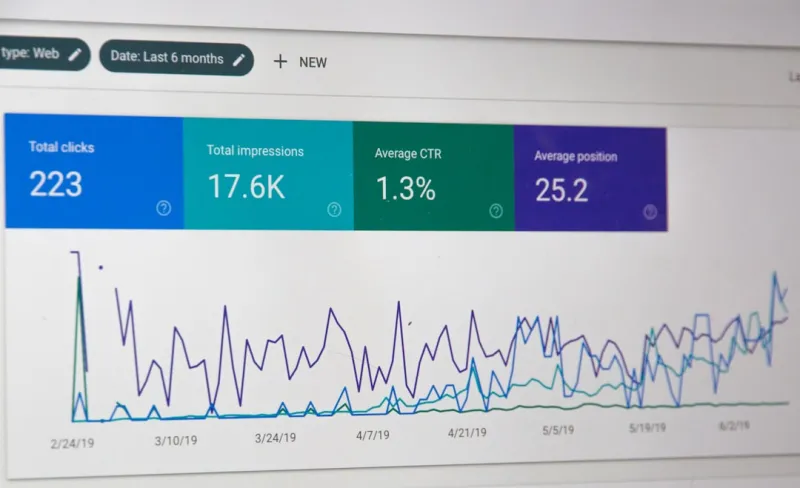
Explore a modern SEO playbook that blends analytics, storytelling, and technical excellence to boost rankings, authority, and real‑world ROI....Read More
0 Comments
Post Comment
You will need to Login or Register to comment on this post!