

Why the Traditional Auto‑Law Playbook No Longer Fits
When I first stepped into the world of automotive law, the conversation revolved around mechanical failures, recall notices, and the occasional “who‑was‑at‑fault” crash dispute. Today, that script is being rewritten by lines of code, battery packs, and a constant stream of data flowing from every vehicle on the road. The legal landscape is catching up, and firms that cling to old precedents risk being left in the dust while their clients navigate an ever‑evolving regulatory maze.
The Rise of Autonomous Fleets: A Liability Labyrinth
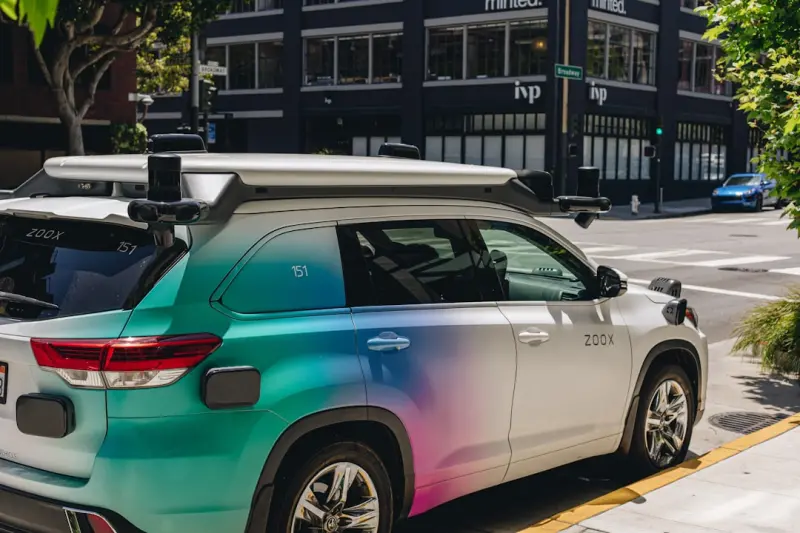
Autonomous vehicles (AVs) aren’t just a futuristic fantasy; they’re already operating in commercial settings—think ride‑hailing bots, last‑mile delivery drones, and warehouse shuttles. With machines making split‑second decisions, the question “who is liable?” becomes a moving target. Is it the vehicle owner, the software developer, the data provider, or the manufacturer of the sensor suite? Each party carries a slice of responsibility, and courts are still defining how those slices fit together.
One emerging trend is the push toward usage‑based insurance models that tie premiums directly to real‑time driving data. While this approach promises fairness—paying only for the miles you actually drive—it also opens a new front in liability disputes. If a self‑driving car logs a “near‑miss” that never materialized into an accident, can an insurer deny a claim based on that data? The answer, for now, varies by jurisdiction, but the underlying principle is clear: data is becoming the new evidence.
Electric Vehicle Batteries: From Warranty Wars to Environmental Compliance
Electric vehicles (EVs) bring a different set of legal challenges, especially around battery health and lifecycle management. Warranty disputes are no longer about a failing transmission; they’re about degradation curves, thermal runaway risks, and the right to a replacement under a “capacity guarantee.” Moreover, regulators are tightening rules on battery recycling, demanding that manufacturers track the provenance of critical minerals and ensure responsible disposal.
Companies must now consider two parallel tracks:
- Consumer protections. Buyers expect transparent information about battery lifespan, charging limits, and the impact of extreme temperatures.
- Environmental obligations. The EU’s Battery Directive and similar frameworks in the U.S. require detailed reporting on the sourcing and end‑of‑life handling of battery components.
Failure to comply can trigger class actions, fines, or even bans on future sales.
Data Privacy Meets the Connected Car
Connected cars are essentially rolling data centers, collecting location, speed, biometric, and even in‑cabin conversation data. The General Data Protection Regulation (GDPR) in Europe, the California Consumer Privacy Act (CCPA), and emerging statutes in Canada and Brazil are all demanding stricter consent mechanisms and data minimization practices.
Legal teams must advise their clients on:
- Obtaining clear, opt‑in consent for each data category.
- Implementing “privacy by design” in vehicle software.
- Establishing robust breach response plans that address both cyber and physical safety implications.
In practice, this means drafting layered privacy notices that are understandable to drivers while satisfying regulators—a balancing act that often feels like writing a novel in legalese.
Cybersecurity: The New Frontier of Auto Liability
Every software update is a double‑edged sword. While it can patch vulnerabilities, it also introduces new attack vectors. Recent high‑profile hacks on vehicle telematics systems have demonstrated that a compromised infotainment system can, under certain conditions, affect braking or steering controls.
When a cyber‑attack leads to physical harm, the legal ramifications extend beyond traditional product liability. Manufacturers may face claims under cybersecurity statutes, while fleet operators could be held accountable for insufficient network segmentation or failure to follow industry‑recommended security practices.
For a deeper dive into how insurers are adapting to these risks, see our coverage of cyber insurance strategies.
Parametric Insurance: A Tailored Shield for Autonomous Risks
Parametric insurance is gaining traction as a way to sidestep the lengthy claims adjudication process that traditional policies require. Instead of proving fault, the policy triggers a payout when predefined parameters—like a sudden loss of GPS signal or a sensor anomaly exceeding a threshold—are met.
This model aligns well with autonomous fleets, where events can be automatically logged and verified. However, drafting these policies demands precise language: the trigger must be objective, measurable, and unambiguous. Legal counsel must work closely with actuaries and engineers to define those metrics, ensuring that the coverage is both effective and enforceable.
Regulatory Patchwork: Navigating State‑by‑State Requirements
In the United States, the regulatory environment for autonomous and electric vehicles resembles a quilt—each state adds its own patch of rules. California leads with its autonomous vehicle testing framework, while Michigan focuses on liability standards for mixed‑fleet environments. Meanwhile, the Federal Highway Administration is crafting national guidelines that could supersede state statutes in the future.
For companies operating across multiple jurisdictions, the key is to establish a compliance matrix that maps each requirement to the relevant business unit. This matrix should be revisited quarterly, as new legislation—like the “Autonomous Vehicle Safety Act” currently circulating in Congress—could reshape obligations overnight.
Contractual Safeguards: Redefining Vendor Agreements
Traditional supply contracts rarely addressed software updates, data ownership, or cybersecurity obligations. Modern agreements now include clauses such as:
- Data stewardship. Defining who owns the telemetry data and how it can be used.
- Software liability caps. Limiting exposure for bugs that arise from third‑party code.
- Cyber‑risk indemnities. Requiring vendors to maintain cyber‑insurance coverage commensurate with the potential damage.
Negotiating these terms requires a multidisciplinary team—legal, technical, and risk management—to ensure that every risk vector is accounted for.
Litigation Trends: From Recall Class Actions to AI‑Driven Fault Analysis
Recall-related lawsuits are evolving. Instead of the classic “defect in the brake line” claim, plaintiffs now allege failures in the vehicle’s AI decision‑making algorithm. Courts are grappling with whether to treat an algorithm as a “product” or as a service. Some rulings have begun to treat the code as a separate component, opening the door for joint liability between manufacturers and software providers.
Additionally, the rise of AI‑driven forensic analysis is enabling plaintiffs to reconstruct crash scenarios with unprecedented precision. While this can strengthen legitimate claims, it also raises concerns about the admissibility of proprietary simulation tools in court.
Practical Steps for Fleet Operators
Given the complexity of these emerging issues, fleet operators can take concrete actions today:
- Audit data collection practices. Ensure that every data point captured has a clear, documented purpose and consent flow.
- Implement layered cybersecurity. Deploy network segmentation, regular penetration testing, and real‑time intrusion detection tailored to vehicle telematics.
- Review and update contracts. Incorporate data, software, and cyber‑risk clauses that reflect the realities of connected and autonomous fleets.
- Explore parametric insurance. Work with brokers to design policies that trigger on measurable sensor events.
- Stay informed on regulatory changes. Subscribe to industry alerts and participate in public comment periods for upcoming legislation.
Looking Ahead: The Convergence of Mobility, Law, and Technology
The next decade will likely see a convergence of autonomous driving, electrification, and shared‑mobility platforms. As this convergence accelerates, the legal profession must adapt with the same agility that technology demands. By proactively addressing liability, privacy, and compliance, businesses can turn potential legal landmines into competitive advantages.
In the end, the law isn’t just a set of rules to follow—it’s a strategic tool that, when wielded wisely, can shape the future of mobility. The challenge—and the opportunity—lies in staying ahead of the curve, before the curve catches up with you.

Allison Jarvis is a dynamic digital media and marketing professional dedicated to driving brand growth through impactful storytelling. With a sharp eye for market trends and a passion for data-driven strategies, she specializes in building cohesive online identities that resonate with modern audiences. Allison blends creative content production with robust analytics to maximize engagement and deliver measurable ROI. She continuously explores emerging digital tools to keep her projects ahead of the curve.
Related Posts

The Legal Roadmap to Car Subscription Services: What Every Driver Needs to Know
A deep dive into the legal complexities of car subscription models, offering practical tips to navig... Read More
The Hidden Legal Pitfalls of Autonomous Ride‑Sharing Fleets
A deep dive into how autonomous ride‑sharing fleets are reshaping liability, privacy, and insuranc... Read More

Driving Change: 2024 Automotive Law Trends Every Lawyer Should Know
Kris Kennel breaks down the hottest automotive law trends of 2024, covering self‑driving cars, dat... Read More
Top Posts

Marriage Law in 2024: Kris Kennel’s Inside Look at the Shifting Legal Landscape
Kris Kennel breaks down the 2024 marriage law overhaul, from crypto assets to gig‑economy alimony, giving couples actionable steps to protect their partnershi...Read More

Building Climate‑Resilient Trusts: Embedding ESG Principles into Estate Planning
A deep dive into climate‑resilient trusts, outlining legal frameworks, drafting techniques, technology tools, and practical steps to embed ESG principles into...Read More

Balancing Work, Parenting, and the Law: A Guide to Shared Parental Leave Rights
Explore the legal landscape of shared parental leave, from statutory rights to co‑parenting schedules, and learn how to negotiate with employers while safegua...Read More

Micro‑Mobility Mayhem: Navigating Personal Injury Law on Two Wheels
A deep dive into how electric scooters and e‑bikes are reshaping personal injury law, covering liability, insurance gaps, evidence collection, and practical s...Read More
0 Comments
Post Comment
You will need to Login or Register to comment on this post!