
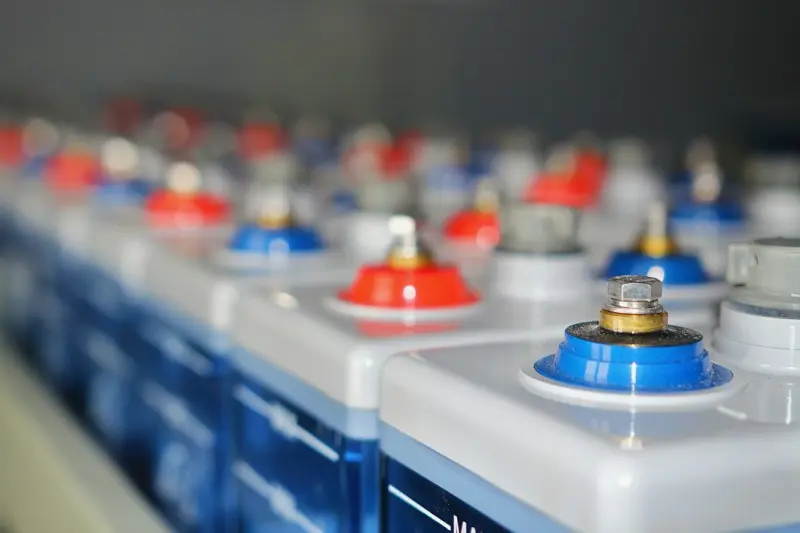
From the Garage to the Courtroom: The Emerging Legal Terrain of EV Battery Recycling and Second‑Life Use
When I first stepped into the automotive world as a junior associate, the smell of gasoline and the roar of a V8 engine were almost sacred. Fast‑forward a decade, and the buzz in my office is less about exhaust fumes and more about lithium‑ion cells, circular economies, and the thin line that separates innovation from liability. The electric vehicle (EV) revolution has accelerated faster than any of us anticipated, and with that acceleration comes a fresh set of legal challenges that are reshaping automotive law as we know it.
In this piece, I’ll walk you through the three pillars that currently define the legal landscape of EV battery recycling and second‑life applications: regulatory compliance, contractual architecture, and liability management. Along the way, I’ll sprinkle in practical tips for manufacturers, recyclers, fleet operators, and even the savvy lawyer looking to future‑proof their practice.
1. Regulatory Compliance – The New Battery Code
Governments worldwide have begun to treat EV batteries not just as components but as regulated waste streams. The European Union’s Battery Directive has been updated to include stringent collection targets, recycling efficiency benchmarks, and mandatory reporting. In the United States, the Resource Conservation and Recovery Act (RCRA) is being interpreted to cover spent EV batteries under the hazardous waste category, while individual states such as California have introduced their own battery stewardship programs.
- Collection Obligations: Original equipment manufacturers (OEMs) are now often the “producer” under extended producer responsibility (EPR) schemes. Failure to meet collection quotas can result in hefty fines and, in extreme cases, the suspension of vehicle sales.
- Recycling Targets: The EU mandates a minimum of 70% material recovery for lithium, cobalt, and nickel. This forces recyclers to invest in advanced hydrometallurgical processes, which in turn raises questions about intellectual property (IP) rights to proprietary extraction methods.
- Reporting Requirements: Real‑time tracking of battery lifecycles is becoming a legal necessity. Companies must maintain digital ledgers that document each battery’s origin, usage history, and end‑of‑life disposition.
For legal counsel, the key is to stay ahead of the regulatory curve. Drafting compliance matrices, conducting gap analyses, and advising on cross‑border harmonization are now core services for automotive law firms.
2. Contractual Architecture – Writing the Rules for Second‑Life Use
The notion of a “second‑life” battery—where a used EV battery is repurposed for stationary storage, grid balancing, or even residential backup power—is no longer a futuristic concept. It’s a booming market, and the contracts governing these transactions are where the law gets truly interesting.
Ownership vs. Leasing Models
Some OEMs retain ownership of the battery pack throughout its life, leasing it to vehicle owners and later to energy firms. Others sell the battery outright, transferring title at the point of vehicle purchase. Each model carries distinct risk allocations:
- Lease‑to‑Own: The lessor maintains control over the battery’s end‑of‑life disposition, allowing for better compliance management but also creating a long‑term service obligation.
- Full Sale: The buyer assumes responsibility for recycling, which can be advantageous for OEMs looking to off‑load compliance costs but may expose the buyer to unforeseen environmental liabilities.
Drafting these agreements requires careful language around performance warranties (e.g., capacity retention thresholds) and degradation clauses that dictate when a battery is deemed “second‑life ready.”
Data Rights and Transparency
Second‑life contracts often hinge on data sharing. Battery health data, charge‑discharge cycles, and thermal history are essential for assessing suitability for stationary storage. Legal teams must negotiate data access provisions that balance proprietary concerns with regulatory transparency. Here’s a practical tip: embed a data escrow clause that automatically transfers data to the new operator upon battery handoff, ensuring continuity and compliance.
Third‑Party Liability Clauses
When a repurposed battery powers a commercial facility, who bears the risk if it fails catastrophically? The answer lies in meticulous indemnity and insurance language. Many contracts now require the second‑life operator to procure a specialized battery liability policy, covering fire, explosion, and environmental contamination. Lawyers should also consider “joint and several” liability provisions to protect all parties in the supply chain.
3. Liability Management – When Batteries Go Bad
Battery failures can be spectacular and costly. Remember the high‑profile incidents where EVs caught fire after a crash? Those events sparked a wave of litigation that highlighted the need for robust liability frameworks.
Liability in the context of recycled batteries can be dissected into three layers:
- Product Liability: Traditional design‑defect and manufacturing‑defect theories apply. However, the unique chemistry of lithium‑ion cells introduces new causation theories, such as “thermal runaway due to inadequate cooling” that courts are still learning to evaluate.
- Environmental Liability: Improper disposal or recycling can trigger cleanup obligations under statutes like the Comprehensive Environmental Response, Compensation, and Liability Act (CERCLA). Even if a third‑party recycler mishandles the material, the original OEM could be deemed a “potentially responsible party.”
- Contractual Liability: As discussed above, indemnity clauses, warranties, and insurance requirements are the contract‑based safety nets that can shield parties from the fallout of a battery mishap.
One emerging legal tool is the “Battery Failure Disclosure”—a pre‑emptive notice that manufacturers can provide to downstream users, outlining known failure modes, recommended mitigations, and emergency response protocols. Courts are beginning to view such disclosures as evidence of due diligence, potentially reducing punitive damages.
Bridging the Gap: How Digital Evidence Plays Into Battery Litigation
In many EV battery disputes, the crux of the matter is whether the battery performed within the contractual specifications. This is where digital evidence becomes a game‑changer. Black‑box data, telemetry logs, and IoT sensors can provide a timestamped narrative of a battery’s behavior leading up to an incident.
Legal teams must be prepared to:
- Secure data preservation orders early, ensuring that manufacturers and recyclers cannot inadvertently delete logs.
- Engage forensic experts who can interpret complex charge‑cycle data and translate it into understandable testimony.
- Navigate privacy statutes that may limit the admissibility of certain data points, especially if the battery is linked to a vehicle’s location services.
The intersection of automotive law, data privacy, and digital forensics is still nascent, but the stakes are high. A well‑crafted evidentiary strategy can mean the difference between a $10,000 settlement and a multi‑million‑dollar verdict.
Practical Checklist for Stakeholders
Whether you’re a manufacturer, a recycler, a fleet operator, or an attorney, the following checklist can help you stay compliant and mitigate risk:
- Map the Regulatory Landscape – Identify all applicable national, state, and local regulations regarding battery collection, recycling, and hazardous waste handling.
- Define Ownership Structures Early – Decide whether you’ll lease, sell, or retain ownership of battery packs, and reflect that decision in clear contractual language.
- Implement Robust Data Capture – Deploy telemetry that records key health metrics and ensure the data is stored in a tamper‑evident format.
- Negotiate Tailored Insurance – Secure policies that specifically address battery‑related perils, including fire, explosion, and environmental cleanup.
- Draft Comprehensive Indemnity Clauses – Allocate risk in a way that reflects each party’s control over the battery’s lifecycle.
- Prepare a Battery Failure Disclosure – Proactively share known risks and mitigation strategies with downstream users.
- Plan for Second‑Life Transitions – Include provisions for data escrow, performance testing, and certification before a battery moves from automotive to stationary use.
- Stay Informed on Emerging Case Law – Monitor litigation trends, especially those involving digital evidence and product liability, to adapt your risk management strategies.
Looking Ahead – The Future of Automotive Law in a Circular Economy
As the EV market matures, we’ll likely see three major developments that will further shape automotive law:
- Standardization of Battery Modules – Industry consortia are pushing for interchangeable battery packs, which could simplify recycling but also raise antitrust questions.
- Regulatory Sandboxes for Autonomous Battery Management – Some jurisdictions are creating test zones where AI‑driven battery optimization can be trialed without full regulatory compliance, raising novel liability concerns.
- International Harmonization of Recycling Standards – Global trade in second‑life batteries will demand a common set of rules, potentially leading to a new international treaty on battery waste.
For practitioners, the takeaway is clear: the convergence of technology, environmental policy, and traditional product liability is forging a new frontier in automotive law. Embracing this complexity—not shying away from it—will position you as a trusted advisor in the EV era.
So, the next time you hear the gentle hum of an electric motor, remember that beneath that silence lies a web of legal obligations, data streams, and contractual nuances waiting to be navigated. And as someone who’s spent years translating the roar of engines into the language of law, I can assure you that the ride is only getting more exciting.

I am Madden Persons, a content writer and digital influencer dedicated to crafting impactful stories and building authentic online connections. With a strategic approach to content creation, I develop engaging articles, digital campaigns, and social media narratives that help brands elevate their online presence and connect meaningfully with their target audiences.
Passionate about modern digital trends and audience engagement, I specialize in translating complex ideas into compelling content that sparks conversation, drives results, and strengthens brand identity.
Related Posts

Electric Vehicle Battery Leasing: Unpacking the Legal Quagmire
Battery leasing reshapes EV ownership, raising fresh legal challenges around contracts, liability, d... Read More

Navigating the Fast‑Lane of Automotive Law in 2026: Tech, Liability, and Consumer Rights
In 2026, automotive law is being reshaped by AI, autonomous vehicles, and climate‑driven insurance... Read More
Vehicle Subscription Services: Legal Risks & Rewards
Vehicle subscription services blend leasing, financing, and rentals into a single monthly fee, resha... Read More
Top Posts

How AI is Redefining the Practice of Law
Artificial intelligence is turning legal work upside down, from research to courtroom tactics. Discover the opportunities, ethical puzzles, and the path forward...Read More
Beyond the Badge: How Biometric Surveillance is Redefining Criminal Law
Biometric surveillance—from facial recognition cameras to emotion‑detecting wearables—is rapidly altering criminal law. This post examines the legal chall...Read More

Algorithmic Sentencing: Data‑Driven Justice Shift
The article delves into the rise of algorithmic sentencing, highlighting hidden biases, transparency challenges, and ethical frameworks, while offering practica...Read More

When Digital Worlds Collide: Personal Injury Law in the Age of VR, Smart Buildings, and Autonomous Devices
A deep dive into the emerging personal injury challenges posed by virtual reality, smart infrastructure, and autonomous devices, offering practical strategies f...Read More
0 Comments
Post Comment
You will need to Login or Register to comment on this post!