

When I first stepped into a courtroom as a junior associate, the most common personal injury case I saw involved a slip‑and‑fall on a wet floor. Fast forward two decades, and the landscape looks nothing like that. From autonomous delivery bots to immersive virtual reality (VR) gyms, the ways people get hurt—and the legal frameworks that try to make sense of those hurts—are evolving faster than any statute book can keep up.
Why “New‑Age” Injuries Need a New Legal Lens
Traditional personal injury law rests on three pillars: duty, breach, and causation. Those concepts are clear when a shopper slips on a supermarket aisle. But what happens when a user is virtually assaulted by a glitch in a VR combat game, or when a delivery rider is injured because an autonomous drone drops a package on a sidewalk?
These scenarios stretch the old definitions of “premises,” “equipment,” and even “reasonable care.” Courts are now forced to ask:
- Who owes a duty of care in a mixed‑reality environment—software developers, hardware manufacturers, or the venue hosting the experience?
- What constitutes a breach when the injury stems from an algorithmic decision rather than a human mistake?
- How do we trace causation through layers of code, sensors, and cloud‑based analytics?
My experience tells me the answers aren’t just legal—they’re technological, ethical, and often, deeply human.
The Rise of “Digital‑Physical” Injuries
Consider the booming market of subscription‑based fitness platforms. A member signs up for an at‑home workout program that pairs a smart treadmill with a VR headset. The user follows a high‑intensity routine, but a latency lag between the visual cue and the treadmill’s speed adjustment leads to a fall and a broken wrist.
Who is liable?
Traditional product liability would point to the treadmill manufacturer. Yet, the software that synchronizes the VR environment with the treadmill’s motor speed plays an equally critical role. In practice, plaintiffs often face a fragmented defense: the hardware maker says “the software is third‑party,” while the software developer blames “the hardware’s sensors.” The result is a legal quagmire that can leave injured parties without clear recourse.
Another frontier is the gig economy’s “micro‑mobility” services—think dockless scooters, e‑bikes, and even delivery robots. While urban mobility liability has been dissected in the context of e‑scooters, the same principles apply to autonomous delivery bots that zip across sidewalks. When a robot collides with a pedestrian, is the liability rooted in the robot’s AI, the company’s maintenance schedule, or the municipal regulations governing sidewalk usage?
Virtual Reality: A New Battlefield for Injury Law
VR isn’t just for gaming anymore. Education, therapy, and corporate training have embraced immersive environments. Yet, the physical world never truly disappears. Users can trip over cords, strain muscles, or experience motion‑induced nausea that leads to falls.
Legal scholars are beginning to treat VR injuries as “augmented personal injury” cases. The argument hinges on the concept of “foreseeability.” If a developer knows that certain motion cues can trigger vestibular disorientation, they have a duty to warn users and design safety mechanisms—like automatic pauses when head tracking is lost.
In practice, though, many VR terms of service contain broad waivers that attempt to sidestep liability. Courts are grappling with the enforceability of those waivers, especially when the user’s injury results from a software defect that the developer could have prevented.
Data‑Driven Injuries: When Sensors Fail
Smart buildings are equipped with IoT sensors that detect everything from humidity to foot traffic. They promise to keep occupants safe by adjusting lighting, temperature, and even floor grip. But when sensors malfunction—say, a humidity sensor fails to trigger anti‑slip flooring in a public atrium—the result can be a cascade of injuries.
Here, the “duty of care” extends beyond the property owner to the tech vendors who install and maintain these systems. A recent wave of litigation is seeing plaintiffs sue both the building management and the sensor manufacturer, alleging a “failure to perform reasonable testing” and “inadequate updates.” The key legal question: who is the “proximate cause” of the injury when multiple parties contribute to the system’s failure?
Insurance Gaps and the Need for “Parametric” Solutions
Traditional liability policies often exclude coverage for injuries arising from software glitches or AI‑driven decisions. That leaves many victims without a financial safety net. Enter parametric insurance—a model that pays out based on predefined triggers rather than the outcome of a claims investigation.
While most discussions of parametric coverage focus on climate risk, the concept is gaining traction for “digital‑physical” injuries. Imagine a policy that automatically disburses funds when a VR platform records a latency spike above a certain threshold during a live session. Such a product could bridge the gap between the slow, adversarial litigation process and the immediate needs of injured parties.
Strategic Steps for Plaintiffs and Practitioners
Whether you’re an injured party, a personal injury attorney, or a corporate counsel, here are three actionable strategies to navigate this complex terrain:
- Map the Technology Stack. Identify every component—hardware, firmware, cloud services, APIs—that contributed to the incident. This creates a “chain of custody” for liability.
- Secure Expert Witnesses Early. Engineers, data scientists, and ergonomics specialists can translate technical failures into legal causation. Their testimony often makes the difference between a dismissed case and a settlement.
- Leverage Emerging Insurance Products. Explore parametric or cyber‑physical coverage options that can provide rapid compensation while the legal process unfolds.
What Courts Are Doing Right Now
Judicial opinions are beginning to reflect the reality of these new injury vectors. A recent case in a federal district court held that a software developer could be liable for a “failure to implement reasonable safeguards” when a VR platform’s latency caused a user’s fall. The decision emphasized that “digital interfaces are not merely passive conduits; they actively shape user behavior and thus bear a duty of care.”
Similarly, state courts are revisiting “assumption of risk” defenses in the context of autonomous delivery bots. Where a plaintiff once might have been barred for stepping onto a sidewalk to retrieve a package, courts now ask whether the company adequately warned users about the presence of autonomous devices and whether the device’s navigation system met industry standards.
Future Trends: Where Personal Injury Law Is Headed
Looking ahead, I see three trends reshaping the field:
- Standardization of Safety Protocols for Emerging Tech. Industry groups will likely develop consensus standards—much like the ISO standards for medical devices—that could serve as benchmarks for “reasonable care.”
- Integration of Real‑Time Monitoring in Claims. Insurance carriers are piloting platforms that ingest sensor data from smart devices to assess injury severity instantly, reducing the lag between incident and compensation.
- Cross‑Disciplinary Legal Teams. Law firms will increasingly hire technologists as part of their injury practice groups to bridge the gap between code and case law.
These developments won’t eliminate the challenges, but they’ll provide clearer pathways for victims seeking justice.
Takeaway: Embrace the Complexity
Personal injury law has never been more intricate, but that complexity also offers opportunities. By understanding the interplay between technology and traditional legal doctrines, practitioners can craft more compelling arguments, and injured parties can pursue remedies that reflect today’s realities.
If you’re navigating a claim involving any of these “new‑age” injuries, remember that the law is evolving—just like the technology that caused the harm. Stay informed, seek out experts, and don’t settle for the old playbook.
For a deeper dive into how emerging tech is reshaping liability, check out the discussion on systemic solutions to impaired driving. While the focus there is on public safety, the underlying principles of duty, breach, and causation apply across the board—from a drunk driver on the highway to a glitchy VR treadmill in a living room.

Related Posts

E‑Scooter Crashes: Unraveling Liability in the Urban Jungle
E‑scooter accidents are reshaping personal injury law. This article breaks down manufacturer, rent... Read More

Micro‑Mobility Mayhem: Navigating Personal Injury Law on Two Wheels
A deep dive into how electric scooters and e‑bikes are reshaping personal injury law, covering lia... Read More
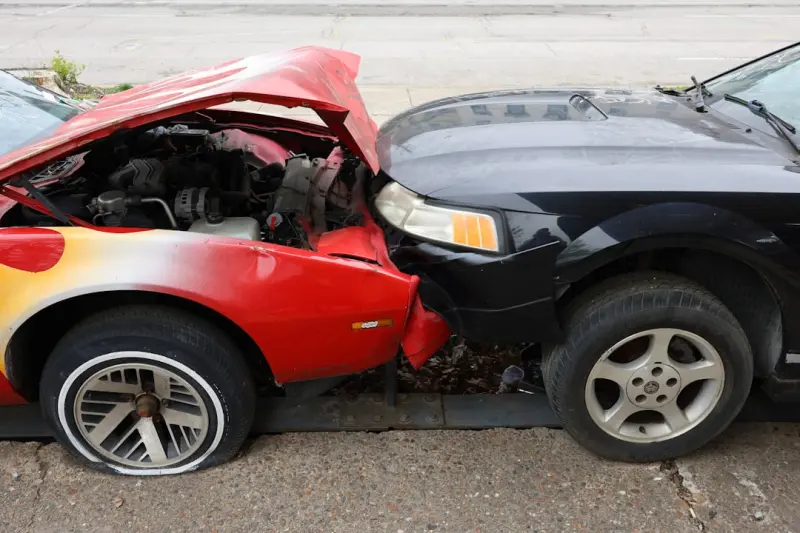
Self‑Driving Car Accident Claims: Protecting Your Rights After an Autonomous Crash
A comprehensive guide on handling personal injury cases involving self‑driving car crashes, coveri... Read More
Top Posts

Divorce in the Digital Age: How to Split Online Assets and Protect Your Privacy
A practical guide to navigating crypto, NFTs, social media, and cloud accounts during divorce, with steps to protect privacy and ensure fair division....Read More

When Your New Car Becomes a Lemon: A Practical Guide to Automotive Law
A step‑by‑step guide to navigating lemon laws, from documentation to avoiding arbitration traps, ensuring you get the compensation you deserve....Read More
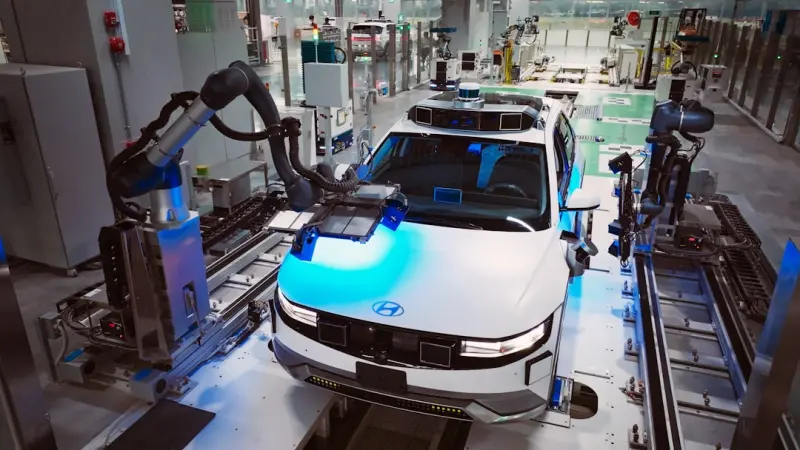
Who Owns Your Autonomous Car’s Data? Legal Implications for the Future of Mobility
Autonomous vehicles generate massive, sensitive data streams, raising complex questions about ownership, privacy, and liability. This article delves into who tr...Read More

Adaptive Reuse of Vacant Retail Spaces: A Legal Playbook for the Post‑Pandemic Era
A comprehensive guide for developers and landlords on navigating zoning, historic tax credits, financing, and community engagement to turn vacant retail propert...Read More
0 Comments
Post Comment
You will need to Login or Register to comment on this post!